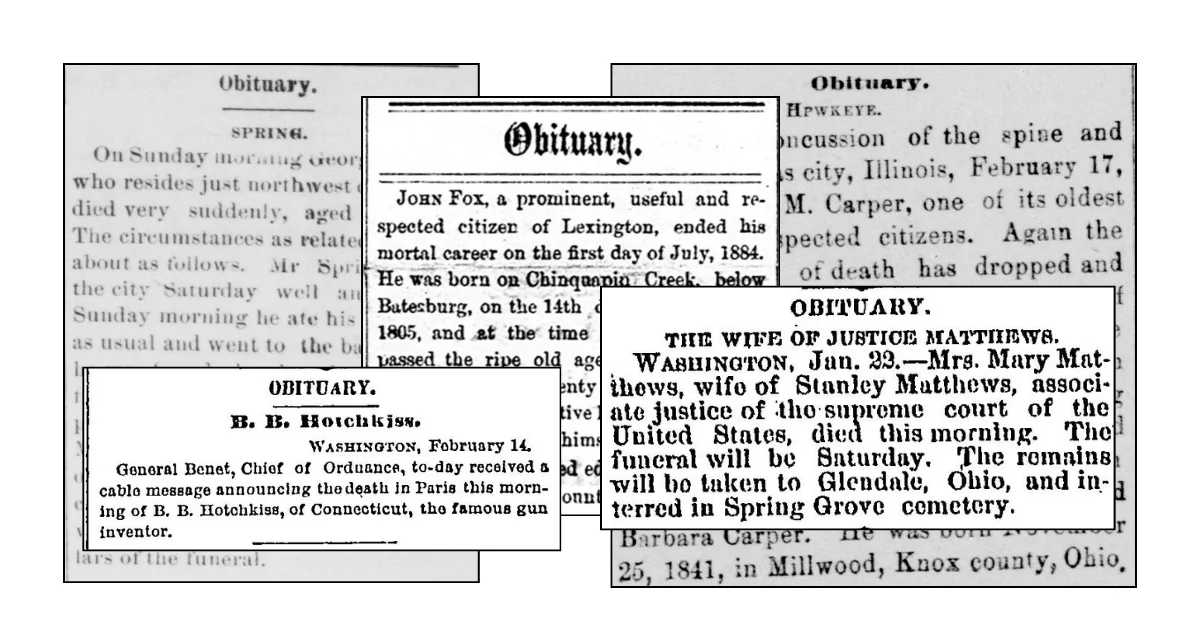
Can’t Find an Obituary on Newspapers.com? 5 Places to Look Next
Can’t find an obituary on Newspapers.com? Search NewspaperArchive, library databases, Chronicling America, GenealogyBank, and local newspaper archives next.
If you can’t find an obituary on Newspapers.com, the obituary may still exist in another archive. Search NewspaperArchive next, especially for small-town and rural newspapers, then check public library newspaper databases, Chronicling America, GenealogyBank, and state or local digital newspaper collections. Use name variations, search nearby towns and counties, widen the date range, and look for death notices, funeral notices, memorials, estate notices, and other related newspaper items.
You searched Newspapers.com for an obituary and came up empty.
That does not always mean the obituary was never published. It may mean the newspaper title, issue, date range, or OCR result you need is somewhere else.
Newspaper archives are not all the same. Each one has different newspaper titles, date ranges, indexing, and access options. If one site does not have the obituary you need, the next step is to search smarter and check other collections that may cover the town, county, or time period better.
Quick Answer: Where Should You Search Next?
If you can’t find an obituary on Newspapers.com, search NewspaperArchive next, especially if the person lived in a small town, rural area, or community covered by a local weekly paper. NewspaperArchive includes 280–290+ million pages, 108+ million obituaries, 17,000+ newspaper titles, coverage from 1607 to the present, all 50 U.S. states, and content from 48 countries. It is especially strong for small-town U.S. papers and rural ancestors.
After NewspaperArchive, check your public library’s newspaper databases, Chronicling America, GenealogyBank, and state or local digital newspaper collections. No single archive has every obituary, so the best results often come from trying more than one source.
In This Article
Why Newspapers.com might not have the obituary
Why NewspaperArchive is a strong next place to search
How library databases can help
When to use Chronicling America
When GenealogyBank may be useful
How to find state and local newspaper collections
Better search strategies when an obituary does not appear
What to do if the obituary still does not show up
Why Newspapers.com Might Not Have the Obituary
Newspapers.com is a large newspaper archive, but no archive has digitized every newspaper ever printed. A missing obituary usually has more to do with coverage than with whether the obituary existed.
Here are common reasons your search may come up empty:
The newspaper is not in the collection. The obituary may have appeared in a small-town paper, county weekly, church paper, ethnic newspaper, or neighborhood publication not included in that archive.
The right years are missing. Even when a newspaper title is included, the specific year or issue you need may not be available.
The obituary ran in a different town. Families sometimes placed obituaries in the town where someone died, the town where they had lived earlier, the town where they were buried, or the town where relatives still lived.
The name was misspelled. Historical newspapers often used alternate spellings, initials, nicknames, maiden names, and married names.
OCR missed the name. Optical character recognition makes old newspapers searchable, but faded ink, tight columns, broken type, and damaged pages can cause names to be misread.
It may not have been labeled as an obituary. Some death-related notices appeared as funeral notices, memorials, cards of thanks, estate notices, accident reports, or short local items.
The good news is that there are several strong places to look next.
1. Search NewspaperArchive for Small-Town and Local Obituaries
If Newspapers.com does not have the obituary you need, NewspaperArchive is one of the best places to search next, especially for small-town and rural newspaper research.
Many family historians focus on the largest archive first, but obituaries often appeared in smaller local newspapers. These papers may have published the details that larger city papers ignored.
NewspaperArchive includes:
280–290+ million newspaper pages
108+ million obituaries
17,000+ newspaper titles
Coverage from 1607 to the present
Newspapers from all 50 U.S. states
Content from 48 countries
More than 100 African American newspaper titles
Flat pricing with no Basic vs. Publisher Extra-style newspaper tier
Storied access included with subscriptions, including census, vital, immigration, military records, and a family tree builder
NewspaperArchive’s biggest strength for obituary research is local coverage. If your ancestor lived in a county seat, farming community, small city, rural township, or close-knit neighborhood, the obituary may have appeared in a local newspaper that is not available in the archive you searched first.
Why Small-Town Newspapers Matter
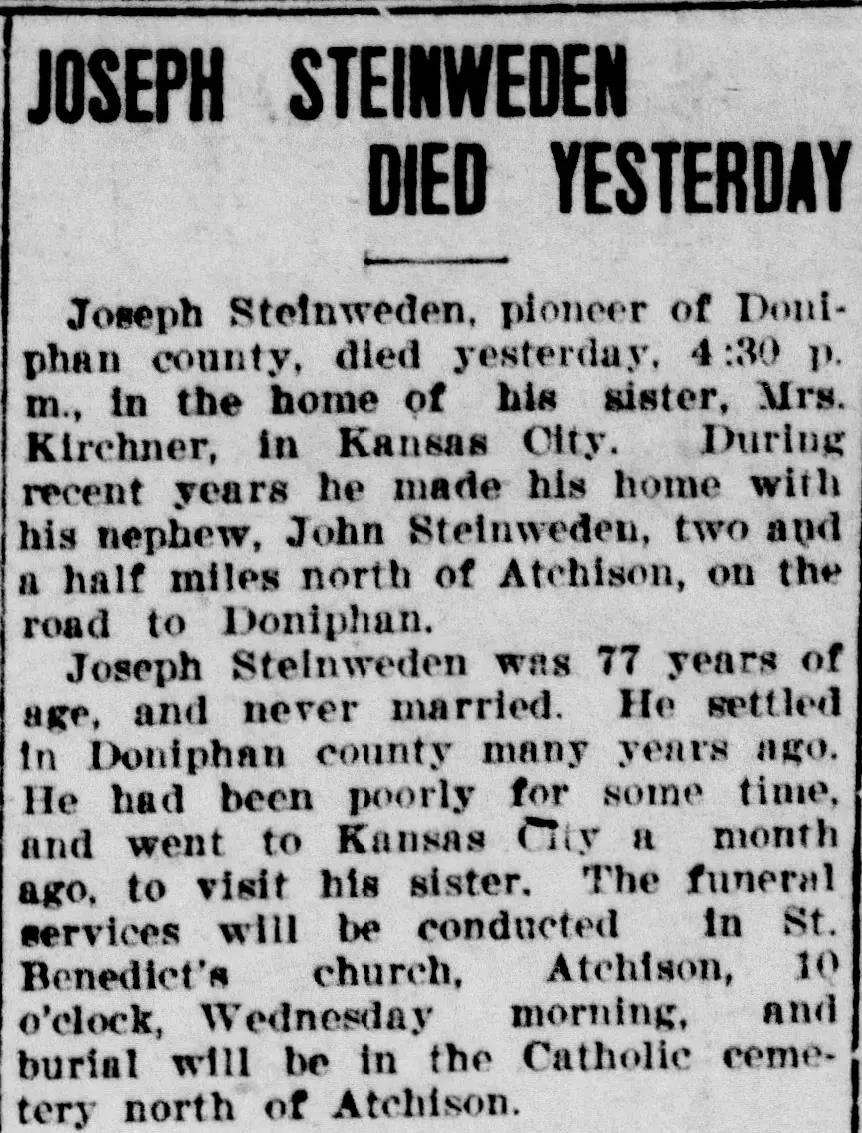
Small-town newspapers often published more than formal obituaries. They may include:
Funeral notices
Church announcements
Burial details
Illness updates
Social column mentions
Visits from relatives
Cards of thanks
Memorial poems
Estate notices
Probate notices
Accident reports
Anniversary or birthday mentions
These items can help you confirm family relationships, discover married names, identify churches or cemeteries, and find new places to search.
A short obituary might give you a death date. A local newspaper page might give you the story around it.
2. Check Your Public Library’s Newspaper Databases
Your public library may provide free access to paid newspaper and genealogy databases. This is one of the easiest steps to overlook.
Many libraries subscribe to newspaper resources through their research database pages. Depending on the library, you may find access to tools such as:
NewspaperArchive Access
Newspapers.com Library Edition
GenealogyBank or NewsBank collections
ProQuest Historical Newspapers
Ancestry Library Edition
Local newspaper archives
Access varies by library. Some databases can be used from home with a library card. Others require you to be inside the library building.
To check, visit your library’s website and look for sections called:
Research Databases
Genealogy
Local History
Newspapers
Digital Collections
History Resources
If your local library does not have what you need, check county libraries, state libraries, university libraries, and local history rooms in the area where the person lived or died.
This step is especially helpful if you know the newspaper title but cannot access it through a personal subscription.
3. Search Chronicling America for Free Historical Newspapers
Chronicling America is a free newspaper archive from the Library of Congress. It is one of the best free places to search for older U.S. newspaper content.
Chronicling America includes more than 20 million pages from over 4,000 newspaper titles, with coverage especially useful for pre-1963 U.S. research. It does not require a paid subscription.
Chronicling America is a good next step if:
The person died before 1963
You are searching late 1800s or early 1900s newspapers
You want a free resource before using another paid archive
You are researching a state with strong Chronicling America coverage
You want to browse issues by state, title, or date
It does have limits. Coverage varies by state and newspaper title, and many later 20th-century newspapers are not included because of copyright restrictions. But if your search is in the right time period, it is absolutely worth checking.
4. Try GenealogyBank for Obituary Indexes and Death Notices
GenealogyBank is another paid resource to check when an obituary does not appear in your first search. It is especially focused on obituaries and death records.
GenealogyBank includes more than 260 million obituaries and death records, along with 16,000+ newspaper titles from 1690 to the present. It also includes records such as the Social Security Death Index, government publications, and census records.
GenealogyBank may be useful if:
You are specifically searching for an obituary or death notice
You want to search a dedicated obituary collection
The death occurred in the United States
You are searching late 1700s through modern records
You want to cross-check names, dates, and death information
The important thing to remember is that GenealogyBank is not a replacement for full-page newspaper searching. It may help you find an obituary, but a full newspaper archive may reveal surrounding notices, related articles, funeral details, or community mentions.
5. Look for State and Local Digital Newspaper Collections
Some obituaries are not in major commercial newspaper archives at all. They may be in a state library, university collection, local history archive, county library, or historical society database.
State and local collections are especially helpful for:
Small-town newspapers
County weekly papers
Ethnic newspapers
Religious newspapers
Community papers
Local obituary indexes
Newspaper clipping files
Digitized microfilm collections
Several states have strong free newspaper collections, including Ohio Memory, NYS Historic Newspapers, the California Digital Newspaper Collection, and Georgia Historic Newspapers. The Purdue University Library guide also maintains a state-by-state list of digital U.S. newspaper collections.
To find these collections, search for:
“[state] digital newspaper archive”
“[state] historical newspapers”
“[county] newspaper archive”
“[town name] newspaper archive”
“[library name] local history newspapers”
“[newspaper title] archive”
These collections may take more time to search, but they can be incredibly useful when you are dealing with a local paper that was never added to a major paid database.
Search for More Than the Word “Obituary”
One of the biggest mistakes researchers make is searching only for the word obituary.
Older newspapers did not always use that label. Some death-related items were short, informal, or placed in local news columns.
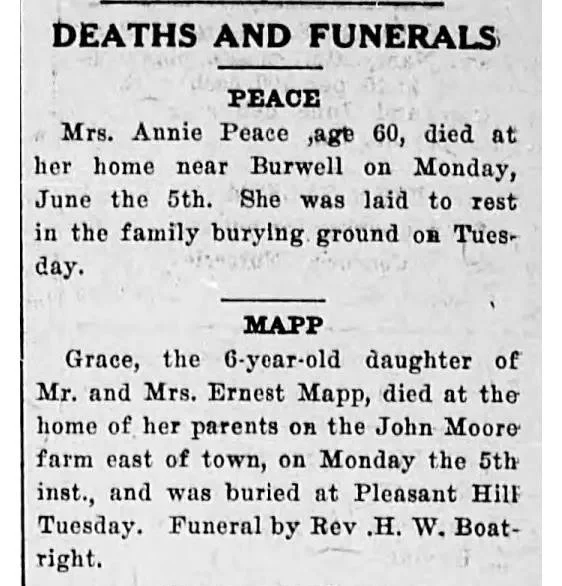
Try searching for terms like:
died
death of
passed away
funeral
funeral services
funeral notice
death notice
in memoriam
card of thanks
burial
interment
laid to rest
after a long illness
died at his home
died at her home
estate notice
probate notice
You may also want to search for the name of the cemetery, church, funeral home, spouse, child, or sibling. Sometimes the best clue is not the deceased person’s name, but the name of someone mentioned in the notice.
For a related internal link, this is a great place to link to your post on What’s the Difference Between an Obituary, Funeral Notice, and Death Notice?
Search Smarter When the Obituary Does Not Appear
If the obituary is not showing up, adjust the search before you move on.
Try these strategies:
Search Name Variations
Newspapers often printed names in inconsistent ways. OCR can also misread letters, especially in older papers.
Search for:
Full name
First name and last name
Initials and surname
Nickname and surname
Maiden name
Married name
Alternate spellings
Common OCR mistakes
Spouse’s name
Child’s name
Parent’s name
For example, a woman might appear under her married name, her husband’s name, her maiden name, or simply as “Mrs. John Carter.”
Names can shift from one newspaper mention to the next, especially when nicknames, initials, maiden names, married names, and spelling errors are involved. For more search ideas, see our guide, The Name Game: 15 Smart Ways to Search Name Variants in Historical Newspapers.
Search the Town or County
If the name is common, narrow your search by place. If the person lived in a small community, search the town name, county name, nearby towns, and burial location.
Obituaries may appear in:
The town where the person died
The town where they lived most of their life
The town where they were born
The town where they were buried
The town where adult children lived
A nearby county newspaper
Widen the Date Range
Do not search only the exact death date. Obituaries in weekly papers may have appeared several days or even weeks later.
Try searching:
The week after death
Two weeks after death
Four weeks after death
The anniversary of death
The date of funeral services
The date of burial
Browse the Newspaper Manually
If you know the newspaper title and death date, browse the issues around that date. This helps when OCR missed the name.
Look especially at:
Local news pages
Society columns
Church notices
Funeral home ads
Legal notices
Classified sections
Community columns
“In Memoriam” sections
Sometimes the obituary is right there on the page, but the search box cannot find it.
What If You Still Can’t Find the Obituary?
If none of the archives have the obituary, there are still other places to check.
Try:
County death certificates
Funeral home records
Cemetery records
Find a Grave memorials
Church burial registers
Probate records
Estate notices
Local historical societies
County genealogical societies
Public library obituary indexes
Newspaper microfilm at a local library
Local history rooms
Family papers or scrapbooks
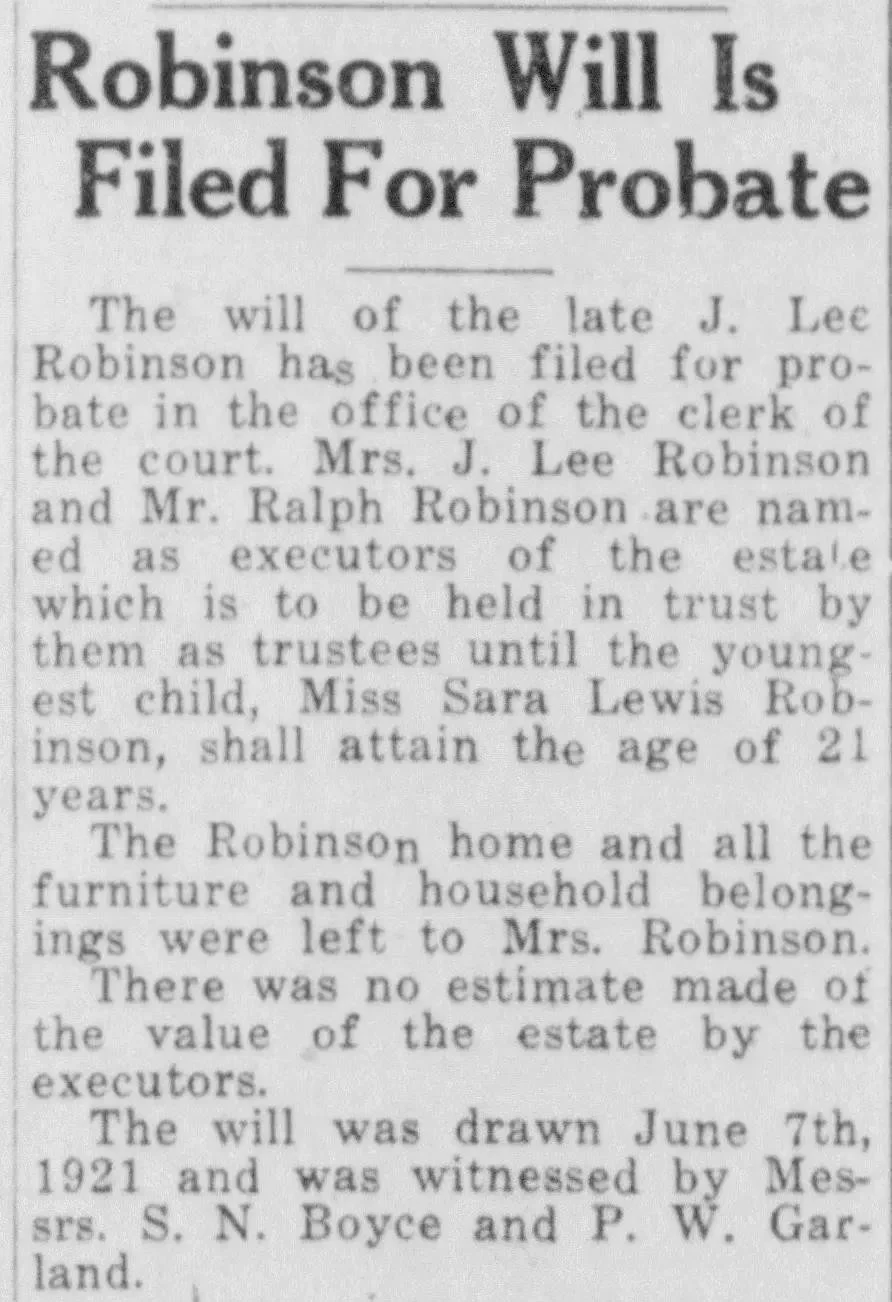
It is also possible that a formal obituary was never published. Some families placed only a death notice. Others published a funeral notice, card of thanks, or memorial poem. In some cases, the only newspaper mention may be an accident report, court notice, probate filing, or local column item.
That does not mean the search has failed. It means the record may look different than expected.
Where to Look Next: Quick Comparison
If You Need... | Try This Next |
|---|---|
Small-town or rural obituary | NewspaperArchive |
Free pre-1963 newspaper search | Chronicling America |
Library database access | Your public library |
Dedicated obituary and death record index | GenealogyBank |
Hyper-local newspaper collection | State or local digital archives |
A paper not digitized online | Local library microfilm |
Burial or cemetery clues | Cemetery records and memorial sites |
Legal details after death | Probate and estate records |
Frequently Asked Questions
Why can’t I find an obituary on Newspapers.com?
The most common reason is coverage. The newspaper title, issue, or date range you need may not be included. The obituary may also have appeared in a neighboring town, been printed under a different name, or been missed by OCR.
What is the best place to search after Newspapers.com?
NewspaperArchive is one of the best places to search next, especially for small-town newspapers, rural communities, and local family history research. Its collection includes 280–290+ million pages, 108+ million obituaries, and 17,000+ newspaper titles.
Does NewspaperArchive have obituaries?
Yes. NewspaperArchive includes 108+ million obituaries, but its value goes beyond obituary records alone. Because it is a full-page newspaper archive, you may also find funeral notices, memorials, estate notices, accident reports, and community items related to the person’s death.
What if the obituary was in a small-town newspaper?
Search NewspaperArchive, public library databases, and state or local digital newspaper collections. Small-town papers are not always included in the same archives as major city newspapers, so checking more than one source is often necessary.
What if no obituary was ever published?
Look for other records connected to the death. Try death certificates, cemetery records, funeral home records, church registers, probate files, estate notices, and local newspaper items. Sometimes the most useful clue is not a formal obituary but a short notice elsewhere in the paper.
Conclusion
If you can’t find an obituary on Newspapers.com, do not stop searching. The obituary may still exist in another archive, another town’s newspaper, a public library database, or a local digital collection.
Start with NewspaperArchive if you are searching for a small-town, rural, or local obituary. Then check library databases, Chronicling America, GenealogyBank, and state or local newspaper collections. Use name variations, widen your date range, and remember that the notice may not be labeled as an obituary at all.
The key takeaway is simple: a missing search result is not the same thing as a missing record. Sometimes the obituary is there. You just have to search in the right place.