25 Things You Can Learn About Your Ancestors from Old Newspapers
Discover 25 powerful details you can learn about your ancestors from old newspapers, from family connections to everyday stories and life events.
Old newspapers provide detailed insights into ancestors’ lives, including relationships, occupations, social activities, and personal events that are not found in traditional records. By searching historical newspapers, especially small-town publications, researchers can uncover everyday moments, confirm family connections, and build richer, more meaningful family history stories.
Quick Answer
Old newspapers reveal far more than names and dates. You can uncover relationships, occupations, personal stories, community roles, and everyday moments that bring your ancestors’ lives into focus.
If your family tree feels like a list of names and dates, newspapers are where it starts to come alive.
A single article can reveal relationships, routines, and stories you won’t find anywhere else.
In this guide, you’ll discover:
25 specific details newspapers can reveal about your ancestors
Why small-town newspapers are especially valuable
How to start finding these details in your own research
25 Things You Can Learn About Your Ancestors from Old Newspapers
Identity & Personal Details
Full Names and Variations
Middle names, initials, nicknames, and alternate spellings.Addresses and Residences
Street names, towns, and even specific properties.Age and Birth Information
Often included in announcements and obituaries.Family Relationships
Parents, siblings, spouses, and extended relatives.
Life Events & Milestones
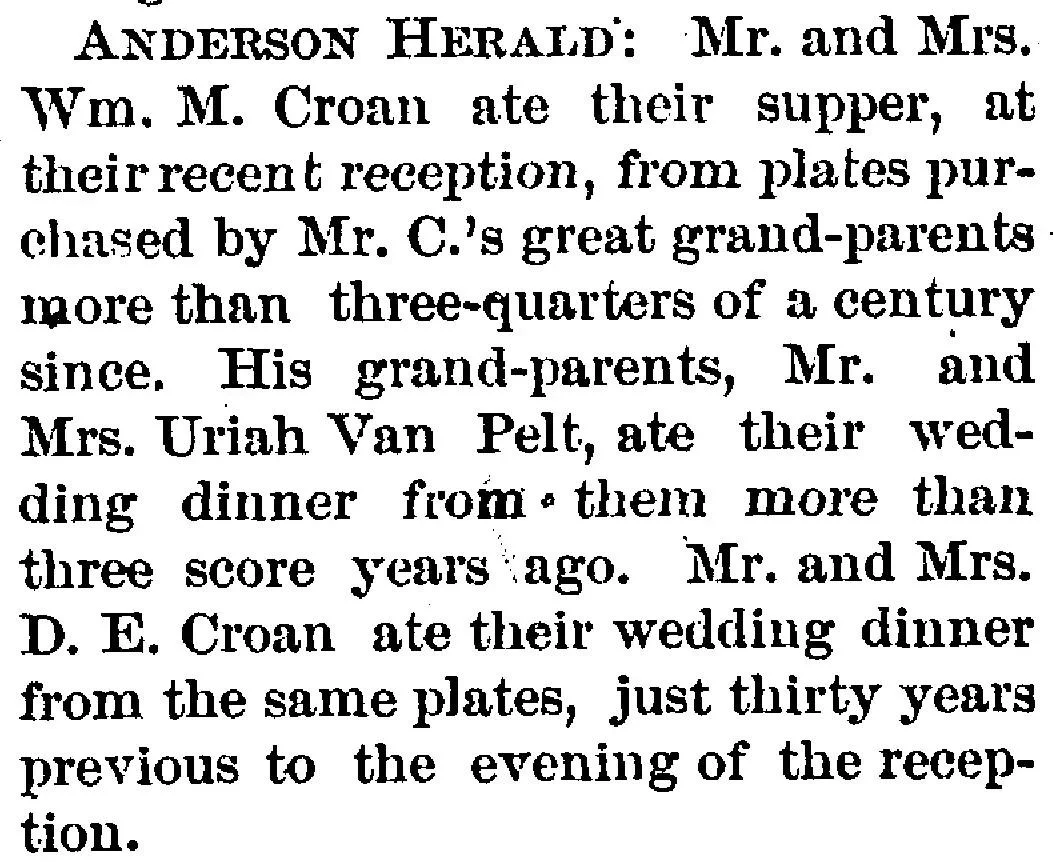
Marriage Details
Locations, attendants, and descriptions of the event.Birth Announcements
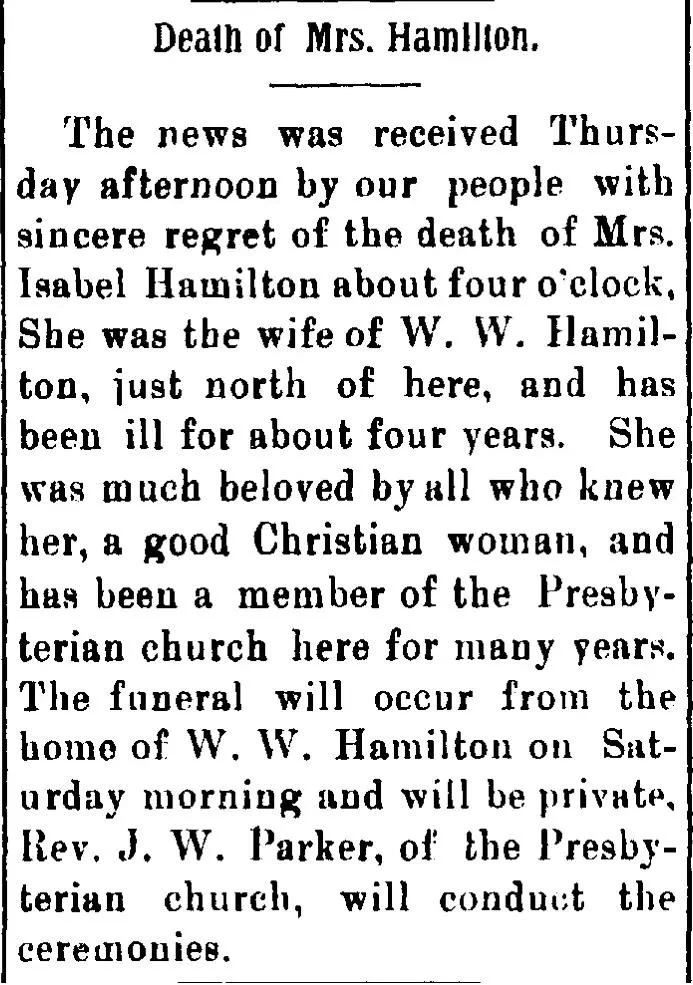
Parents’ names and community context.Obituaries and Death Notices
Rich family connections and life summaries.
For a step-by-step approach, read:
How to Find Family Obituaries in Newspapers (Step-by-Step Guide)
Divorces and Separations
Sometimes published as legal or social notices.Anniversaries and Celebrations
Milestone events that add depth to timelines.
Work, Status & Daily Life
Occupations and Careers
Job titles, promotions, and business ownership.Business Advertisements
Evidence of entrepreneurship or employment.Financial Clues
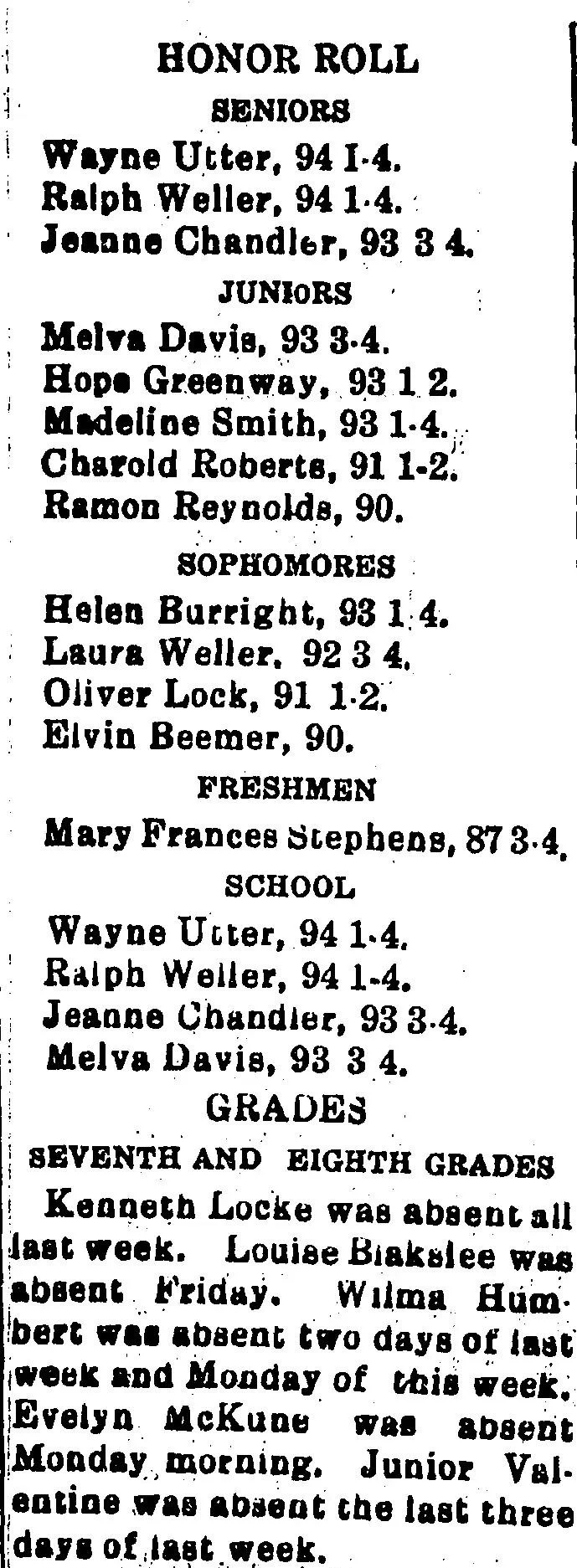
Property sales, auctions, or bankruptcy notices.Education and Achievements
Graduations, awards, and school involvement.
Social Life & Community
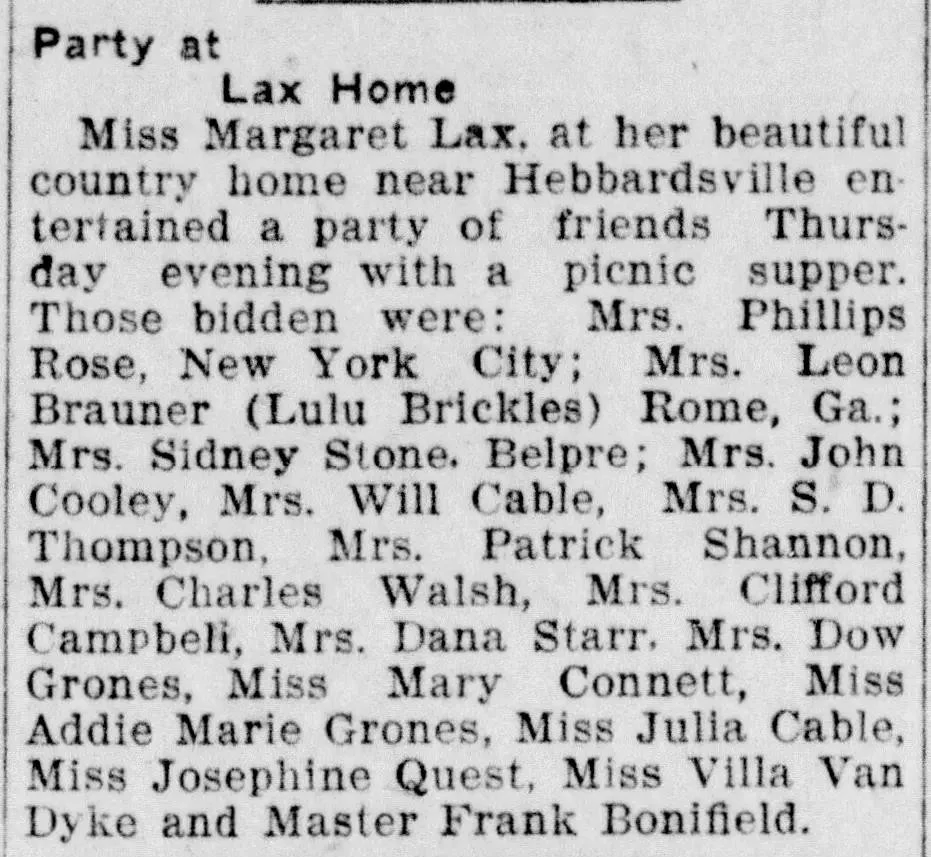
Social Activities
Visits, parties, and gatherings.Church and Civic Involvement
Clubs, committees, and local roles.Travel and Movement
Mentions of visits or relocations.Community Reputation
Repeated mentions can show influence or status.
Unexpected Discoveries
Accidents and Injuries
Everyday events that rarely appear elsewhere.Legal Matters
Court cases, disputes, and probate notices.Military Service
Draft notices and service updates.Immigration and Travel Abroad
Passenger lists and travel mentions.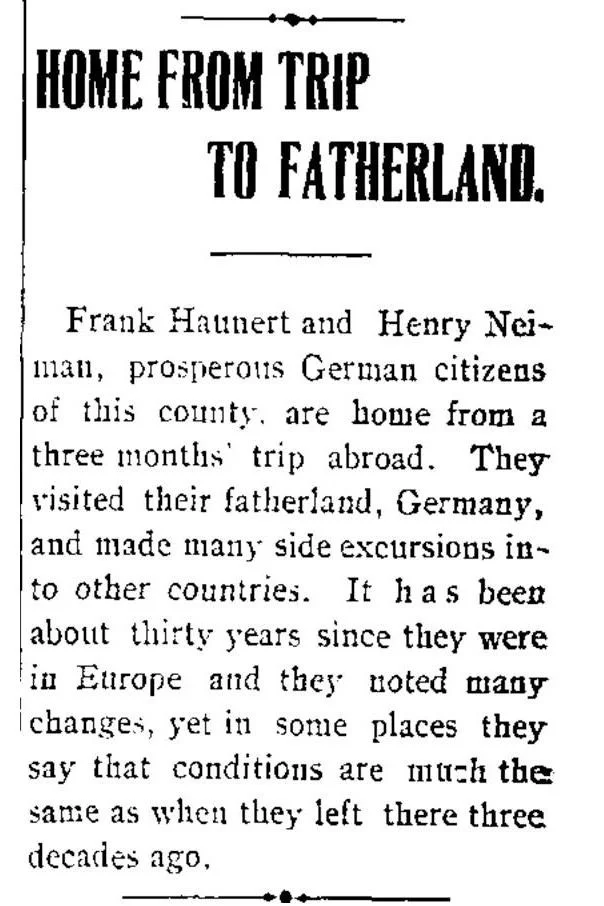
Hobbies and Interests
Sports, music, and personal pursuits.Personality Traits
Descriptions like “well-known” or “respected.”Family Conflicts or Scandals
Public disputes and desertion notices.Stories You Didn’t Know Existed
The moments that completely reshape your understanding of your family.
Every so often, you come across something that changes the way you see your family entirely. This story is one of those moments: A Family Lost in the Iroquois Theater Fire: A Story Found in Newspapers.
Why Small-Town Newspapers Matter for Family History
Big headlines tell you what happened.
Small-town newspapers tell you who it happened to.
This is where you’ll find:
Names tied to everyday events
Local updates that confirm relationships
Details that never made it into official records
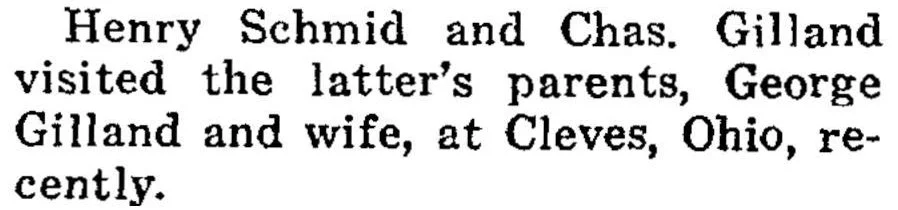
Even a short mention like:
“Henry Schmid and Chas. Gilland visited the latter's parents, George Gilland and wife, at Cleves, Ohio, recently."
can confirm relationships, locations, and travel. Key details often missing from traditional records.
With millions of pages from small-town and rural communities, NewspaperArchive helps uncover stories that larger archives often miss.
How to Find These Details in Newspaper Archives
To uncover these kinds of details, try:
Searching name variations and nicknames
Using addresses or spouse names
Looking for life events (weddings, travel, accidents)
Browsing date ranges around key life moments
Learn more here:
How to Search Newspaper Archives for Family History: Proven Strategies That Work
Start Your Search Today
The fastest way to see this in action is to try it yourself.
Search for:
A grandparent’s name
A known address
A family event
Even one result can open the door to a much larger story.
FAQs
What can newspapers tell you about your ancestors?
Newspapers can reveal relationships, occupations, social activities, life events, and personal details that go far beyond basic genealogy records.
Why are small-town newspapers important for genealogy?
They frequently mention everyday people and events, making them one of the best sources for uncovering detailed family history.
What if I can’t find my ancestor in newspapers?
Try searching for relatives, addresses, or events instead of just a name, and use spelling variations.
Are newspaper records reliable for family history research?
Yes, but they should be compared with other records to confirm accuracy.
Conclusion: Turning Records into Stories
Newspapers do something other records can’t.
They show how your ancestors lived, not just when they lived.
When you start using newspapers in your research, you move beyond collecting facts and begin uncovering stories, connections, and moments that bring your family history to life.
Start Exploring Newspaper Records
Ready to uncover your own family stories?
Start searching millions of historical newspaper pages at NewspaperArchive and see what you can find next.