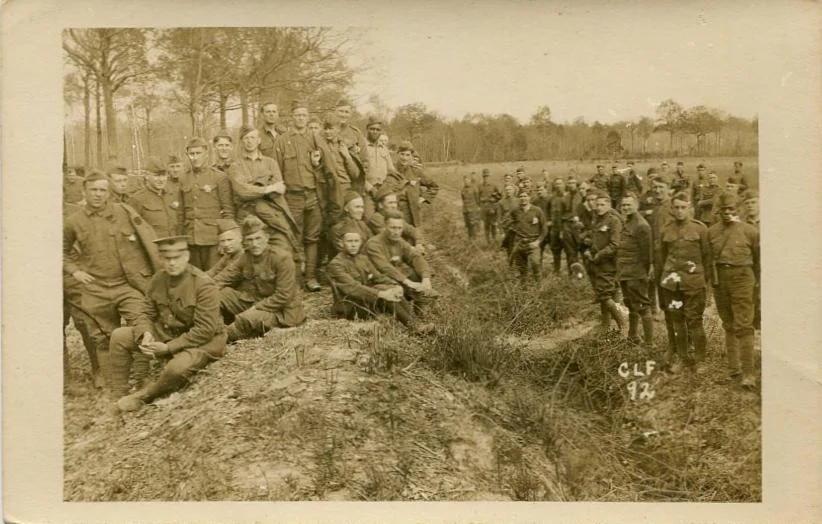
How to Find Military Service Records in Newspapers (Step-by-Step Guide)
Learn how to find military service records in newspapers. Discover enlistments, draft lists, casualty reports, and veteran stories with smart search tips.
Military service records in newspapers include enlistment announcements, draft lists, casualty reports, promotions, letters, and veteran features. By searching names alongside ranks, units, locations, and wartime keywords, researchers can uncover details often missing from official records—especially in small-town newspapers that focused on local individuals and their service.
Military service records don’t always live in one neat file, and for many families, the official trail feels incomplete. That’s where newspapers come in. They captured service as it happened, often recording details you won’t find anywhere else.
If you want to move beyond names and dates and actually understand your ancestor’s military experience, newspapers are one of the most powerful tools you can use.
Quick Answer
Newspapers reveal military service details through enlistment notices, draft lists, casualty reports, promotions, letters, and veteran features. Search by name, rank, branch, unit, and wartime keywords, especially in small-town papers, where personal details were more likely to be published.
Where to Find Military Service Records in Newspapers
Military service details are scattered across the paper, not just in one section. The key is knowing where to look.
Common places military records appear:
Front page war coverage (especially during major conflicts)
Local news columns (updates on community members serving)
Society pages (mentions of soldiers visiting home or leaving)
Classifieds and legal notices (draft-related announcements)
Weekly casualty lists
Feature stories and human-interest pieces
Obituaries and memorial articles
These mentions may seem small, but they often contain critical identifying details.
Best Keywords for Finding Military Records in Newspapers
Your search strategy matters more than anything else.
Start with targeted keyword combinations:
Full name + “enlisted”
Name + “draft board”
Name + rank (Private, Corporal, Sergeant, Lieutenant)
Name + branch (Army, Navy, Marines, Air Corps)
Name + unit or division
Name + “stationed at”
Name + “returned home”
Name + “overseas”
Add wartime context:
“World War I” / “World War II”
“Korean War”
“Vietnam”
Use event-based keywords:
“wounded”
“missing in action”
“killed in action”
“prisoner of war”
“discharged”
Pro Tip:
Search without a first name sometimes:
Example: “Smith enlisted” + location
This can uncover results where only initials were used.
Use NewspaperArchive’s advanced search to combine keywords, filter dates, and narrow locations for better results.
Types of Newspaper Clippings That Reveal Military Service
Different types of articles tell different parts of the story. The more types you find, the more complete your picture becomes.
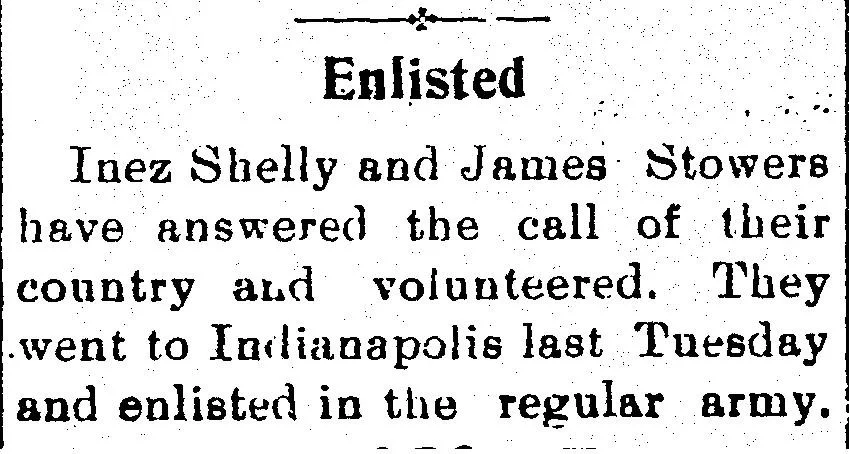
1. Enlistment Announcements
Often include age, hometown, and branch
Sometimes include quotes or family mentions
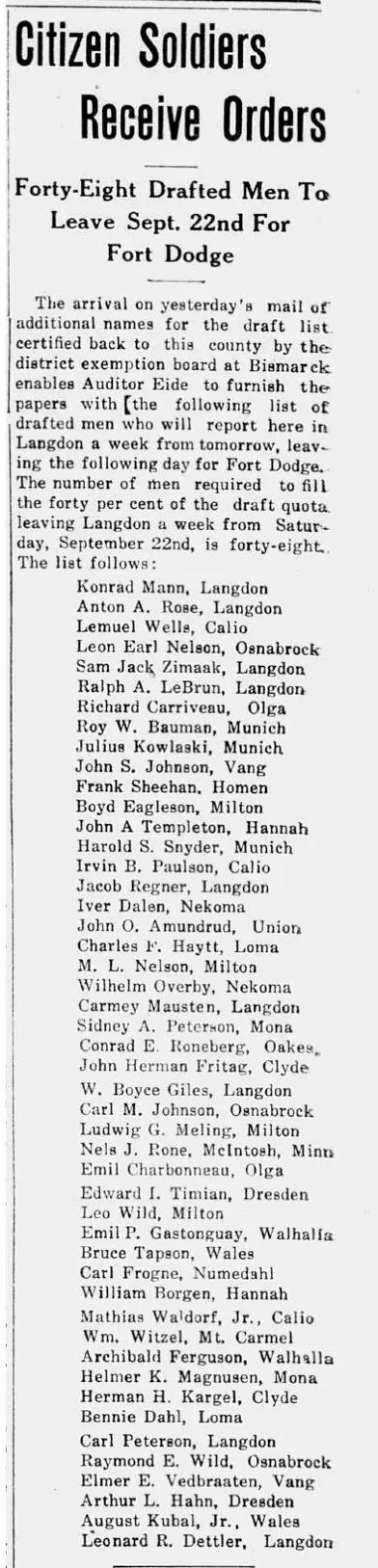
2. Draft Registration Lists
Especially common during WWI and WWII
Organized by county or town
Helpful for confirming eligibility and residence
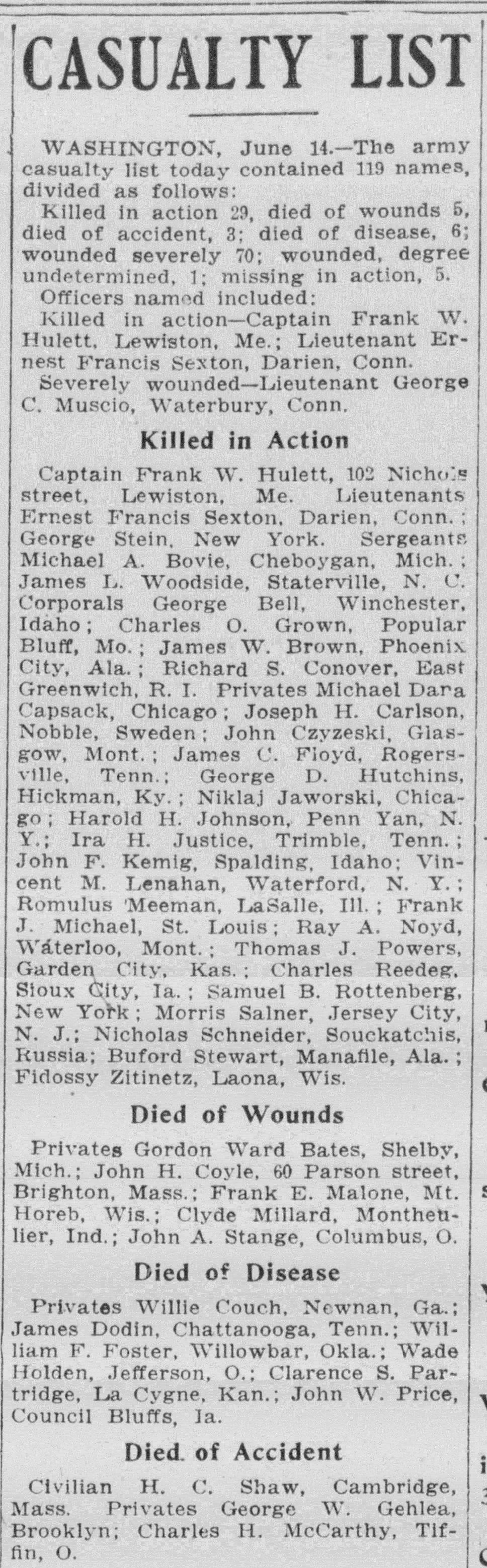
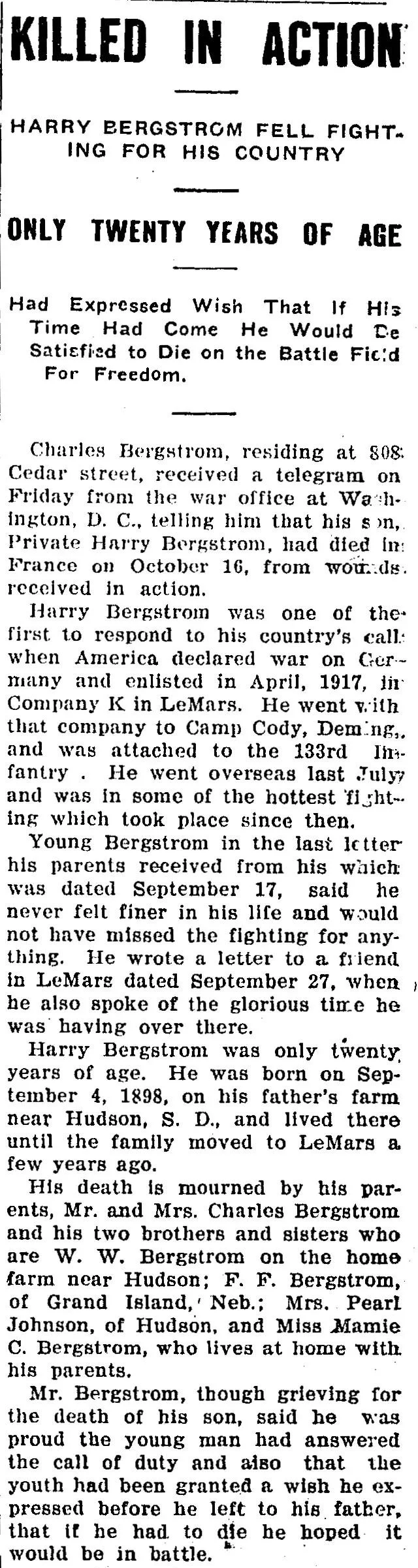
3. Casualty Reports
Published frequently during wartime
Include rank, status, and sometimes unit
May mention family members
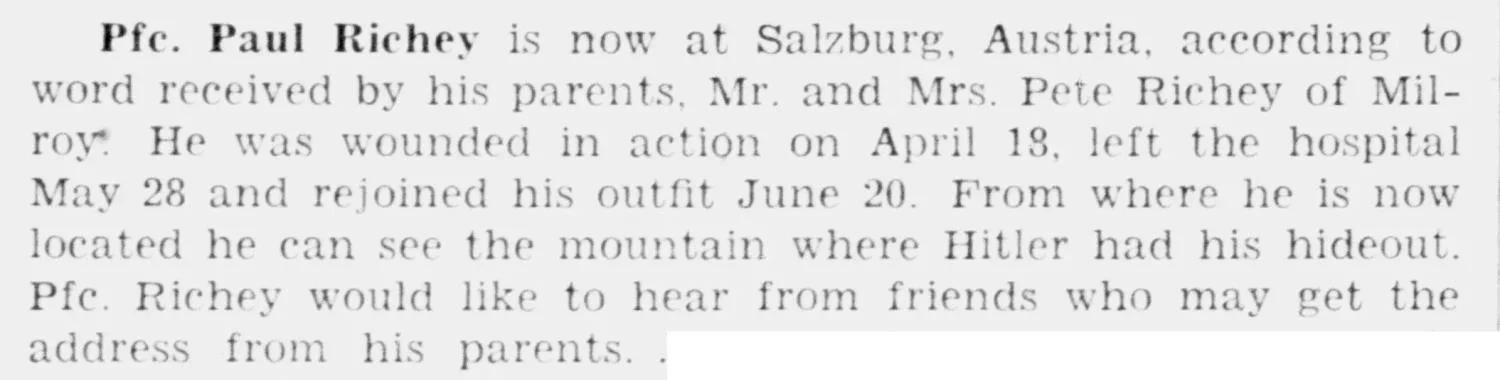
4. Letters Home
Personal accounts from soldiers
Provide locations, movements, and experiences
Often printed verbatim
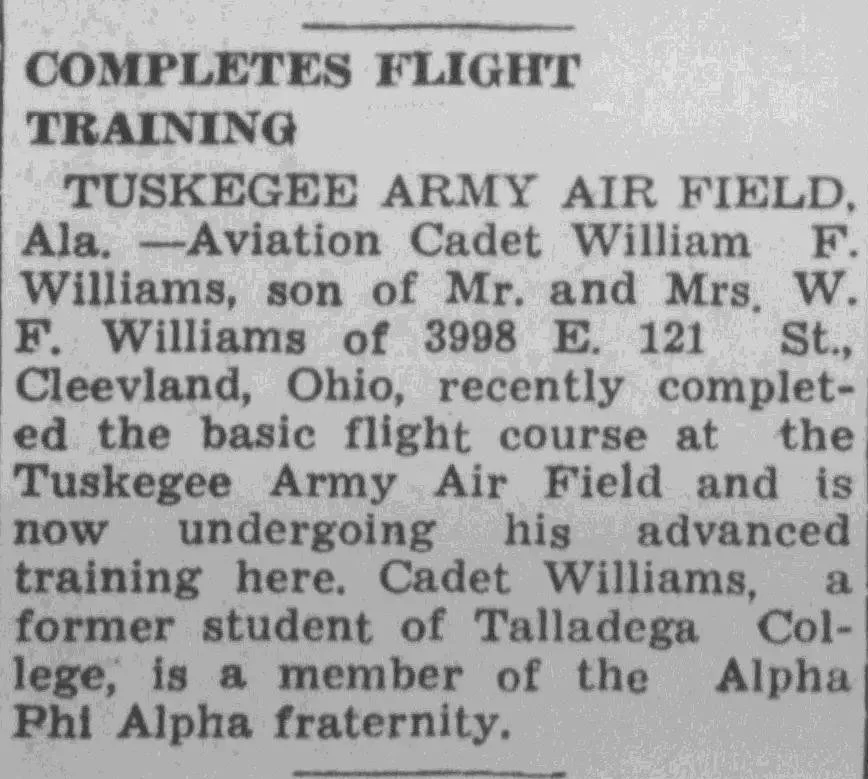
5. Promotions and Honors
Track career progression
May include awards, medals, or commendations
6. Leave & Return Notices
“Home on furlough” mentions
Travel details and family visits
7. Veteran Features
Post-war profiles
Service summaries and reflections
8. Obituaries
Often the most complete summary of service
Include branch, rank, conflicts, and sometimes unit
How Military Coverage Differs by Time Period
Understanding the era can dramatically improve your search success.
World War I (1917–1918)
Draft registration lists are common
Community-based enlistment reporting
Early casualty lists

World War II (1941–1945)
Frequent casualty updates
Letters and morale stories
Homefront coverage (rationing, support efforts)
Korea & Vietnam
More formal reporting
Casualty coverage continues
Less community-level detail than earlier wars
Post-War Years
Veteran reunions
Anniversary articles
Obituaries with detailed service summaries
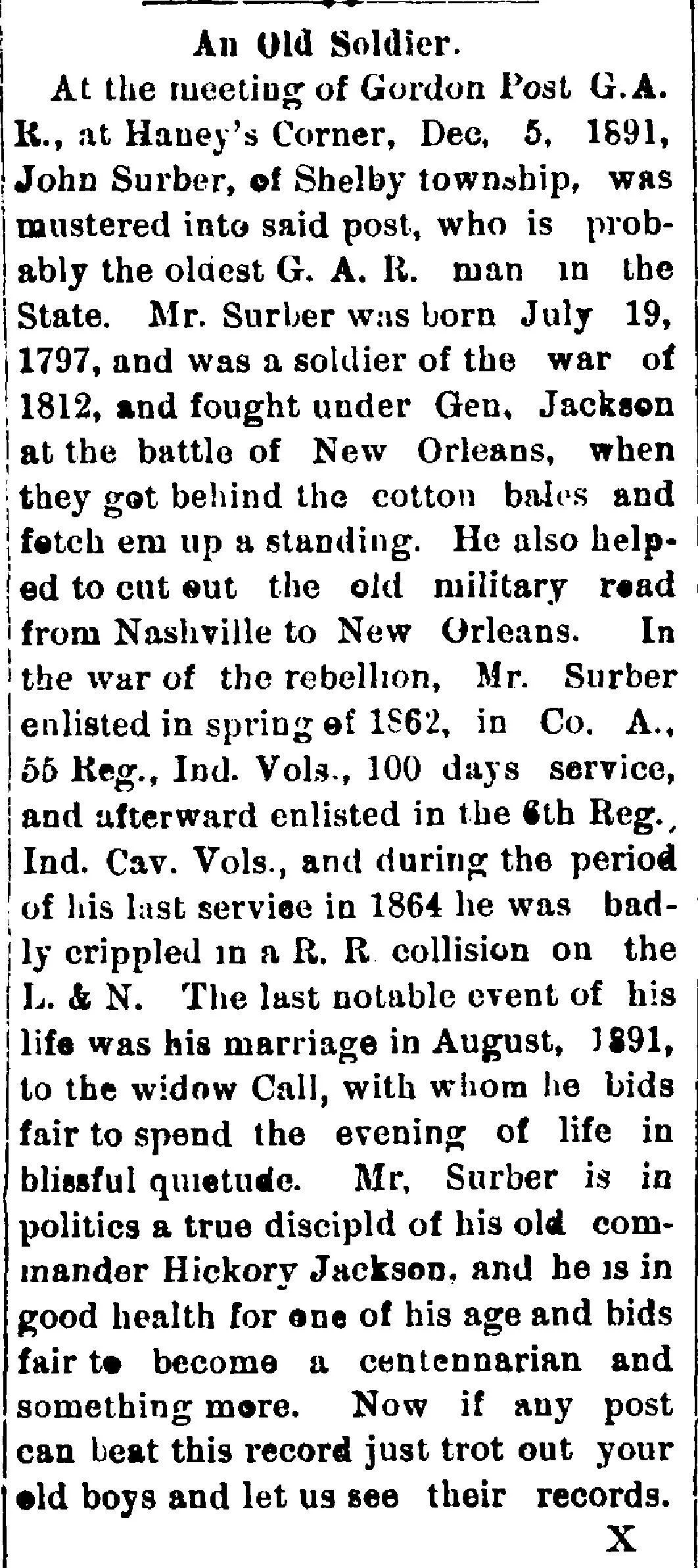
Why Small-Town Newspapers Matter for Military Research
Big newspapers reported the war.
Small-town newspapers reported the people in it.
This is where research comes alive.
In small-town papers, you’ll find:
Local enlistment lists
Weekly updates on soldiers
Personal letters printed in full
Mentions of parents, spouses, and siblings
Community reactions to injury or loss
Example types of entries:
“John Miller arrived home on leave this week to visit his parents…”
“Mrs. Clara Johnson received word that her son…”
These short updates can:
Confirm identity
Connect family members
Reveal locations and timelines
NewspaperArchive’s strength in small-town coverage makes it especially valuable for military research.
Step-by-Step: How to Find Military Service Records in Newspapers
Step 1: Gather Basic Information
Start with:
Full name
Approximate birth year
Known locations
Possible war or timeframe
Step 2: Run a Broad Search
Search the name alone first.
Look for:
Unexpected mentions
Nicknames or initials
Step 3: Add Military Keywords
Layer in:
“enlisted”
“army”
“private”
“draft”
Step 4: Narrow by Date
Focus on likely service years.
Step 5: Filter by Location
Start with hometown papers.
Then expand outward:
Nearby towns
State-level papers
Step 6: Track Every Clipping
Each mention can lead to another:
Enlistment → training → deployment → promotion → return
Common Mistakes to Avoid
Searching only full names (try initials and variations)
Ignoring small mentions (short lines can be key)
Skipping small-town papers
Not adjusting date ranges
Stopping after one result
Military research in newspapers is about building a chain, not finding one perfect record.
Frequently Asked Questions
Can newspapers confirm military service?
Yes. While not official records, they often provide strong supporting evidence and additional context.
What if my ancestor served but isn’t showing up?
Try:
Name variations
Searching relatives
Expanding location range
Are all wars covered equally?
No. Coverage varies by era, with WWII typically having the most detailed reporting.
Can I find unit information in newspapers?
Sometimes, especially in casualty reports, letters, and feature stories.
Are draft records in newspapers reliable?
Yes, especially when printed as official lists from local draft boards.
Search Your Family’s Military Story in Newspapers
Military service shaped entire generations, and newspapers captured those moments in real time.
Search NewspaperArchive by name, place, or military keyword to uncover enlistments, letters, and personal stories that bring your ancestor’s service into focus.
Conclusion: What Newspapers Add to Military Records
Military service records tell you what happened.
Newspapers help you understand it.
From enlistment to homecoming, newspapers capture the human side of service, adding depth, context, and connection to your family history research.