How to Find Family Obituaries in Newspapers (Step-by-Step Guide)
Find family obituaries in old newspapers with step-by-step tips. Learn how to search ancestors, uncover clues, and discover meaningful family stories.
Old newspapers recorded deaths in many forms—not just traditional obituaries, but also death notices, funeral notices, cards of thanks, in memoriam tributes, and even organizational necrology reports. Searching only “obituary” can limit results, so try name variations, family member names, locations, and details like age, occupation, or church affiliation. Expand your search beyond hometown papers and browse surrounding dates, as notices were often published in multiple places or days later. Exploring the full newspaper page—including social columns and local news—can uncover additional clues and context that bring your ancestor’s story to life.
Searching for a family obituary in old newspapers can feel overwhelming, but it’s often one of the most meaningful discoveries you’ll make in your family history. An obituary doesn’t just record a death. It can capture relationships, personality, and moments that never appear anywhere else.
In this guide, you’ll learn how to find obituaries for your ancestors using simple, proven strategies, even if you’re just getting started.
Quick Answer: How Do You Find a Family Obituary in Newspapers?
Start with a full name and approximate death date
Search multiple name variations
Narrow by location and time period
Expand beyond obituary sections
Check surrounding days or weeks if needed
Explore related notices like death notices, memorials, and cards of thanks
These simple steps can open the door to stories you may have never heard before. And sometimes, all it takes is one search to get started.
What’s the Difference Between a Death Notice and an Obituary?
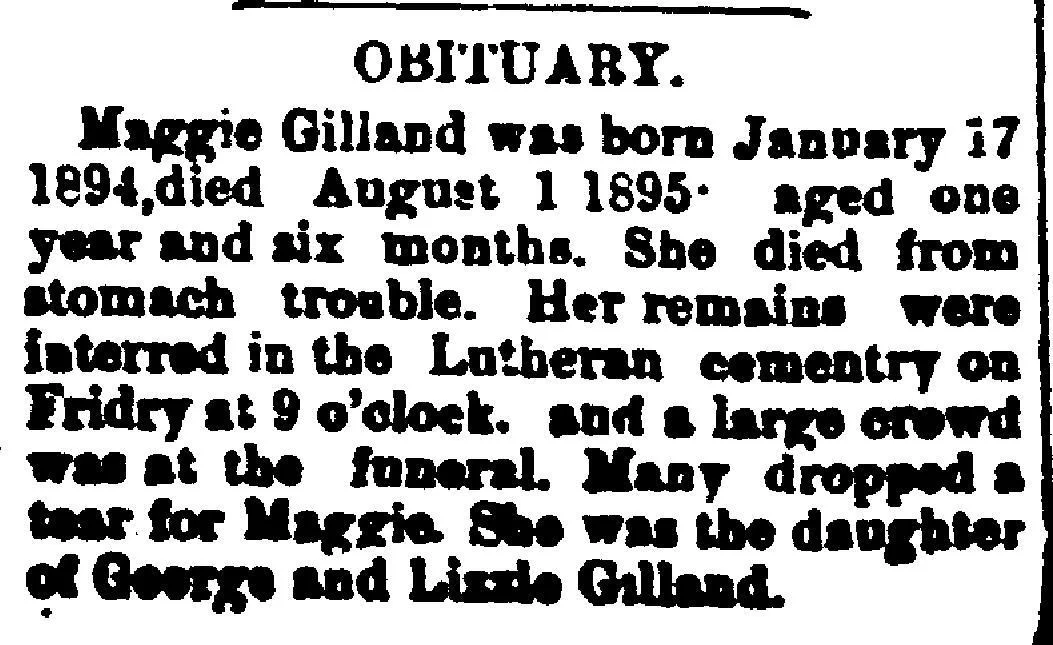
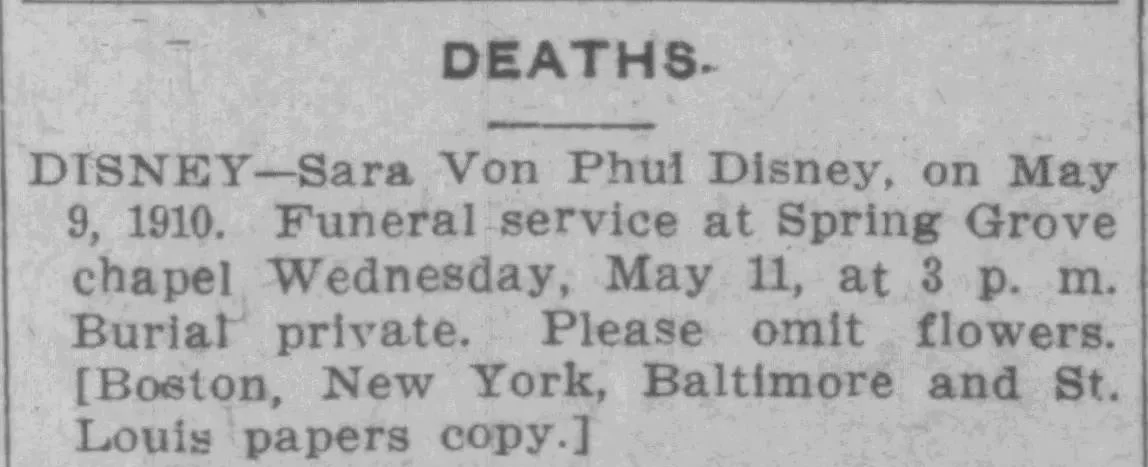
Newspapers typically published two main types of death-related announcements:
Most researchers focus on obituaries, but if you stop there, you may miss important clues.

The Overlooked Death Announcements You Should Be Searching
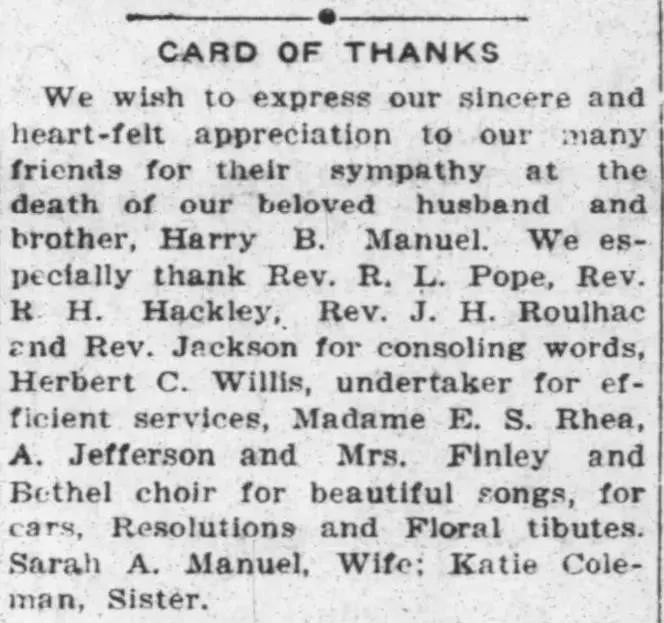
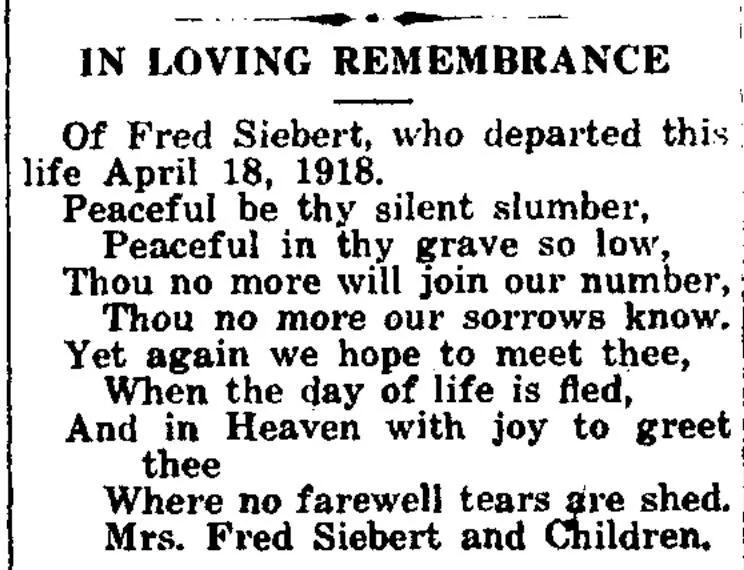
Older newspapers often included other types of notices that can be just as valuable:
Card of Thanks – A short message from the family thanking the community
In Memoriam – Sometimes written as poems or heartfelt tributes
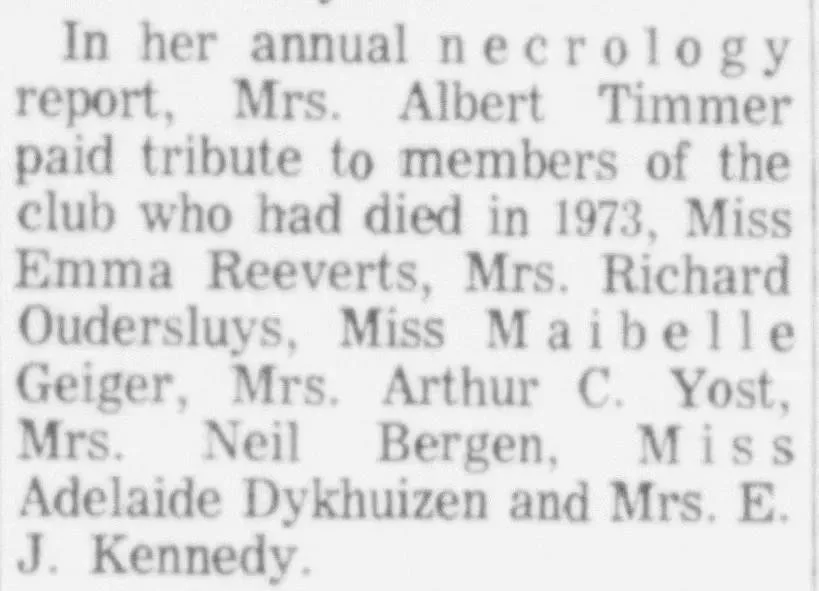
Necrology Reports – Lists of deaths submitted by organizations, schools, or churches
These may seem small, but they can reveal relationships, affiliations, and even personality in ways traditional obituaries do not.
Don’t skip them. These “forgotten” notices often hold the exact detail you’ve been searching for.
How to Find Obituaries for Your Ancestors (Step-by-Step)
1. Start With What You Know
Begin with the basics:
Full name
Approximate death date
Location
Even a rough estimate is enough to get started.
2. Search Name Variations
Names were often misspelled or recorded differently.
Try:
Nicknames
Initials
Alternate spellings
Married and maiden names
This one step alone can unlock records you didn’t know existed.
3. Use More Than Just a Name
Sometimes the key to finding an obituary isn’t the name. It’s everything around it.
Try searching:
Age
Birthplace
Spouse or children’s names
Occupation
Church or organization
Cemetery or funeral home
Think of it like building a puzzle. One small piece can lead to the whole picture.
4. Expand Your Location (This One Matters More Than You Think)
It’s easy to assume an obituary will appear in a hometown newspaper, but that’s not always the case.
I once found an article about my great-great-grandfather in an Oshkosh, Wisconsin, newspaper and the Chicago Tribune, even though he lived in Cincinnati, Ohio.
People moved. Families were scattered. News traveled.
Always search beyond where your ancestor lived.
5. Understand the Difference Between Small Town and Big City Papers
Small-town newspapers often published obituaries for nearly everyone
Large city newspapers were more selective, usually featuring prominent individuals
If you’re not finding an obituary in a big city paper, try nearby smaller communities.
Why Small-Town Newspapers Matter More Than You Think
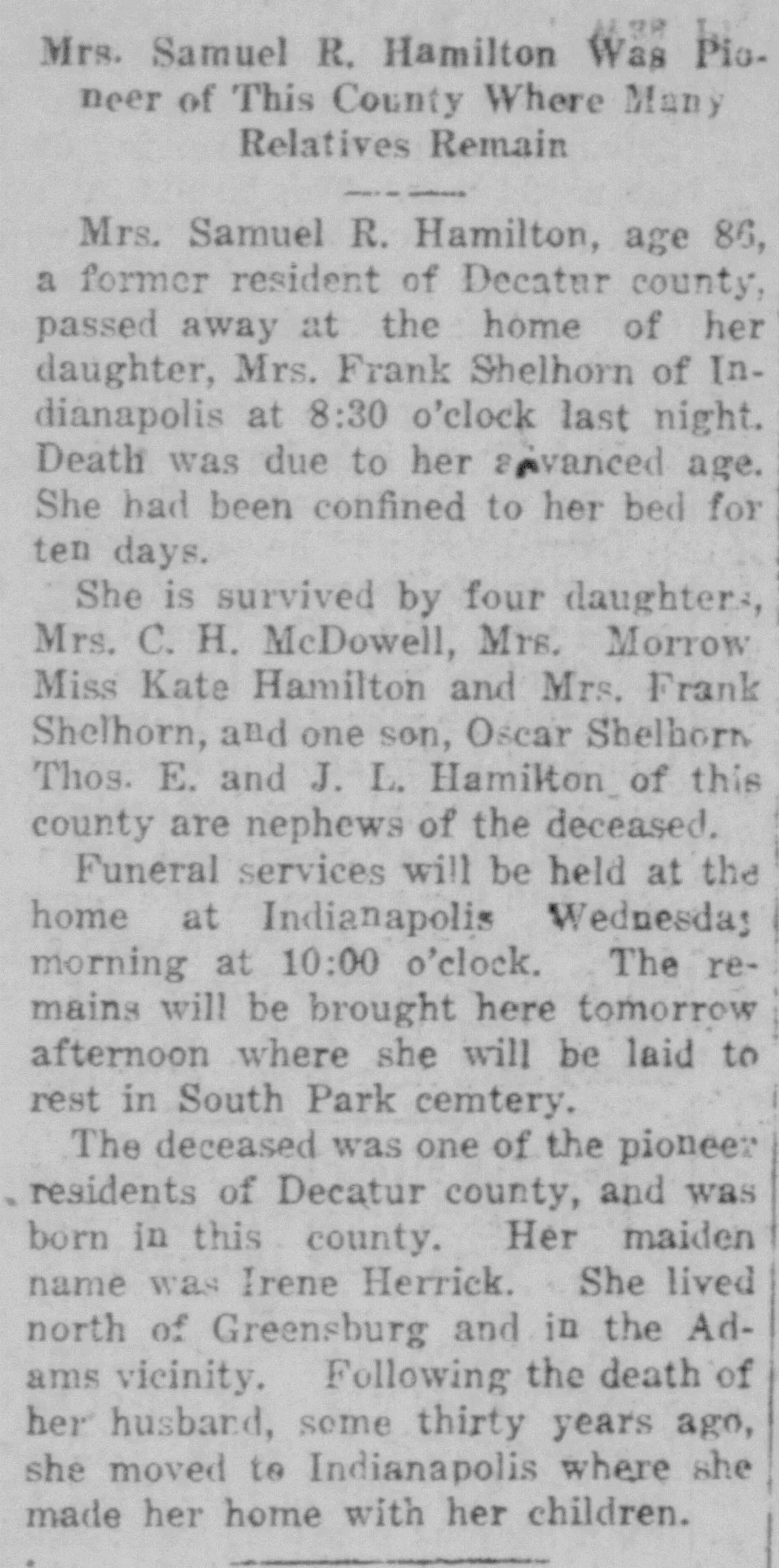
Small-town newspapers are often one of the most powerful—and overlooked—resources for finding family obituaries and death information. Unlike large city papers, which typically focused on prominent individuals, smaller community newspapers recorded the everyday lives of local residents. That means your ancestor was far more likely to be mentioned, whether in an obituary, death notice, or even a short line in a local column.
These papers didn’t just report deaths. They captured community connections. You might find neighbors attending a funeral, relatives traveling in for services, or additional details that never made it into official records.
This is where NewspaperArchive’s collection truly stands out. With millions of pages from small-town newspapers across the United States and beyond, it offers access to the kinds of local publications where your ancestors were most likely to appear. If you’re not finding what you need in larger city papers, expanding your search into smaller communities can make all the difference.
6. Look Beyond the Obituary Section
This is where the real magic happens.
Don’t stop once you find (or don’t find) an obituary. Explore:
Social columns
Advertisements
These sections can give you something special. A glimpse into your ancestor’s everyday life.
Think of newspapers as the social media of their time. The details are everywhere. You just have to look.
When the Obituary Isn’t Where You Expect
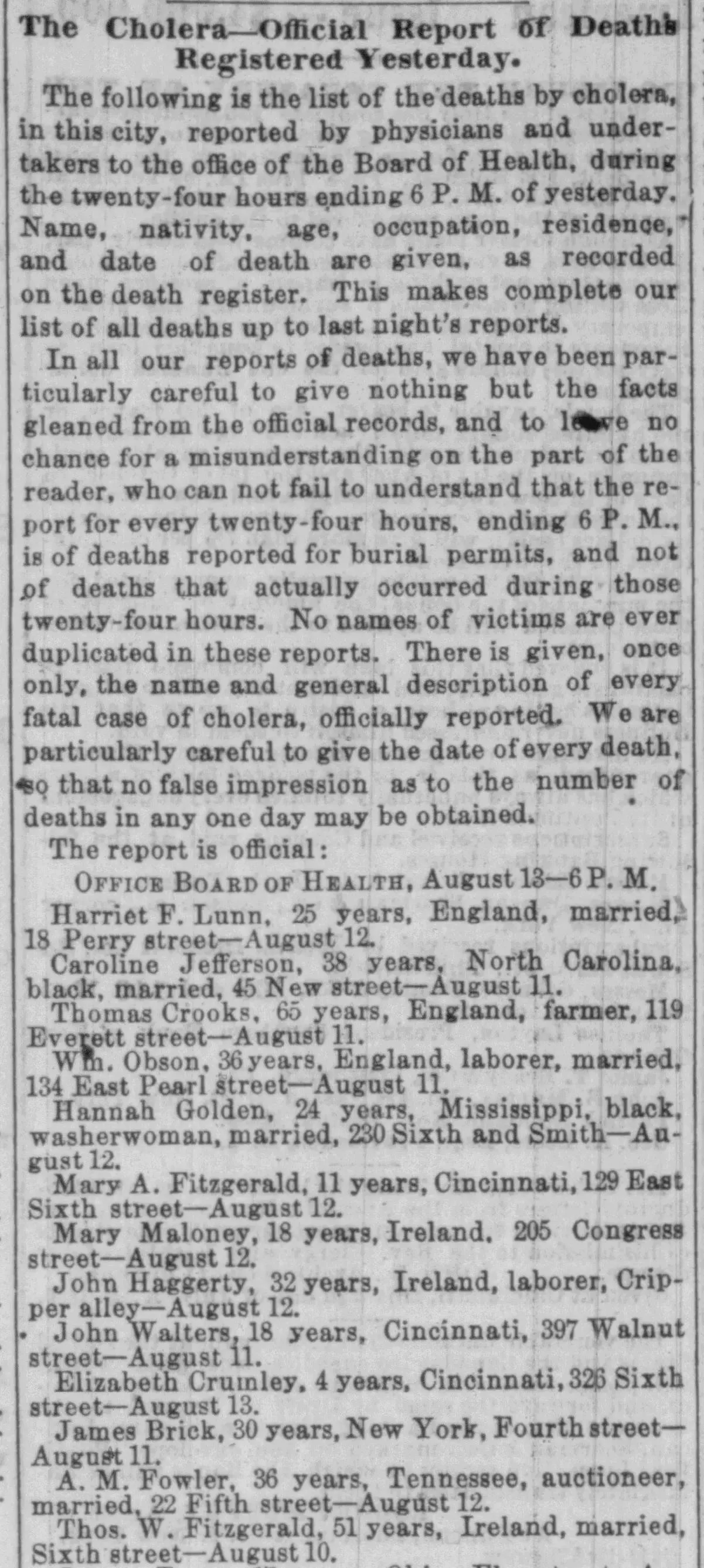
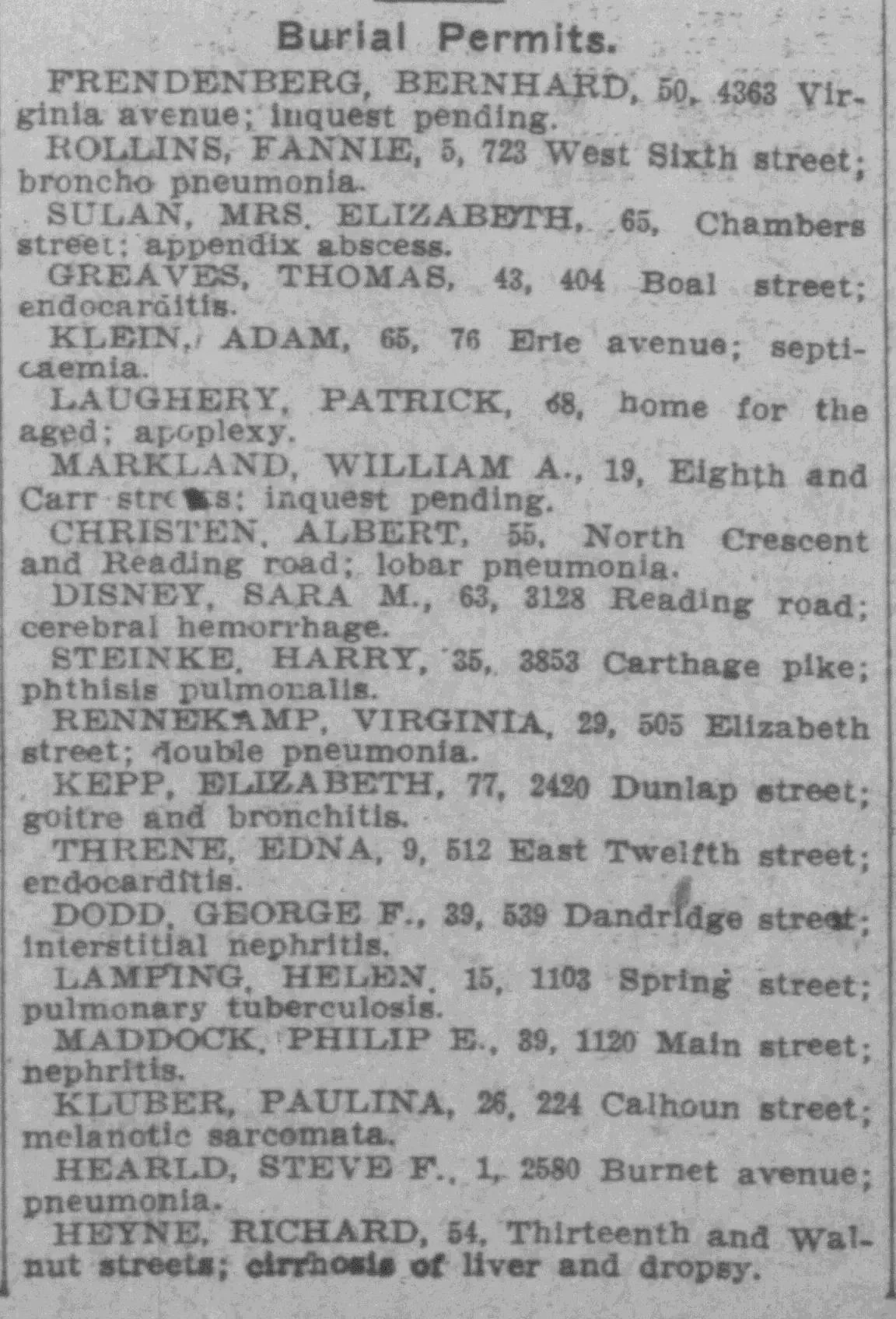
There have been many times when I couldn’t find an obituary at first, only to discover a clue hidden somewhere else in the paper.
A funeral notice might appear days later. A social column might mention relatives visiting. A short death notice might lead to a longer story in another city’s paper.
What looked like a dead end turned into a breakthrough just by reading a little wider.
Why You Might Not Be Finding an Obituary (And What to Do)
If your search isn’t working, don’t worry. It happens to everyone.
Here are a few common issues and how to fix them:
Name isn’t showing up → Try variations or search without a first name
Wrong date → Expand your search by weeks or even months
No obituary exists → Look for death notices, memorials, or news articles
Not indexed properly → Browse the newspaper page manually
Sometimes the answer isn’t missing. It’s just hiding.
What You Can Learn From an Obituary
An obituary can reveal:
Family relationships
Migration patterns
Occupations and education
Community involvement
Religious affiliations
But more than that—it can give you a story.
And sometimes, it’s the only place that story was ever written down.
Ready to Start Your Search?
You now have the tools to begin finding your ancestors’ obituaries and the confidence to keep going even when it takes a little creativity.
With newspapers dating back to 1607, you never know what you’ll find.
Final Thought
Finding an obituary isn’t just about confirming a date. It’s about discovering a life.
And once you find one, it rarely stops there. One notice leads to another story… and another connection… and suddenly, your family history starts to feel a whole lot more alive.
Frequently Asked Questions About Finding Obituaries in Newspapers
How do I find an obituary for an ancestor in a newspaper?
Start with your ancestor’s full name and approximate death date, then search historical newspapers using name variations, locations, and family member names. Expanding your search beyond obituary sections can also uncover hidden results.
What if I can’t find an obituary in a newspaper?
If you can’t find an obituary, try searching for death notices, funeral notices, in memoriam tributes, or even local news articles. Not every death was recorded as a full obituary, especially in larger cities.
Why would an obituary appear in a different city’s newspaper?
Obituaries and death notices were often published in multiple locations, especially where family members lived. It’s common to find an ancestor mentioned in newspapers outside their hometown.
What information can I learn from an obituary?
Obituaries can reveal family relationships, birthplaces, occupations, religious affiliations, migration patterns, and community involvement—often providing details not found in other records.
Are death notices and obituaries the same thing?
No. A death notice is usually brief and includes basic details like death and funeral information, while an obituary often includes a more detailed life story and family connections.
What are other types of death-related notices in newspapers?
In addition to obituaries and death notices, newspapers may include cards of thanks, in memoriam tributes, and necrology reports—all of which can provide valuable clues for family history research.