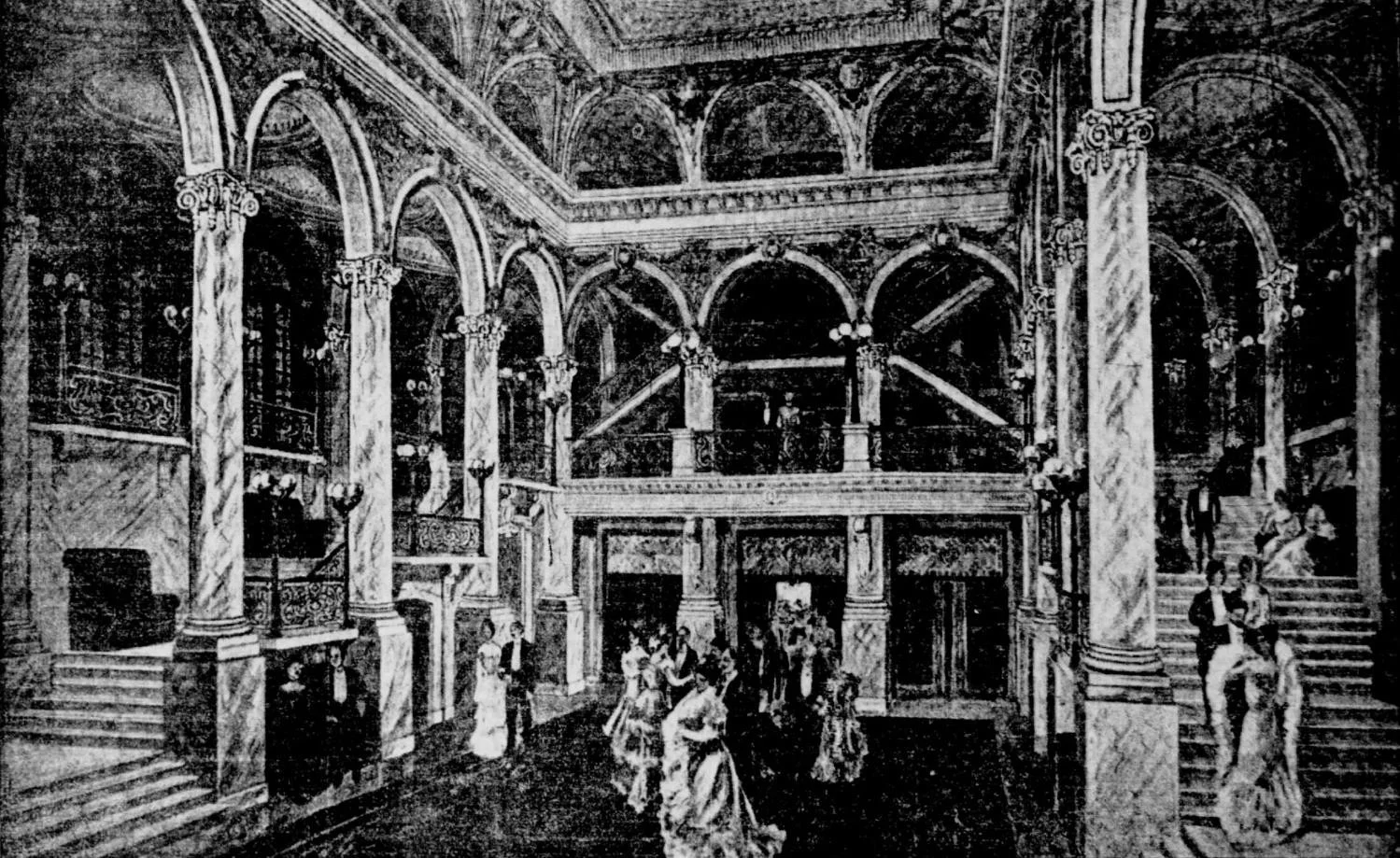
A Family Lost in the Iroquois Theater Fire: A Story Found in Newspapers
Genealogist Aimee Cross uncovers her family’s connection to the 1903 Iroquois Theater fire through newspaper research, revealing a devastating loss and the lasting impact of one historic tragedy.
Research into Bertha Persis Luff revealed that she, her husband, and three of their children died in the 1903 Iroquois Theater fire in Chicago, one of the deadliest disasters in U.S. history. Newspaper accounts provided critical context, connecting family names to the larger tragedy while also highlighting inaccuracies in historical reporting. This guest blog post by professional genealogist Aimee Cross demonstrates how newspapers can uncover hidden family stories, provide historical context, and emphasize the importance of verifying genealogical sources.
How Newspapers Revealed My Family’s Connection to the 1903 Iroquois Theater Fire
I had been researching my third great-grand-aunt and her daughter, Bertha Persis Luff, following the familiar thread of names and dates that so often guide genealogical work. Bertha had died on the same day as her husband and three of her four children.
That kind of loss doesn’t happen quietly. It demanded an answer.
I turned to newspapers, hoping for context, and there it was: the Iroquois Theater fire in Chicago on December 30, 1903.
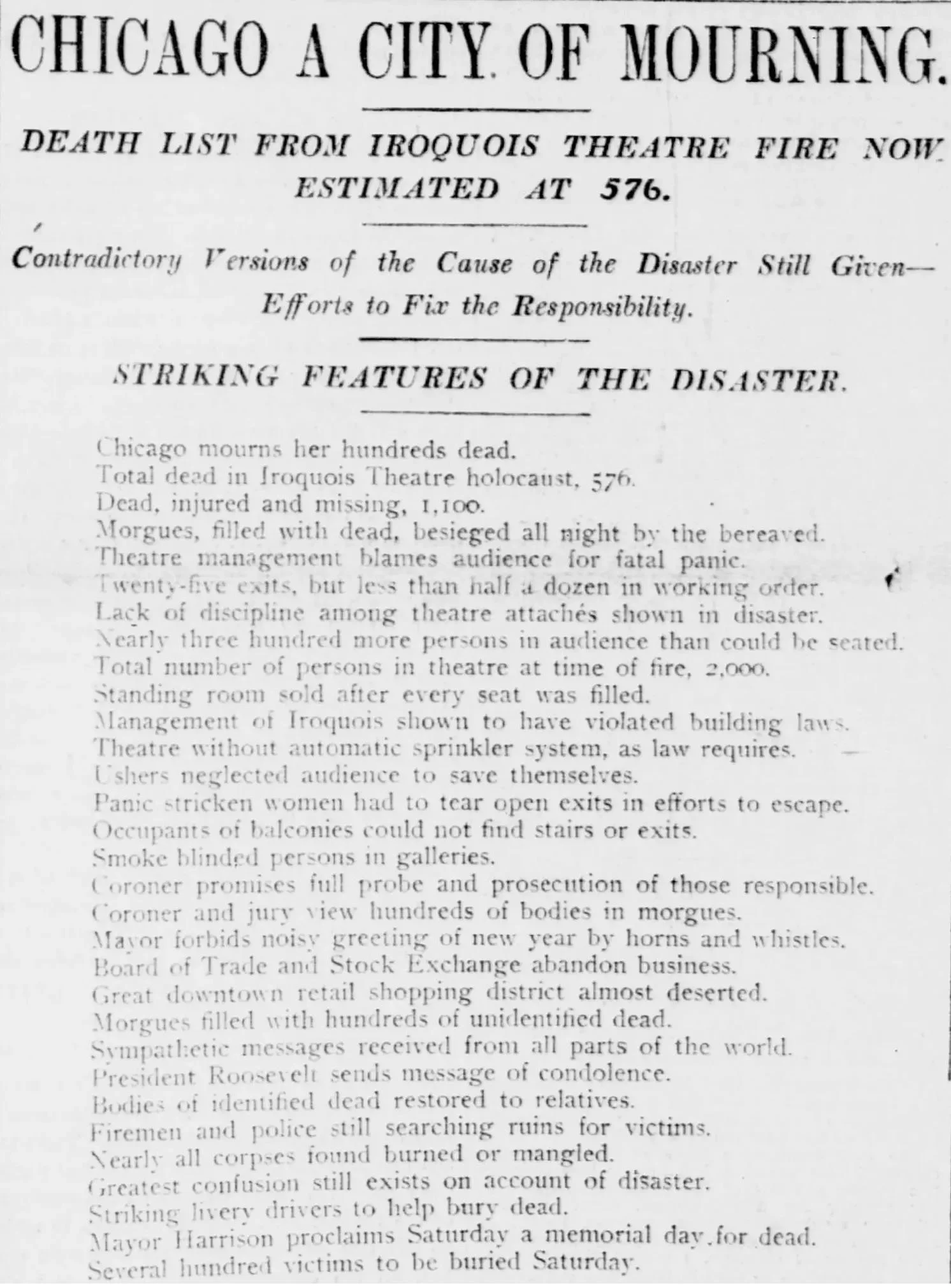
Suddenly, the names on my tree became a family caught in one of the deadliest theater disasters in American history.
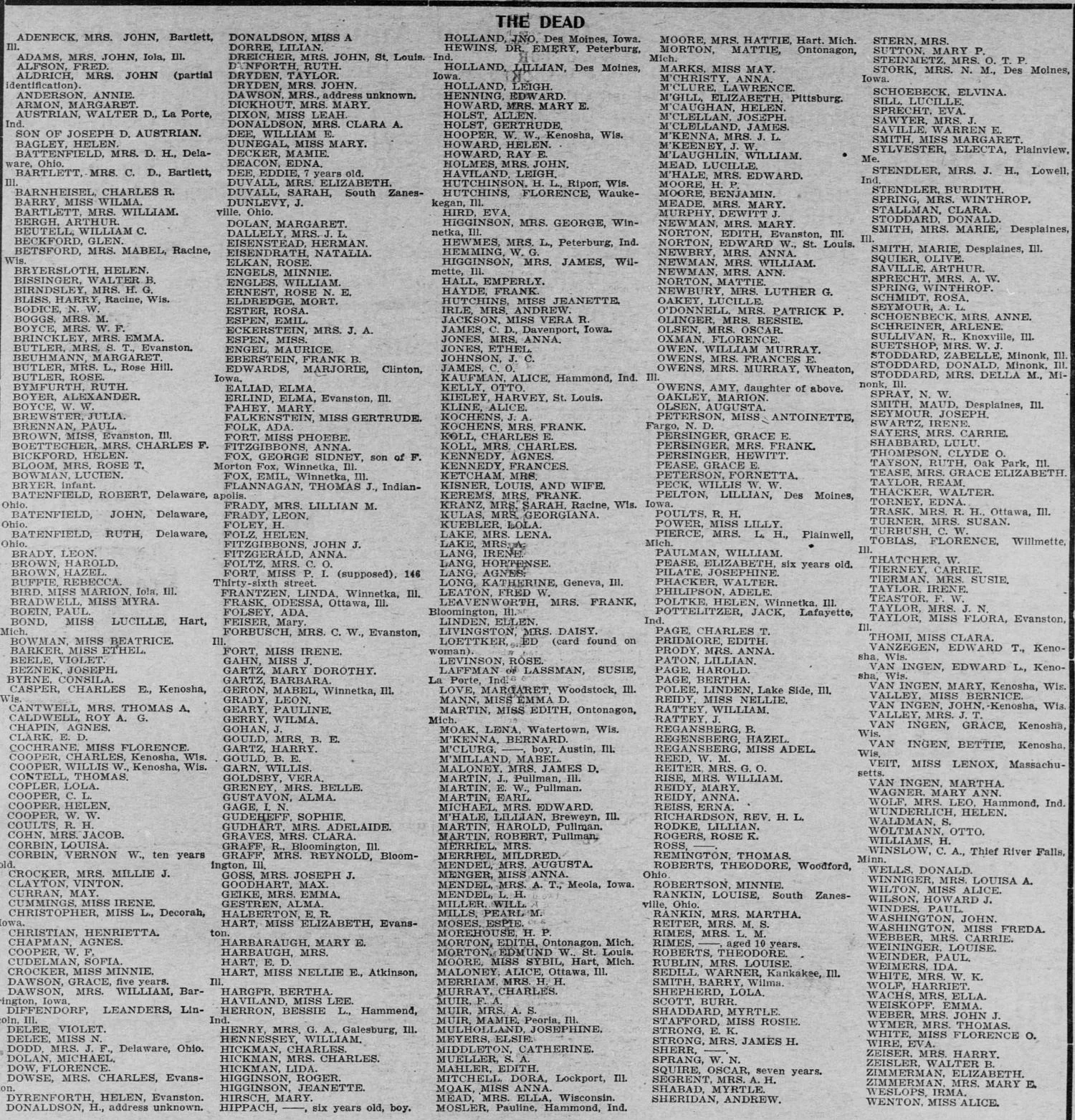
Bertha, her husband, and their children, Myron, Martin, and little Lloyd, had gone to see a holiday production. Myron was just ten years old. Martin was six. Lloyd, only five. They never came home.
The family's youngest daughter, Ora Rimes, had been left behind with her grandmother, likely considered too young to attend the performance. That single decision spared her life. She would grow up without her parents and siblings, raised by extended family.
As I read further, the tragedy deepened. The fire had started backstage, but what turned it into a catastrophe was not just flame. It was a human failure. Doors were locked. Exits were inadequate. Safety regulations were ignored in favor of social display so patrons could enter through grand entrances, to see and be seen, rather than through multiple accessible exits.
When the fire spread, there was nowhere to go.
In total, 575 people died that day, with dozens more succumbing to their injuries later. Entire families were lost. Mine was one of them.
I don’t have journals or letters telling me how my family grieved. There are no written accounts of their sorrow.
And yet, from that unimaginable loss came change.
In the aftermath of the fire, new safety measures were implemented. Ones we still rely on today. Among them is the panic bar, the simple push device on exit doors that allows people to escape quickly in an emergency. It’s something we pass by without thinking, but it exists because of this tragedy.
The newspaper itself contained errors, misstated names and ages, perhaps the boy’s incorrect names/ages were drawn from their ages at the date of the photographs, but it confirmed the importance of how fragile the historical record can be. And how important it is to look beyond a single source.
Search Your Family Story in Newspapers
Family stories don’t always come with proof—but newspapers often do. Search historical newspapers on NewspaperArchive by name, place, or event to see what details might be waiting to be found.
About the Author
Aimee Cross is a professional genealogist with over 40 years of experience specializing in United States family history research. Inspired by her grandmothers, her lifelong passion for genealogy has led her to help others uncover their ancestral stories through her business, Ancestry Consulting by Aimee. Aimee is dedicated to making genealogy research accessible, offering guidance to both beginners and experienced family historians. She also shares practical tips, research strategies, and real-life case studies on her YouTube channel, @AncestryAimee, helping others navigate the world of family history and historical records.
Connect with Aimee
Follow Aimee’s genealogy research, family history stories, and expert tips:
Like and follow Ancestry Consulting by Aimee on Facebook
Follow Ancestry Aimee on Instagram
Follow Ancestry Aimee on X
Subscribe to the Ancestry Aimee channel on YouTube
Visit the Ancestry Consulting by Aimee website