What Life Was Like in 1948 (According to Newspapers)
Discover what life was like in 1948 using historical newspapers, including the Truman-Dewey election, Berlin Airlift, classified ads, and postwar daily life.
Newspapers from 1948 capture major historical moments such as the Truman–Dewey election upset, the Berlin Airlift, and the desegregation of the U.S. armed forces, alongside everyday life reflected in advertisements, classifieds, and entertainment listings. Exploring digitized newspapers reveals how national events and daily decisions appeared side by side, offering valuable insight for genealogy research and understanding postwar life in America.
There’s something about searching newspapers from 1948 that feels familiar. Until it doesn’t.
You recognize the language. The ads. The structure.
And then a headline stops you.
Or a pattern starts to repeat.
Or a story shows up again and again across different papers.
And you realize you’re not just browsing.
You’re watching a specific moment unfold in real time.
If you want to see what this kind of year looked like in your own family’s community, try searching NewspaperArchive by location and year. Even a simple 1948 search can bring up the headlines, ads, prices, local names, and everyday details people were reading at the time.
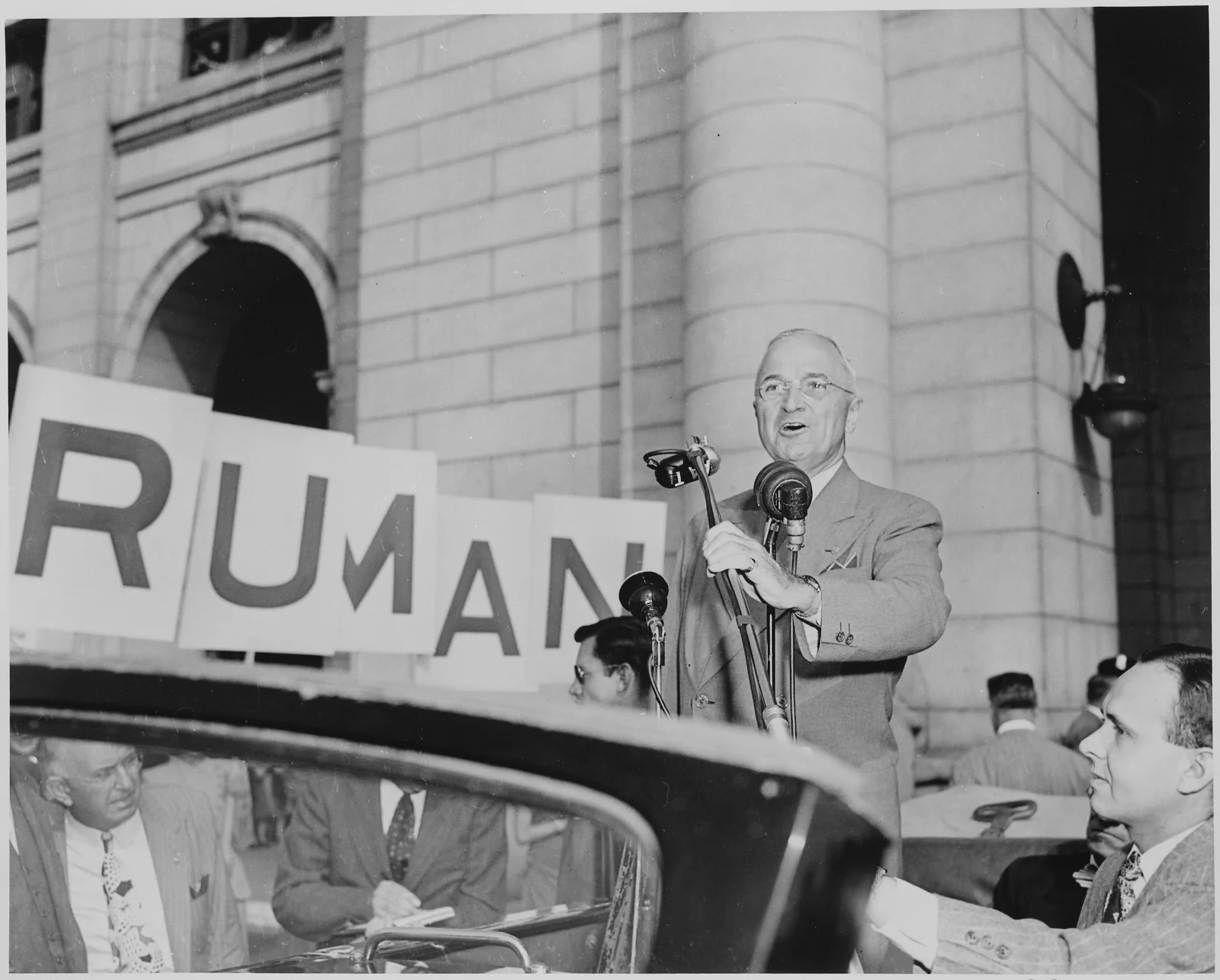
The Election That Shocked the Newspapers
If you spend time in November 1948 newspapers, one thing becomes clear:
The outcome caught people off guard.
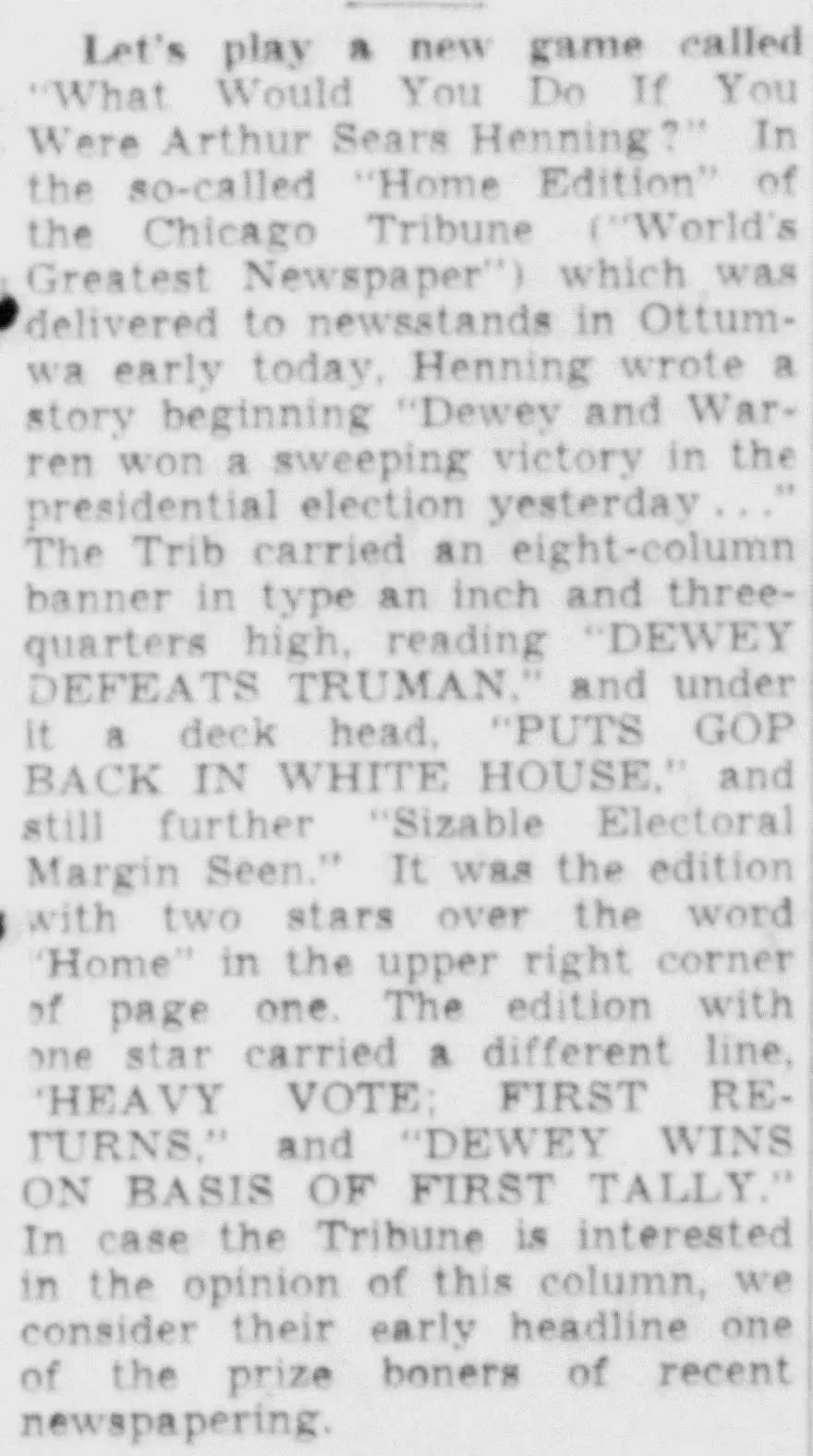
Most papers expected Thomas E. Dewey to win. Early editions reflected that assumption.
And then everything flipped.
When Harry S. Truman secured the victory, some newspapers had already gone to print.
Which is how one of the most famous headlines ever appeared:
“DEWEY DEFEATS TRUMAN”
Seeing it in context, on a full page, surrounded by confident predictions, feels very different than seeing it as a standalone image.
It’s not just a mistake.
It’s a snapshot of how news worked in real time.
The Berlin Airlift—A Story That Builds Over Time
Move through 1948 papers week by week, and one story keeps returning:
Flights into Berlin.
The Berlin Airlift began in June 1948 after the Soviet blockade cut off access to West Berlin.
Newspapers didn’t treat it as a single major headline.
Instead, they reported it in steady updates:
“Supplies continue to be flown into Berlin…”
“Increased tonnage reported this week…”
When you read these across multiple days or papers, the scale becomes clear.
This wasn’t one story.
It was something people followed continuously.
Civil Rights Moves Into the Headlines
1948 is also the year civil rights began to appear more prominently in national reporting.
In July, Harry S. Truman issued an order to desegregate the U.S. armed forces.
Newspapers often reported it in straightforward terms:
“Order issued to end segregation in armed services…”
One report framed it clearly, noting the push for “equality of treatment and opportunity” and the goal of ending segregation in the armed services.
But if you compare coverage across regions, you start to notice differences:
Tone
Placement in the paper
Editorial response
The reporting itself becomes part of the story.
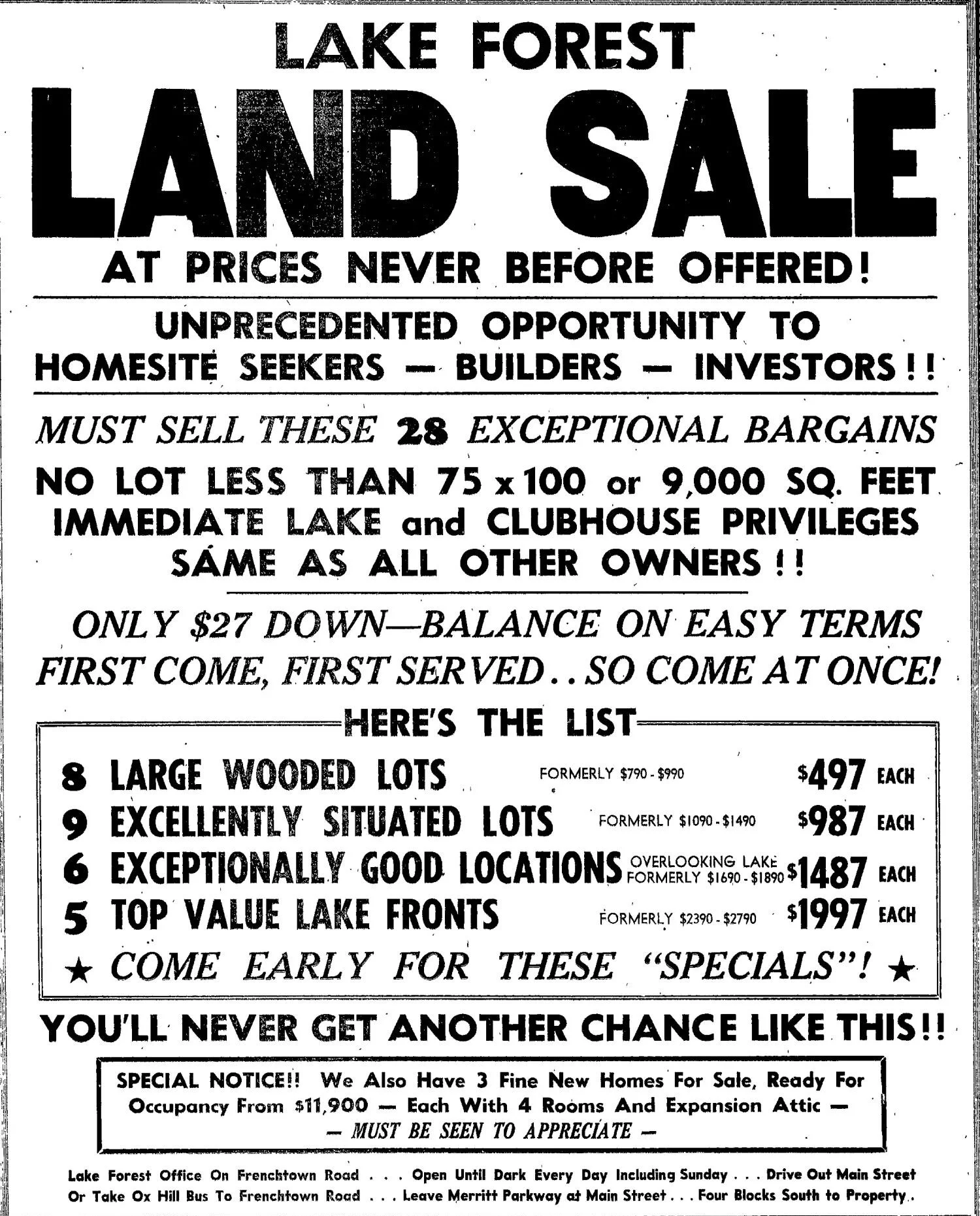
Housing, Growth, and the Shape of Postwar Life
Scroll through advertisements and local sections, and another pattern becomes clear:
People are building.
You’ll see:
New housing developments
Suburban expansion
Opportunities tied to the GI Bill
Ads often read like this:
“New homes available—modern design, convenient location…”
There’s a shift happening here from wartime focus to domestic life.
And newspapers are documenting that transition in real time.
Advertisements & Classifieds: What People Wanted in 1948
If you want to understand everyday life in 1948, this is where you look.
The ads and classifieds.
They’re direct. Practical. Immediate.
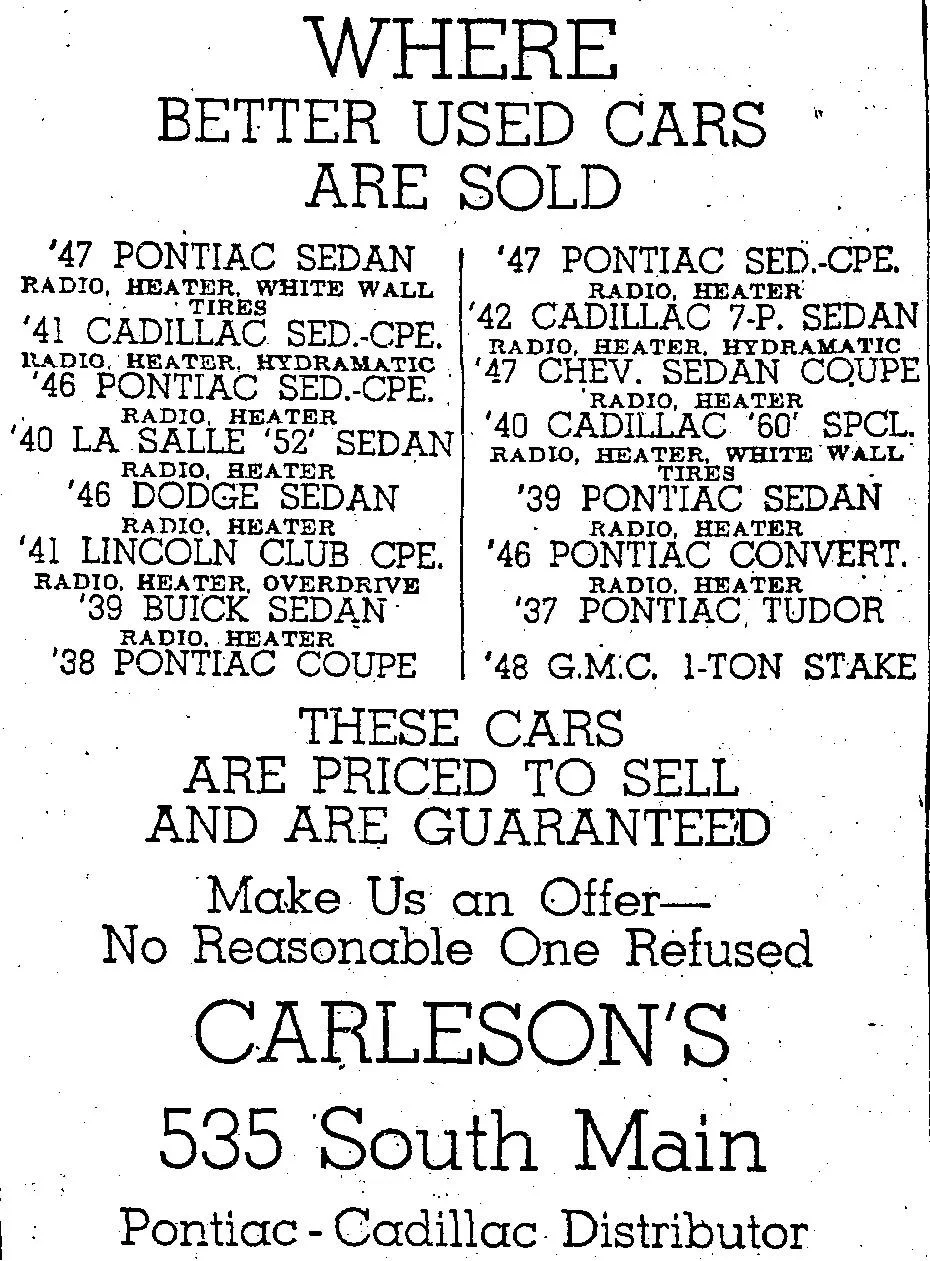
You’ll find:
Appliances promising “modern living”
Used cars listed by year and condition
Job postings across growing industries
Homes and apartments for rent
The wording is simple but revealing:
“For Sale—5-room house, modern conveniences…”
“Help Wanted—steady work, good pay…”
“Late model automobile, excellent condition…”
These aren’t just listings.
They’re decisions in progress:
people moving, working, buying, starting over.
Movies, Radio, and a Changing Entertainment Landscape
By 1948, entertainment is structured and constant.
Newspapers are filled with:
Movie listings across multiple theaters
Radio schedules organized by hour
But 1948 also marks a turning point with the Supreme Court case United States v. Paramount Pictures, Inc.
Coverage at the time was brief and direct:
“Court rules against major studios…”
It didn’t read like a cultural shift.
But it was one.
Why Small-Town Newspapers Matter
Big headlines tell you what was happening in the world.
Small-town newspapers tell you who it happened to.
This is where you’ll find:
Names in social columns
Local events and gatherings
Everyday moments that never made national news
That’s what makes NewspaperArchive so valuable. Its deep coverage of smaller communities means you’re not just seeing history…
You’re seeing the people inside it.
If a year like 1948 connects to your family story, start with the town where they lived and browse a few issues from that year. NewspaperArchive can help you move beyond the major headlines and see the local stories, notices, and advertisements that surrounded their daily lives.
Final Thoughts
1948 doesn’t read like a quiet year.
It reads like a turning point. One that unfolds gradually.
An election result printed too soon.
A supply effort repeated across months.
A policy change reported in measured language.
An ad offering a “modern” home.
And the more you scroll, the more those pieces connect.
Not as distant history...
But as a moment people were living through, one page at a time.