Using Newspapers to Find Divorce Records
Learn how to search historical newspaper archives to locate divorce records, pinpoint dates and courts, and uncover details that enrich your genealogy research.
This guest post by Marc McDermott of Genealogy Explained explains how historical newspaper archives can serve as a practical index for locating divorce records in genealogical research. McDermott outlines the multiple forms divorce information took in old newspapers: grouped listings of upcoming or completed cases, court proceeding announcements, 18th- and early 19th-century public notices warning of imminent divorce filings (sometimes including grounds for divorce), legislative "personal law" settlements resolved outside of court, and coverage of high-profile divorces as news or gossip. He notes that women were typically listed under their married names in these records. Researchers can expect to find useful details such as plaintiff and defendant names and aliases, residences, hearing dates, docket numbers, custody and property information, and — in some cases — a wife's maiden name. By the 1940s, notices also included specific allegations the defendant was required to answer. McDermott emphasizes recording docket numbers, which can be used to locate case files in state judicial systems, and advises checking whether divorce records are public in the relevant state before searching. Beyond their practical value, he argues divorce records — especially when combined with other historical sources — offer meaningful insight into ancestors' lives, relationships, and the social pressures of their era.
Looking for divorce records can be a daunting task, especially if you don’t know where to start. But did you know that you can use old newspapers to help you find these records? By searching through newspaper archives, you can quickly pinpoint the time and place of a divorce. You can then find and request records more easily. Let's look at how you can use old newspapers to find divorce records.
How to Find Divorce Announcements in Old Newspapers
Divorce information can appear in multiple forms and sections in historical newspapers. Start by casting a wide net, initially searching for a name with a place or date range and potentially a spouse. Women will typically be listed with their married names, so don’t try to search using their maiden name.
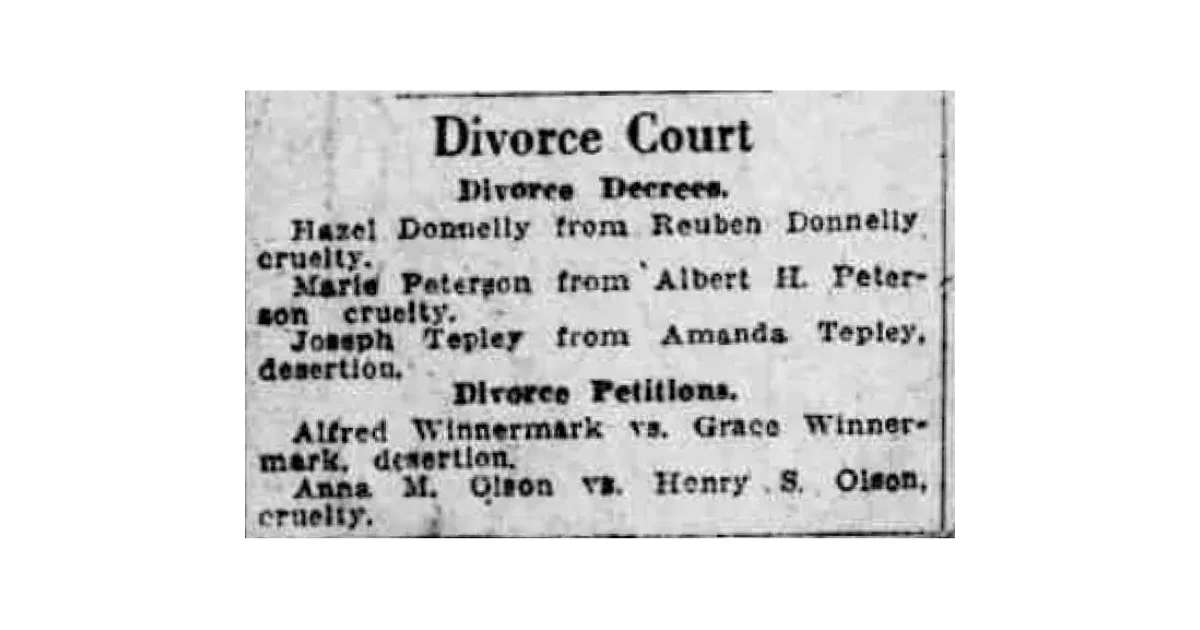
Newspapers may list upcoming divorce cases in groups. Completed cases may be listed in a different section.
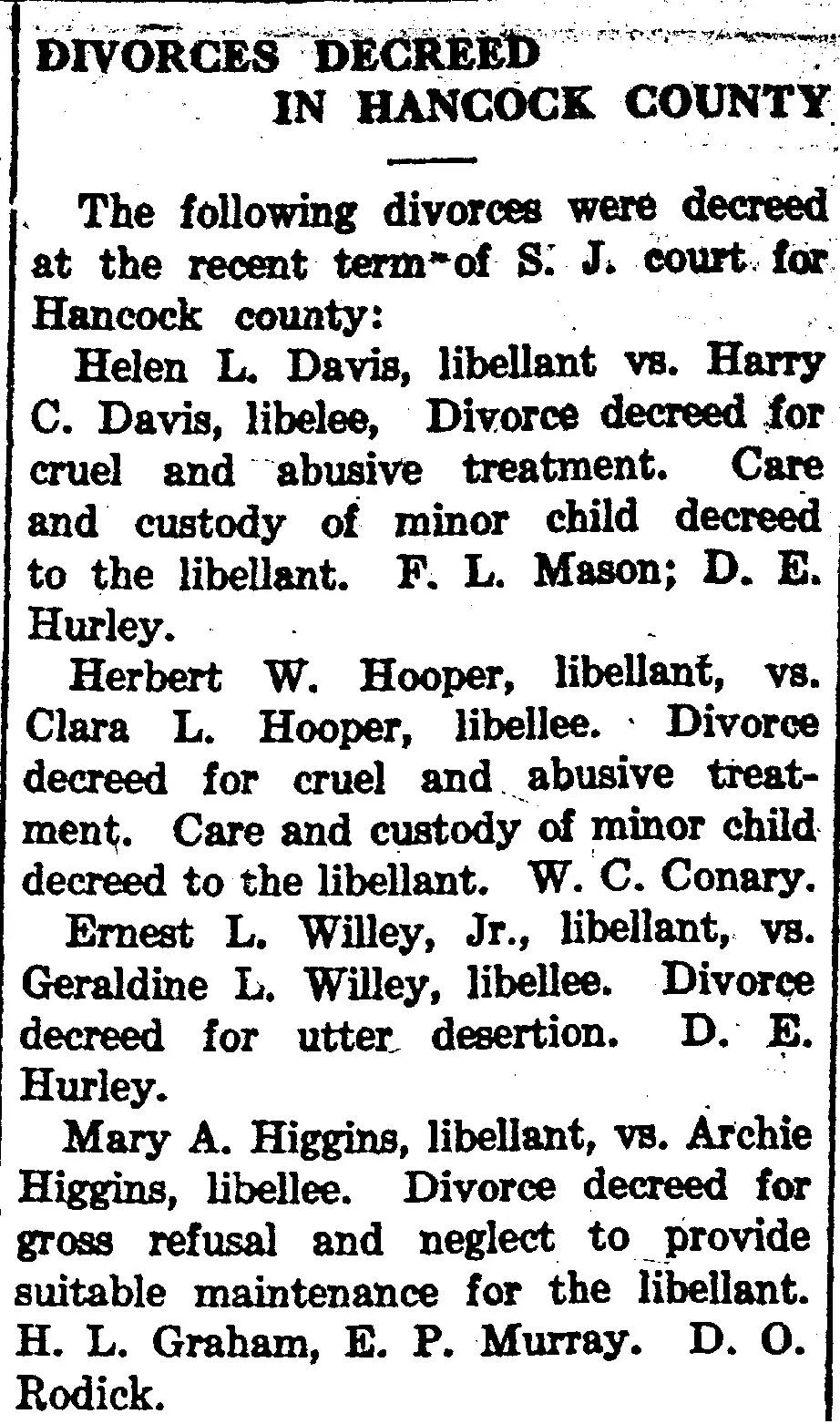
Court proceeding announcements were also standard in newspapers. In the 18th and early 19th centuries, some notices were recorded in newspapers as a public warning that a divorce case was imminent. Such notices may have included the reasons for divorce.
In some cases, the divorce may be settled in legislation known as “personal law.” This means the settlement occurs via a lawmaking body and not a court. Any divorce resolved by personal law could be listed in a summarized series.
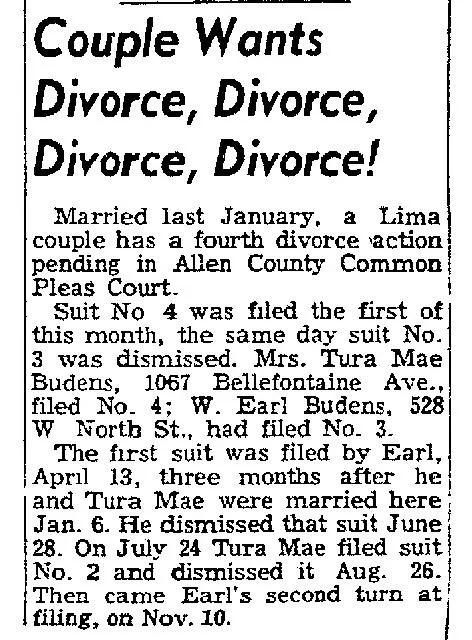
Finally, there is divorce as news and editorial. Well-known individuals might see the details of their marital, familial, and romantic life as a subject of gossip. Historically, women often found themselves taking the blame for the divorce.
Examples of Things You Might Find
Newspapers list several vital pieces of information that may lead to the original divorce record. Here are a few examples:
Names of the plaintiff and the defendant, including aliases
Current or former residences
Date of the hearing
The docket number of the case
Information about reverting to a maiden name, child custody, property, alimony, etc.
Where the court was located
Maiden name of wife (in some cases)
Always make sure to check for extra information, such as the original filing date of the divorce proceeding. Also, look for any indication that an appeal was filed and the date the appeal was heard.
By the 1940s, divorce notices included allegations for which the defendant was required to answer. This included issues like neglect or absence.
Always make a note of the docket number (if given). These can be used to search for the case in the States judicial system. In some States, divorce records are not public records, so it is necessary to check the law in yours before searching.
Value of Divorce Cases
When combined with other historical records, divorce cases can give us a broader picture of our ancestors as human beings. They also teach us about societal pressures and influences that affected institutions such as marriage and family.
These documents shed light on behaviors that may otherwise appear confusing in other genealogical records.
Although divorce records may be painful, we have a responsibility to accurately document all our findings for future generations.
Divorce Records in Newspapers
Divorce records are an essential source of information for genealogists and family historians. Researchers can find these records more efficiently by using newspapers like a searchable index. This valuable data can help fill in family trees, understand personalities, and form a picture of a family’s life.
About the Author
Marc McDermott is a genealogist, author, and educator with a genuine passion for helping everyday family historians make breakthroughs on their toughest research problems. He is the founder of Genealogy Explained, an educational site built for the "weekend warrior" genealogist, where he uses clear writing, visual aids, and real examples from his own research to make even the most complex topics accessible. Marc's expertise spans traditional genealogy research, DNA testing, and investigative genetic genealogy, a cutting-edge forensic field that applies DNA analysis to solve cold cases and identify unknown remains. He is also the author of "Tracing Our Past: A Beginner's Guide to Genealogical Discovery" and a contributor to major genealogy platforms and publications. Whether you're just picking up the hobby or pushing through a stubborn brick wall, Genealogy Explained is a great place to sharpen your skills.