Uncovering a Family Secret: When Newspapers Reveal the Stories Families Don’t Tell
A dramatic 1800s family story uncovered in newspapers reveals the scandalous marriage and divorce of Henry VonPhul and Ida LeMonde.
This article tells the story of Henry VonPhul, a wealthy 19th-century Cincinnati businessman, and his unexpected marriage to Ida LeMonde, a much younger schoolteacher. Through historical newspaper accounts, the narrative reveals their controversial relationship, alleged financial disputes, family opposition, and eventual divorce in 1888. The piece highlights how newspapers can uncover deeply personal and often forgotten family stories that go far beyond what traditional records like census documents or city directories provide.
The Kind of Story You Don't Forget
Long before modern-day soap operas, journalists captured stories that would rival any creative scriptwriter of today. Accidental finds in archived newspapers make some of the best stories. One such tale revolves around the unlikely match between a wealthy, elderly socialite and a young school teacher - and one of them just happens to be related to me.
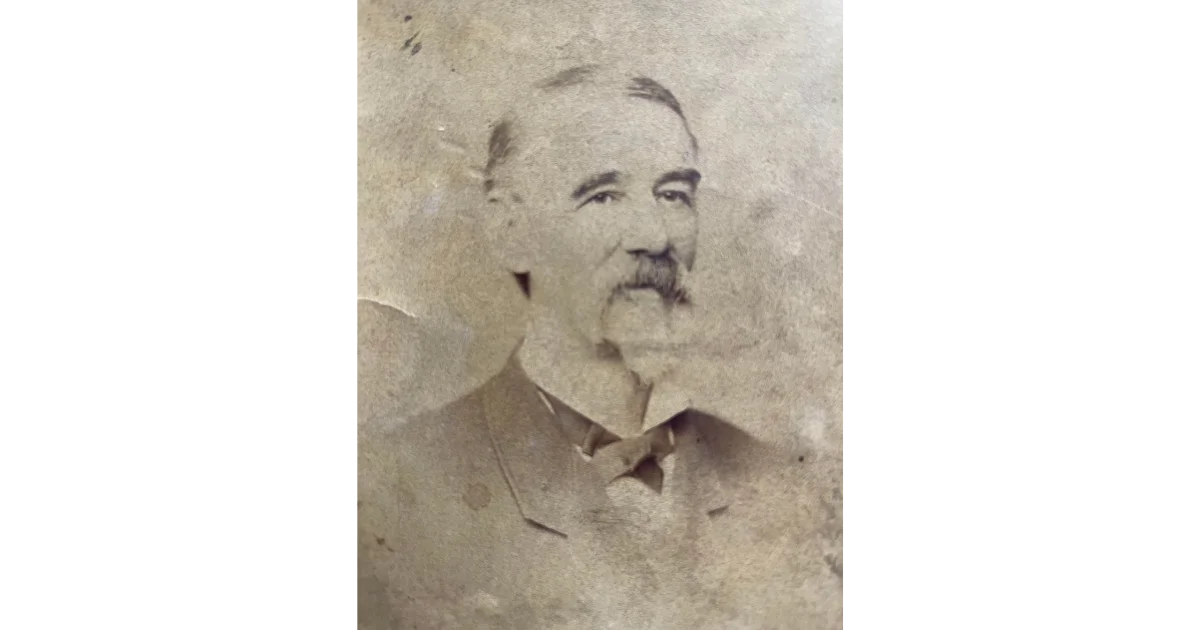
Meet Henry VonPhul
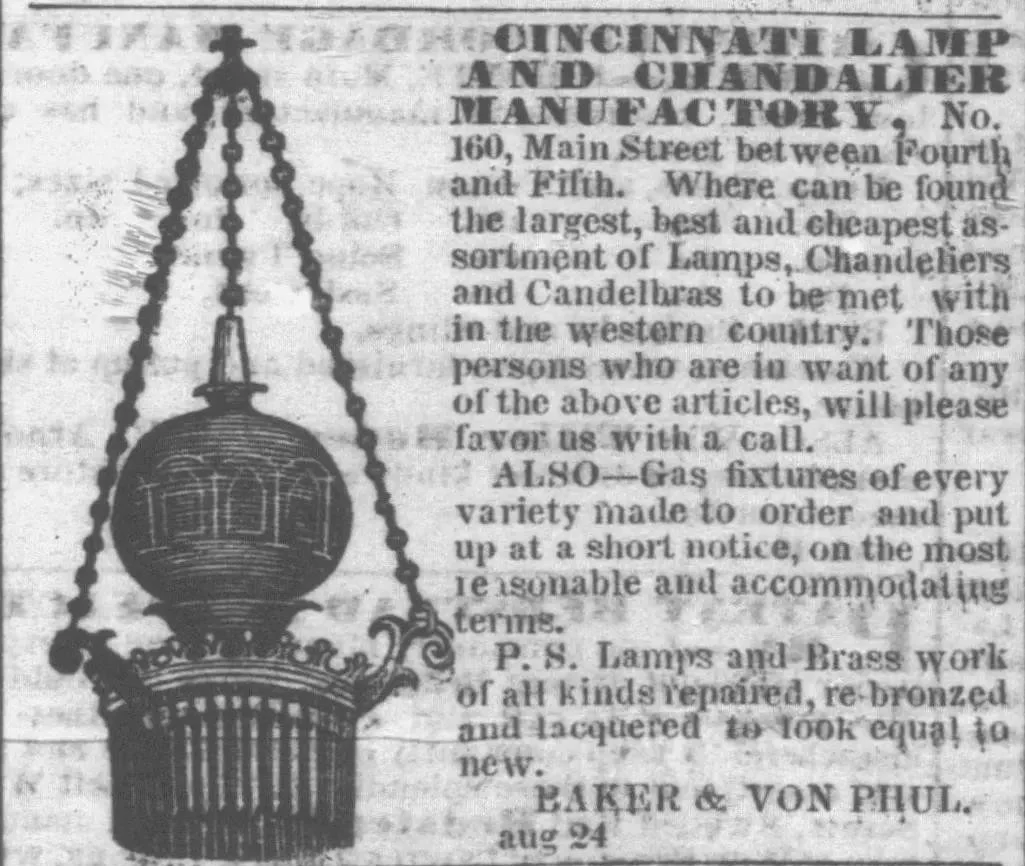
One of my favorite family surnames to search for is VonPhul. Henry VonPhul is my 3x great-grandfather on my dad’s side of the family, and he was exceedingly rich. Henry and his best friend, John Baker, left Philadelphia, Pennsylvania, and arrived in Cincinnati, Ohio, in the early 1840s. There they started a highly successful gas lamp business called Baker and VonPhul.
A Well-Known Cincinnati Family
Henry married Esther Powell in March 1843, and the couple had seven children, six of them growing to adulthood. There are many articles about their lives because they were a well-known family of Cincinnati in the late 1800s. Esther died in 1873, but Henry continued to make news.
The Story I Wasn't Looking For
While researching on NewspaperArchive.com, I stumbled upon a story that most certainly was not common knowledge in any family lore--and boy, was it fascinating.
When Henry Met Ida
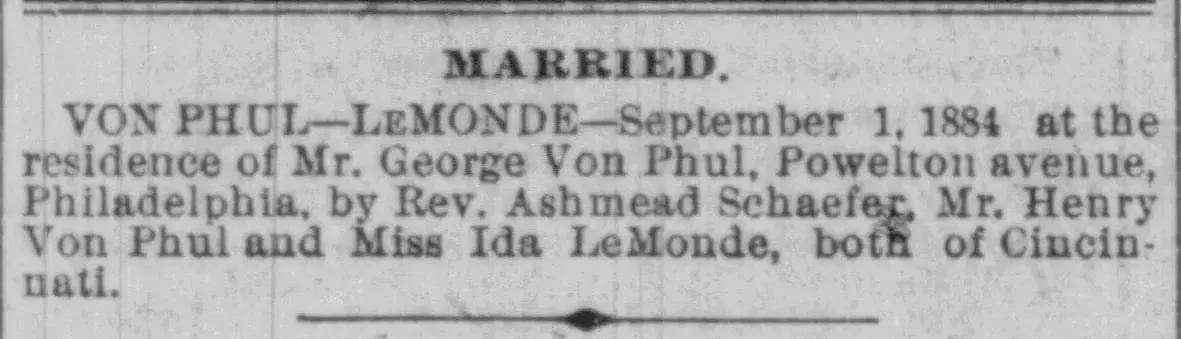
Henry was seventy-two years old when he met Miss Ida LeMonde in 1882. Ida was a 28-year-old school teacher from the Cincinnati area. From all accounts, Henry chased after Miss LeMonde until she finally relented and agreed to a marriage. The couple was wed in Philadelphia on September 1, 1884, at the home of Henry’s brother, George VonPhul.
A Marriage Already Falling Apart
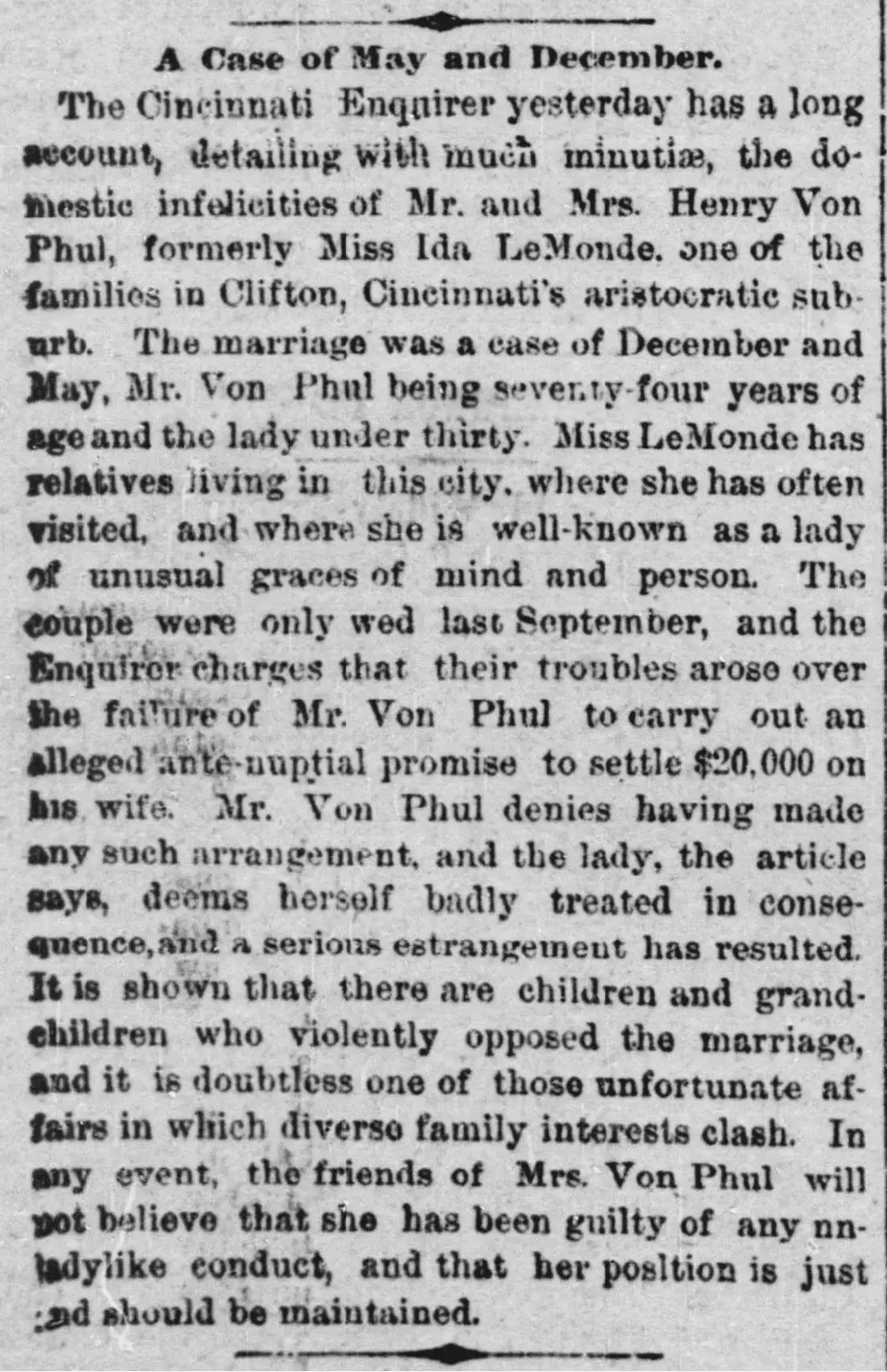
By the start of 1885, the newlyweds were already living apart. In the article “A Case of May and December” from the Indianapolis Journal, it is alleged the couple had an ante-nuptial agreement that was unfulfilled: a promise of $20,000 to the new bride from her bridegroom. I can only imagine the turmoil caused as a result of this union. The newspaper even indicated the “violent opposition” to the marriage by the children and grandchildren of Mr. VonPhul.
The Scandal Splashed Across Cincinnati
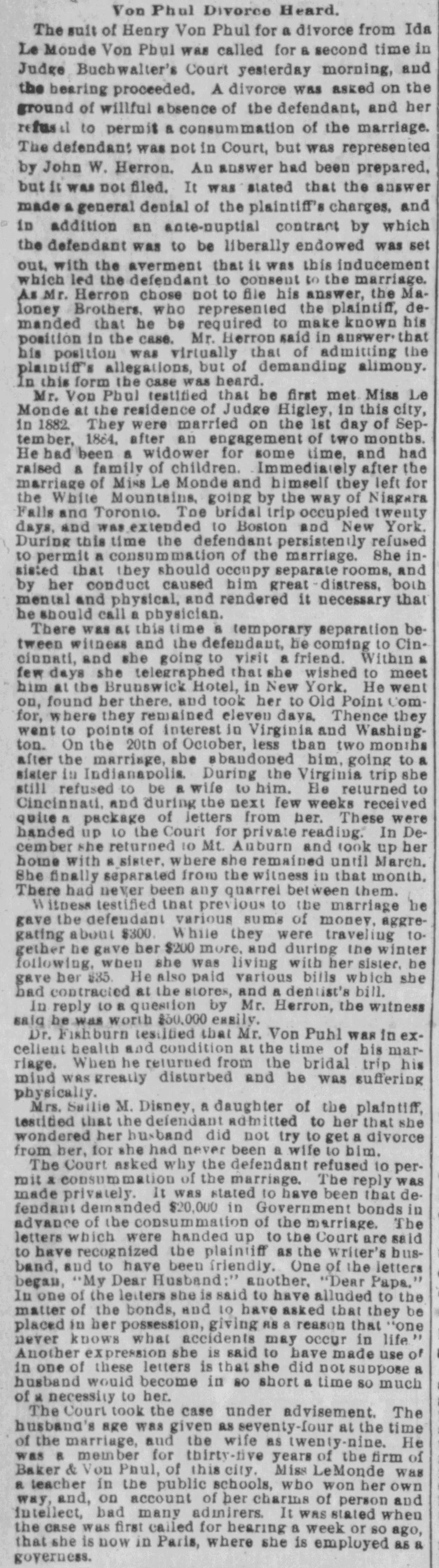
The serious estrangement between husband and wife would continue for a couple of years. By 1887, Henry was seeking a divorce from Ida on two counts: “willful absence of the defendant, and her refusal to permit a consummation of the marriage.”
If you’ve ever tried to track down details like this in newspapers, you know they don’t always show up where you expect—here’s how to find divorce records in newspapers (and what most people miss).
The relationship between the VonPhuls was splashed across newspapers in Cincinnati. Anyone with access to these periodicals could have read all the sordid details.
A Marriage of "Extreme Folly"
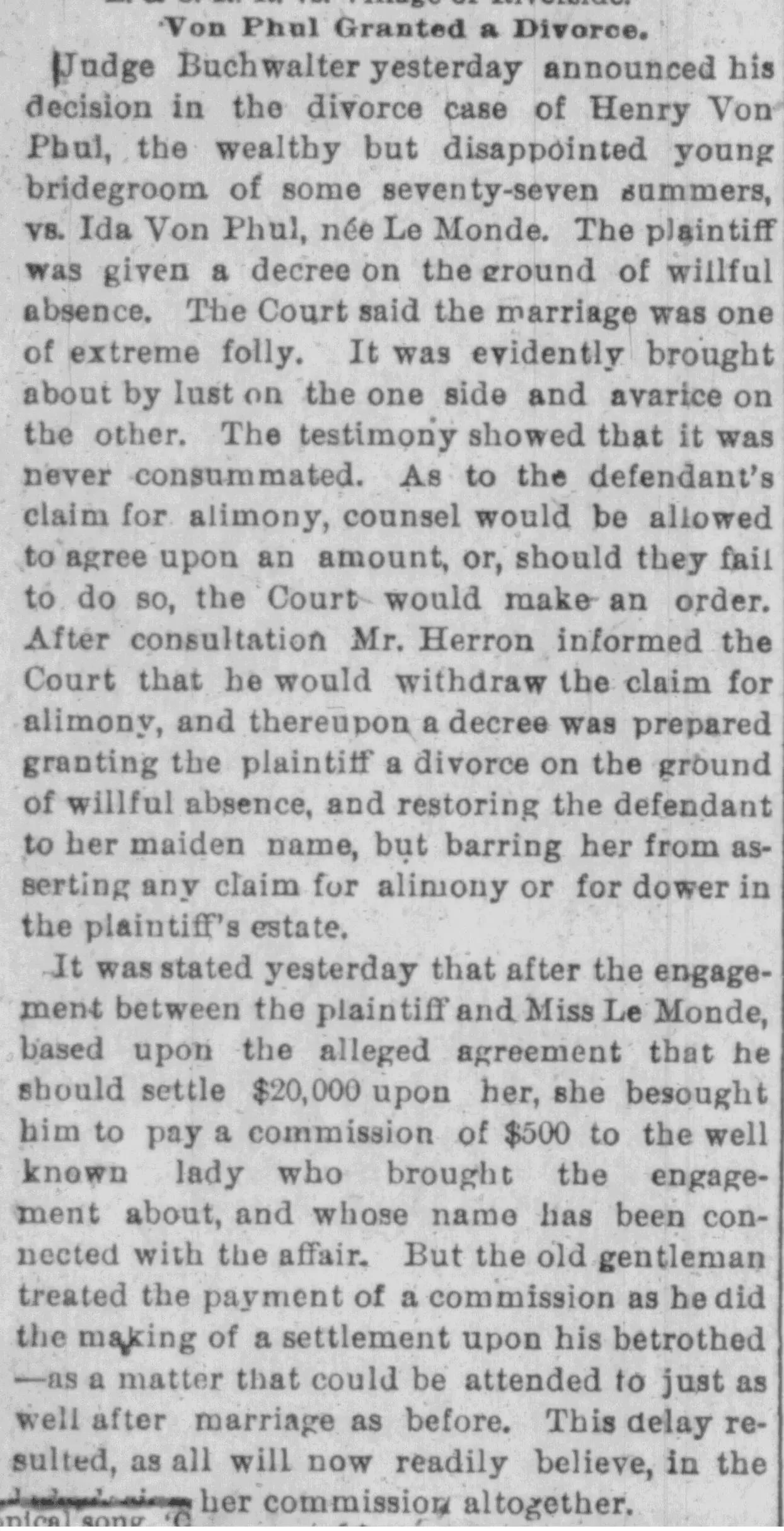
In January 1888, the divorce was finally granted. In the Cincinnati Commercial Gazette, Judge Buchwalter said,“The marriage was one of extreme folly. It was evidently brought about by lust on one side and avarice on the other.” I don’t think any bystander of the time--or today--would disagree with his statement. Ida would get no alimony as a result of the divorce, but she would be given her maiden name back.
Whether or not this was a deep, dark family secret, or nobody bothered to talk about it, and the tale was lost, it is fascinating. It makes an excellent case for the use of newspapers when hunting for our ancestors and their stories. No census record or city directory is going to provide this type of stunning revelation!
And honestly, it makes you wonder what stories are still out there, just waiting to be found.