How to Find Divorce Records in Newspapers (What Most People Miss)
Find divorce records in newspapers with proven tips. Learn where to search, what to look for, and how to uncover details most researchers miss.
Divorce records in newspapers are commonly found in legal notices, court proceedings, and public announcements, but many researchers miss valuable clues in society columns, local news briefs, and small-town papers. Searching name variations, spouse names, and broader timeframes, along with browsing specific locations, can reveal details about divorce proceedings, family relationships, and life changes that are often absent from official records.
Divorce records aren’t always where you expect them to be, and newspapers often hold the details that official records leave out. From legal notices to small-town gossip columns, these clues can completely change your understanding of an ancestor’s life. Once you know where to look, you’ll start seeing divorce stories everywhere.
Where to Find Divorce Records in Newspapers
Divorce-related information appears in several types of newspaper content, not just one obvious place. Knowing these categories is the first step to finding what others miss.
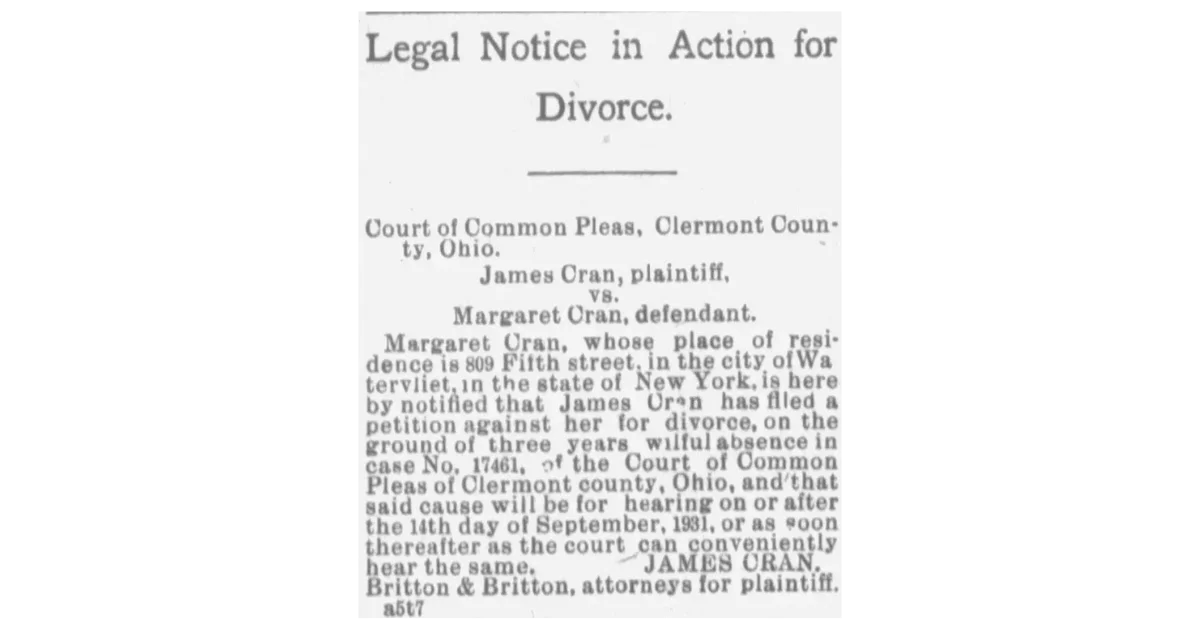
1. Legal Notices and Court Proceedings
These are the most direct sources for divorce records.
Look for:
Divorce filings or petitions
Court summons and hearings
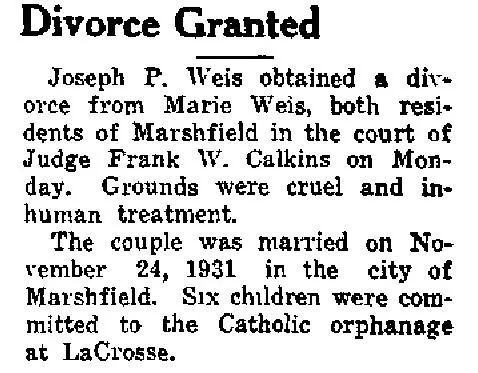
Final decrees or judgments
Search tip: Try keywords like:
“divorce granted”
“petition for divorce”
“vs.” (as in legal cases)
2. Public Notices (Often Overlooked)
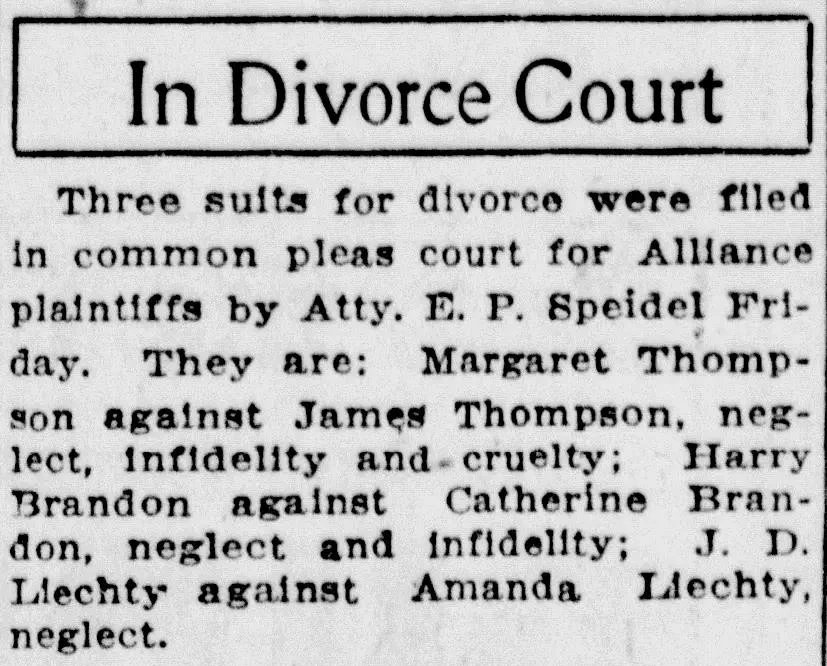
Many divorces required public notice, especially when one party couldn’t be located.
You might find:
Notices to absent spouses
Publication requirements for legal proceedings
Court-ordered announcements
These often include:
Full names
Last known locations
Dates of filing
3. Small-Town Newspapers (Where the Details Live)
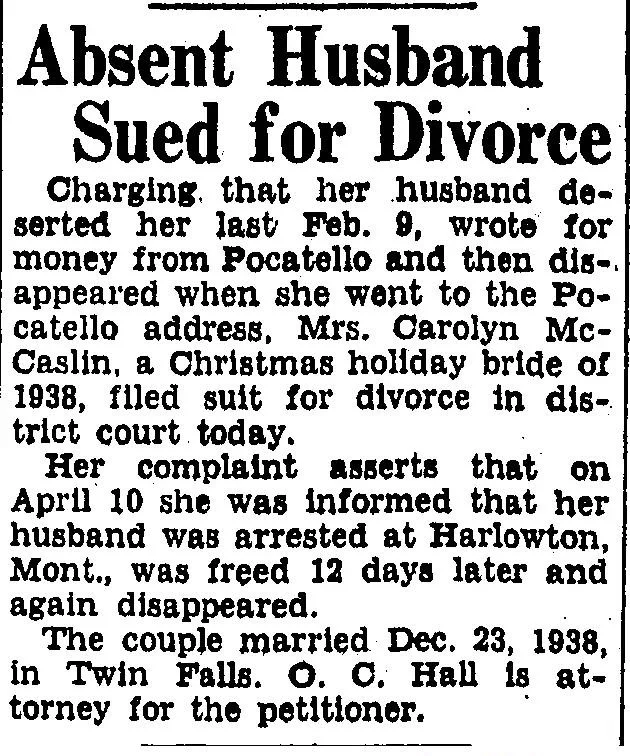
Big-city papers might record the event.
Small-town papers tell the story.
This is where you’ll find:
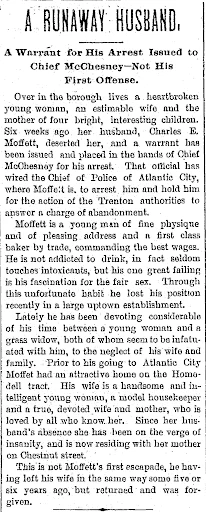
Personal context behind the divorce
Mentions of family members
Community reactions or follow-up details
A short line in a rural paper might reveal:
Why the divorce happened
Where someone moved afterward
Who took custody of children
The Sections Most People Miss
If you’re only searching for “divorce,” you’re missing a huge portion of the story.
Here’s where to look instead:
Society Columns
“Mrs. ___ has returned to her parents’ home…”
“Mr. ___ is now residing in…”
These subtle mentions often signal separation or divorce.
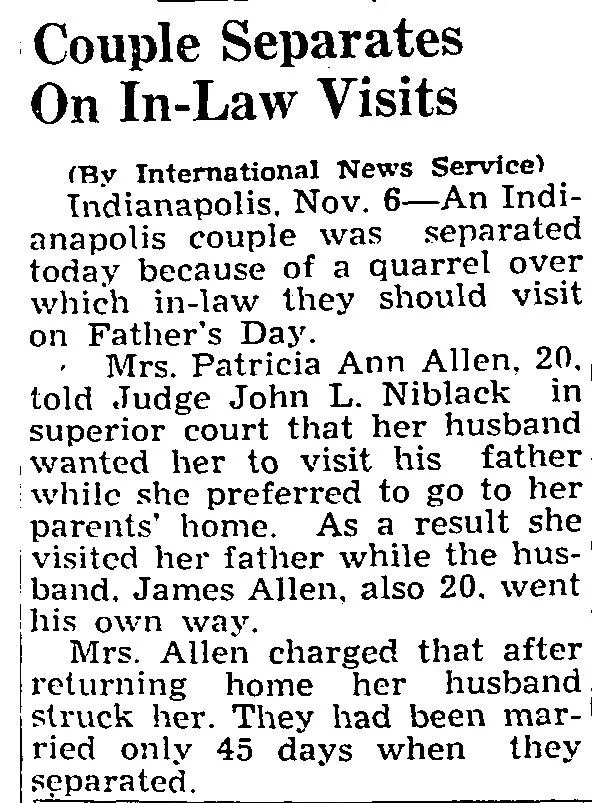
Local News Briefs
Short, one- or two-line updates can contain major clues:
Moves
Family changes
Legal updates
Classified Ads
Sometimes people placed ads related to:
Legal representation
Announcements of separation
Property or financial disputes
Crime and Court Sections
Divorces tied to disputes, abandonment, or legal conflicts often appear here.
Step-by-Step: How to Search Divorce Records in Newspapers
Follow this process to improve your results:
1. Start Broad, Then Narrow
Search full name + “divorce”
Then remove “divorce” and look for context clues
2. Use Name Variants
Try:
Maiden names
Initials
Misspellings
Many of these notices are easy to miss because names aren’t consistent. This guide to searching name variants can help you uncover records you might otherwise overlook.
3. Search the Spouse’s Name
Divorce records often appear under:
The husband’s name
Or as “Mrs. [Husband’s Name]”
4. Focus on a Time Window
Start with known life events
Search 1–5 years around suspected divorce
5. Browse by Location
If search fails:
Go to the newspaper by city
Browse issues manually around likely dates
If you want to see how a single divorce case can uncover an entire family story, read Uncovering a Family Secret: The Kind of Story You Don’t Forget.
Why Newspapers Matter for Divorce Research
Official divorce records can be limited, restricted, or difficult to access.
Newspapers can provide:
Context behind the divorce
Timeline of events
Social and community impact
Clues to next marriages or relocations
In many cases, newspapers are the only place where the story exists, not just the legal outcome.
FAQs About Divorce Records in Newspapers
Are divorce records always published in newspapers?
No. But many were, especially in the form of legal notices or court proceedings.
What years are best for finding divorce records in newspapers?
Most commonly from the 1800s through mid-1900s, when public notices were required.
Why can’t I find my ancestor’s divorce?
Try:
Searching the spouse’s name
Using name variations
Expanding the date range
Checking small-town newspapers
Do newspapers include reasons for divorce?
Sometimes. Small-town papers or detailed court reports may include personal details or accusations.
Are divorce notices easy to search digitally?
Not always. OCR limitations mean you may need to try multiple search strategies or browse manually.
Start Searching Divorce Records in Newspapers
Divorce stories are often hiding in plain sight. You just need to know where to look. Search by name, place, or keyword to uncover details that go far beyond official records.
Start your search on NewspaperArchive and see what you’ve been missing.
Conclusion: What Most People Miss
Divorce records in newspapers go far beyond legal notices. The real value comes from the overlooked sections—society columns, local briefs, and small-town coverage—that reveal the human side of the story. If you expand your search strategy and look beyond obvious keywords, you’ll uncover connections, context, and details that bring your family history to life.