Illinois Newspaper Archives: How to Find Ancestors, Obituaries, and Local History
Search Illinois newspaper archives for obituaries, marriage announcements, and local news that reveal family history details often missing from official records.
Search Illinois newspaper archives for obituaries, marriage announcements, and local news that reveal family history details often missing from official records.
Searching Illinois newspaper archives can reveal the moments your ancestors lived through, documented in real time.
From bustling city life in Chicago to smaller communities like Carbondale and Quincy, newspapers across Illinois captured everything from major events to everyday routines.
If you’re researching family history, Illinois newspapers can help you connect the dots between records and uncover details you didn’t know existed.
Start with a simple search using a name and location. You may uncover details that don’t appear in traditional records.
Quick Answer
Illinois newspaper archives can reveal obituaries, immigration stories, business records, and community news that help track families through cities and small towns alike. To find these details, search by name, occupation, neighborhood, or keywords tied to movement and work, especially in local papers many researchers overlook.
Records You Can Uncover in Illinois Newspaper Archives
Illinois newspapers are rich in both formal notices and informal mentions, offering a wide range of information.
You might find:
Obituaries and death notices with extended family details
Marriage announcements and engagement notices
Birth announcements and milestone events
Immigration and arrival mentions, especially in larger cities
Business ads and employment notices
Legal notices tied to estates, land, and court cases
In urban areas, especially, newspapers often reflect the movement and growth of families over time.
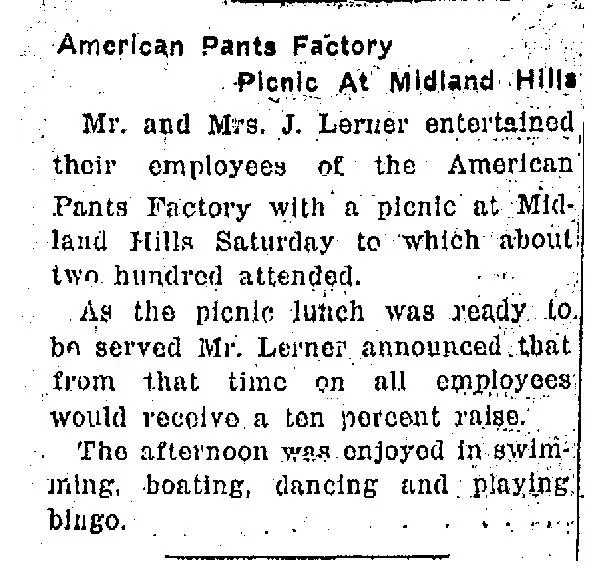
Illinois newspapers frequently reported on factories, businesses, and workplaces, sometimes naming employees, company owners, and community events tied to local industry.
Why Illinois Newspapers Are Especially Valuable for Research
Illinois sits at the crossroads of migration, industry, and expansion, making its newspapers especially informative.
That means:
Major cities and suburbs like Arlington Heights documented immigrant communities and urban life
Smaller towns recorded local families in detail
Industrial growth created frequent employment and business mentions
Newspapers often captured people moving in and out of the state
If your ancestors passed through Illinois or settled there, newspapers may hold key clues.
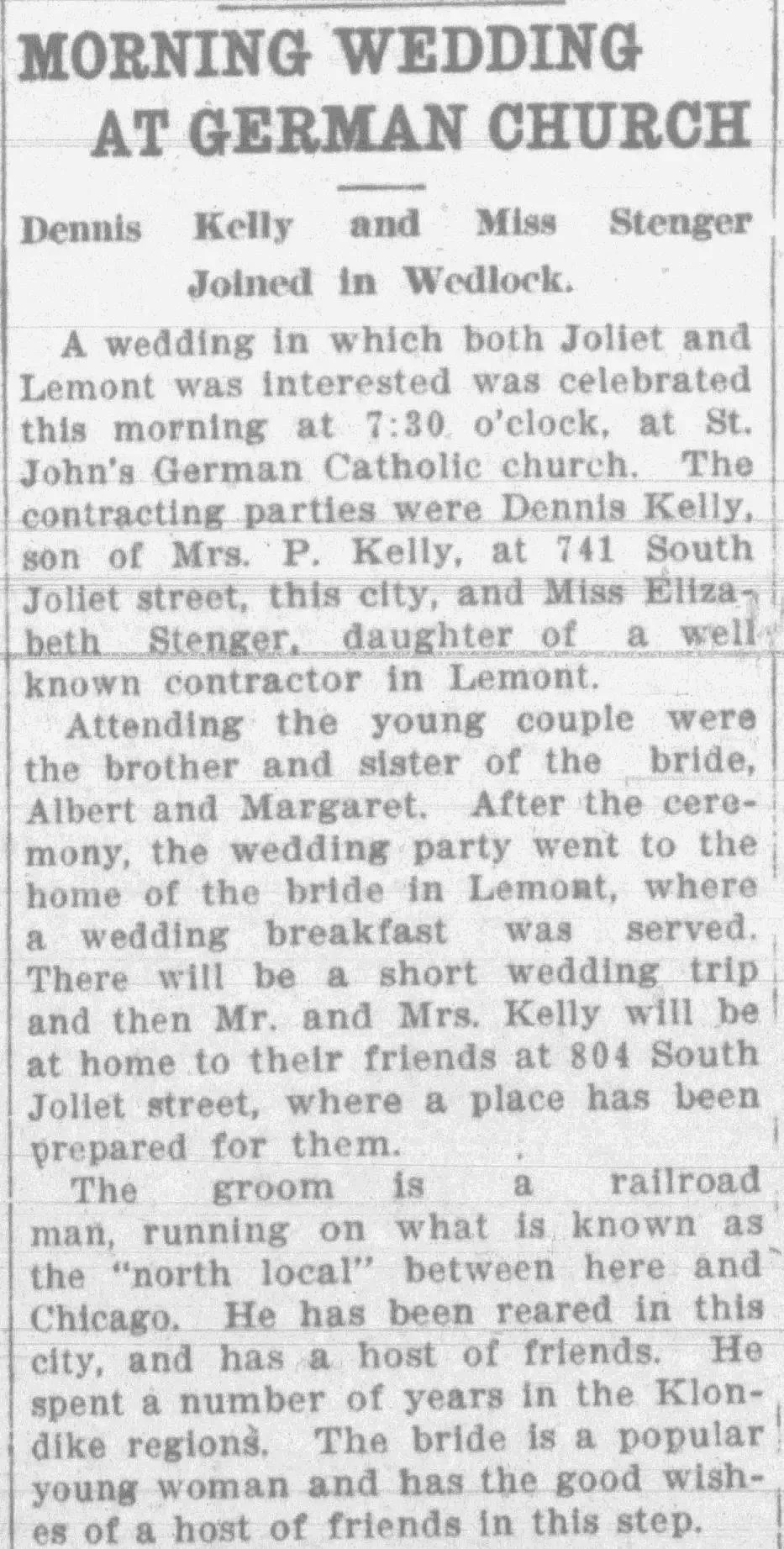
Newspapers serving immigrant communities often included wedding announcements, church events, and neighborhood news that connected families, occupations, and local life.
The Importance of Small-Town Illinois Newspapers
While cities and suburbs like Chicago Heights offer broad coverage, smaller communities like Decatur, Alton, and Freeport often captured more detailed, personal updates. These local papers frequently mentioned residents by name, tracking visits, events, and everyday life.
With NewspaperArchive’s extensive collection of small-town newspapers, these harder-to-find details are often just a search away.
Search Strategies That Work Well in Illinois Newspapers
Illinois research benefits from a mix of broad and targeted search techniques.
Search for Occupations and Workplaces
Try combining a name with:
a job title
a factory or company name
a trade or skill
This is especially useful in cities like Chicago.
Use Ethnic or Community Keywords
In urban areas, consider adding:
nationality (e.g., “Polish,” “German”)
neighborhood names
church affiliations
These can help narrow down results in large populations.
Look for Legal and Public Notices
Don’t skip:
probate notices
court cases
land transactions
These often include names, relationships, and locations.
Search Around Major Life Events
Try searching:
a few years before and after a marriage
during known moves
around employment changes
Newspapers often fill in the gaps between official records.
Exploring Illinois by Location
Where you search in Illinois can make a big difference in what you find.
Larger cities and suburbs like Chicago Heights and Arlington Heights offer:
Extensive coverage
Diverse communities
Frequent mentions in multiple sections
Mid-sized cities like Moline and Bloomington often provide:
A balance of local and regional news
More consistent mentions of families
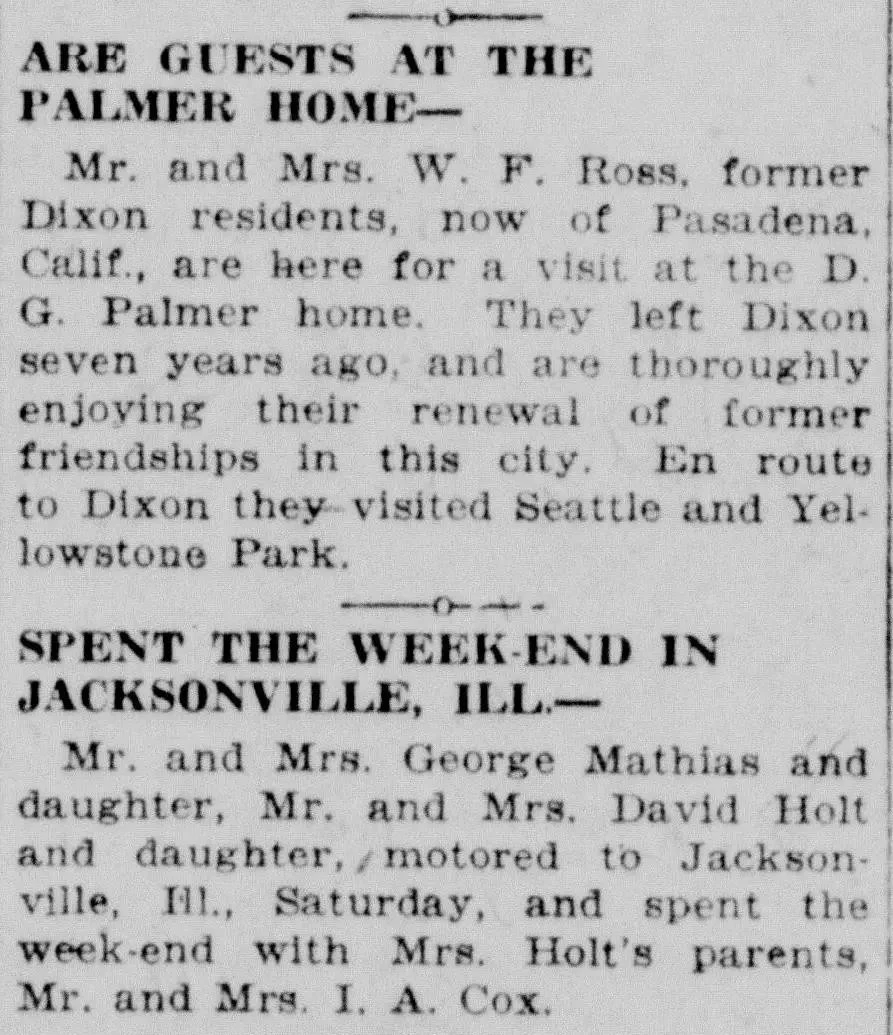
Smaller towns and rural areas like Jacksonville and Mount Carmel may include:
Detailed social notes
Personal updates
Community-focused reporting
Exploring multiple locations can give you a more complete view of your ancestor’s life.
One Detail Can Connect the Whole Story
An Illinois newspaper might include a short notice about a worker changing jobs or a family relocating within the city.
It may seem routine, but that one mention can:
Link a person to a specific place and time
Reveal an occupation or employer
Explain a move that wasn’t documented elsewhere
These small details often provide the missing pieces in your research.
FAQs About Illinois Newspaper Archives
Where can I access Illinois newspaper archives online?
You can search digitized Illinois newspapers through platforms like NewspaperArchive, which offers access to millions of pages from across the state.
Are Illinois newspapers helpful for genealogy research?
Yes. Illinois newspapers include obituaries, community news, and public notices that often provide details not found in official records.
What time periods are covered in Illinois newspaper archives?
Coverage varies by location, but many Illinois newspapers date back to the 1800s and extend into the 20th century.
Begin Your Search in Illinois Newspaper Archives
Illinois newspapers capture the movement, growth, and daily lives of the people who lived there.
Search Illinois newspaper archives by name, place, or keyword to uncover stories, connections, and details that bring your research into focus.
If you’re looking to go beyond basic records, searching Illinois newspaper archives can help you uncover stories, connections, and context that bring your family history into focus.