How Newspapers Covered the Roaring Twenties
From jazz age headlines to prohibition-era raids, explore how American newspapers captured the cultural revolution of the 1920s through their front pages.
Newspapers from the 1920s offer a real-time window into the energy and tension of the Roaring Twenties, capturing everything from Prohibition raids and bootlegging scandals to the rise of jazz and shifting roles for women. By exploring headlines, editorials, and everyday reporting, you can see how Americans reacted to rapid social change as it unfolded. When researching this era, look beyond major events—local papers, entertainment sections, and opinion pieces often reveal the most vivid details about how people actually lived, celebrated, and struggled during this transformative decade.
The 1920s Through Newspaper Headlines
The Roaring Twenties were a period of dramatic social change, economic prosperity, and cultural innovation in America. Newspapers of the era served as both chroniclers and critics of these sweeping transformations, providing us with a vivid, real-time account of one of history's most dynamic decades.
Through NewspaperArchive's extensive collection, we can read these stories exactly as Americans experienced them — fresh off the press, full of the excitement, controversy, and wonder that defined the age.
Prohibition: America's Great Experiment
When the 18th Amendment took effect on January 17, 1920, newspapers across the country covered the event with a mixture of celebration and skepticism. Headlines ranged from triumphant declarations of a new moral era to wry predictions of its inevitable failure.
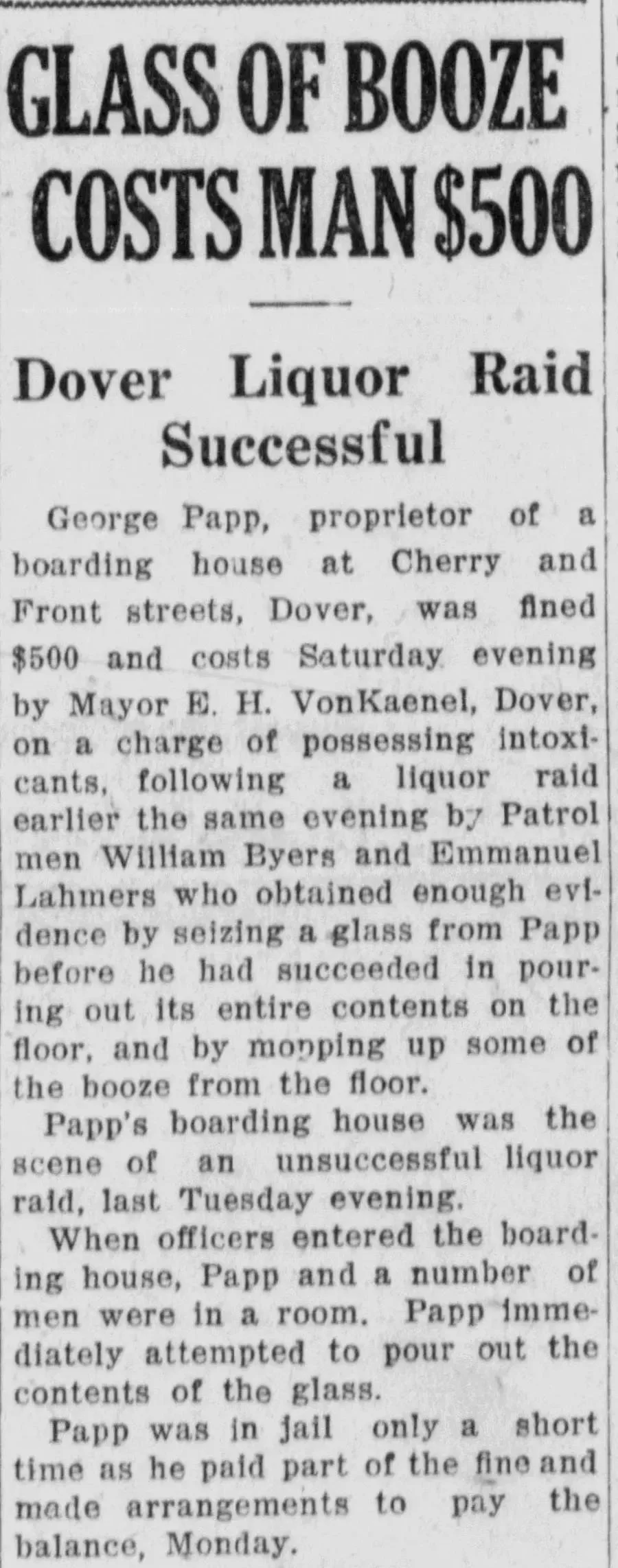
As prohibition continued, newspapers became essential chroniclers of the speakeasy culture, bootlegging operations, and the rise of organized crime. Front-page stories about raids, arrests, and the colorful characters of the underground liquor trade filled daily editions throughout the decade.
The Jazz Age in Print
Jazz music's explosive growth was extensively documented in newspapers, though not always favorably. Many papers initially covered jazz with alarm, publishing editorials that warned of its "corrupting influence" on youth. Entertainment sections, however, eagerly promoted jazz performances and the celebrities of the era.
The coverage of jazz in newspapers reflects the broader cultural tension of the 1920s — a nation caught between traditional values and modern sensibilities.
Why Small-Town Newspapers Tell a Different Story of the 1920s
While major city newspapers captured the headlines of the Roaring Twenties, small-town papers reveal how these changes actually played out in everyday life.
In smaller communities, coverage often felt more personal and immediate. Instead of just reporting on national trends like Prohibition or jazz, local papers showed how those trends affected real people—neighbors, shop owners, and families.
You might find:
Local arrests tied to Prohibition enforcement
Community reactions to jazz dances or new fashions
First-time women voters in small precincts
Social columns documenting who attended events, traveled, or hosted gatherings
These details bring the decade into sharper focus, showing not just what happened—but how it was experienced across the country.
This is where NewspaperArchive stands out. Its deep collection of small-town newspapers makes it possible to move beyond national narratives and uncover the local stories that defined the 1920s for everyday Americans.
Women's Suffrage and the New Woman
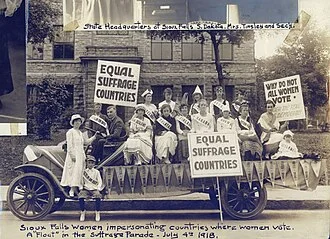
The ratification of the 19th Amendment in 1920 generated extensive newspaper coverage. Papers documented women voting for the first time, the political campaigns that courted the new female electorate, and the broader changes in women's roles throughout the decade.
Conclusion: Seeing the 1920s as It Was Lived
Newspapers from the 1920s don’t just tell us what happened. They show us how it felt to live through a decade of rapid change. From Prohibition crackdowns and jazz debates to shifting roles for women, each article captures a moment in time as people experienced it. By exploring both major headlines and local coverage through NewspaperArchive, you can move beyond broad history and uncover the real, lived stories of the Roaring Twenties—one page at a time.
Frequently Asked Questions
What types of 1920s newspapers are available in NewspaperArchive?
NewspaperArchive includes thousands of newspapers from the 1920s, ranging from major metropolitan dailies like The New York Times to small-town weeklies. This breadth provides both national and local perspectives on the era.
How did newspapers cover the stock market boom?
Financial pages in the 1920s grew dramatically as stock speculation became a national pastime. Newspapers published daily market reports, investment tips, and profiles of Wall Street personalities, creating a paper trail that leads directly to the crash of 1929.