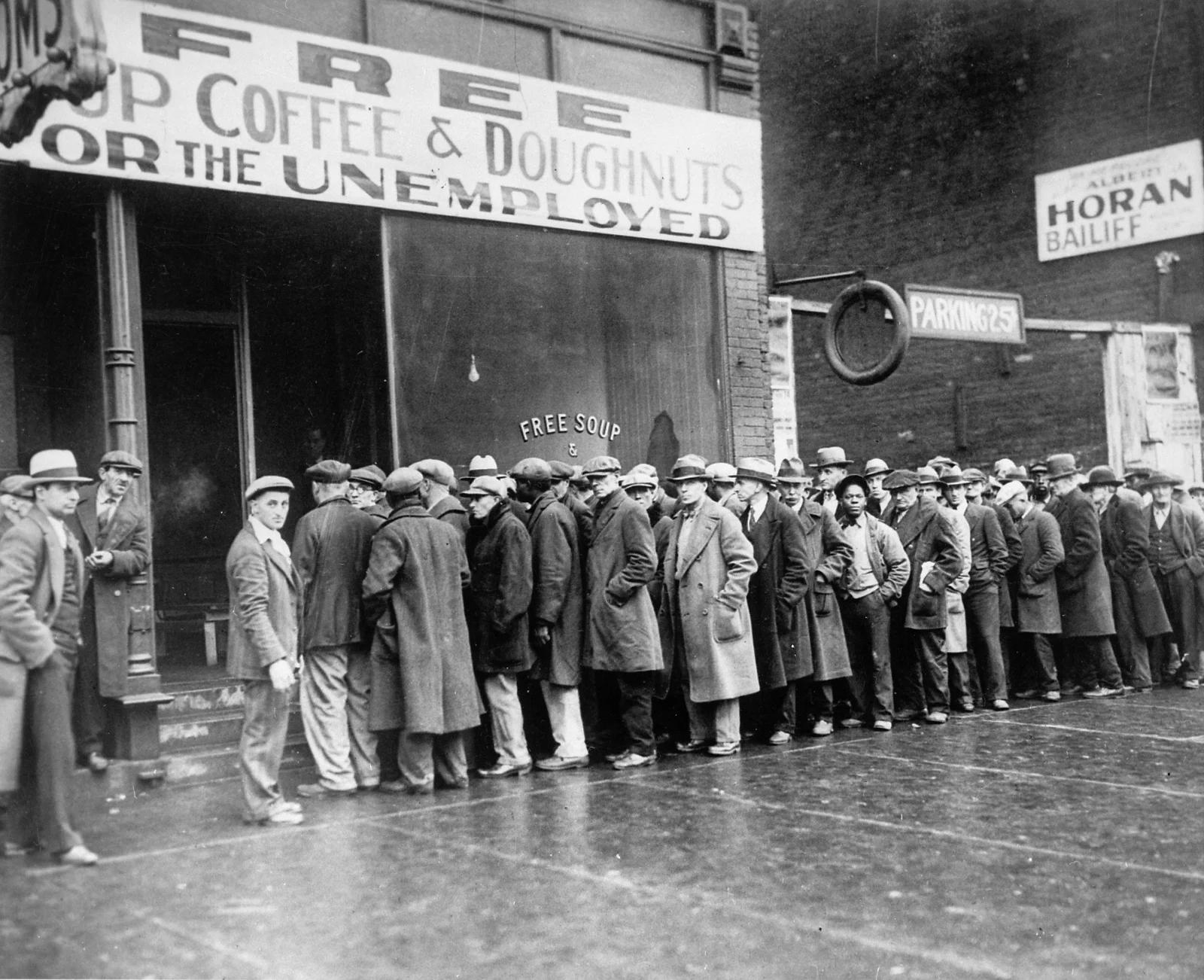
What Life Was Like in the 1930s (According to Newspapers)
What was life like in the 1930s? Explore the Great Depression, New Deal programs, and everyday life through newspapers from the decade your grandparents were born into.
Life in the 1930s was defined by the Great Depression, with unemployment, financial hardship, and government relief programs shaping everyday life. Newspapers from the decade show how families adapted through work programs, local opportunities, and changing economic conditions.
If your parents, grandparents, or even great-grandparents were born in the 1930s, this is the world they entered.
Newspapers from the decade show clearly how families lived, worked, and adjusted during one of the most difficult periods in modern history.
The Great Depression—A Story That Never Leaves the Page
If you search newspapers from the early 1930s, one thing becomes immediately clear:
The story isn’t a single headline.
It’s everywhere.
Unemployment reports
Bank closures
Relief efforts
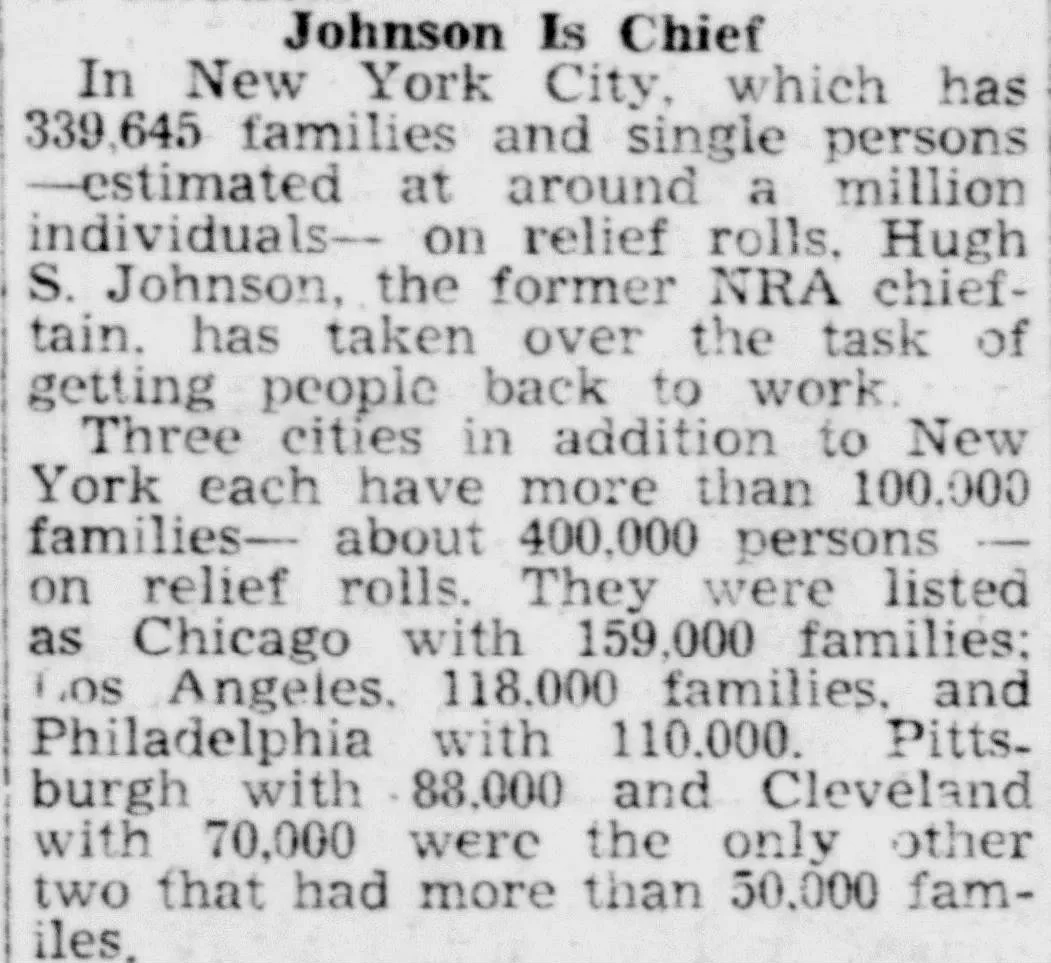
Example from a 1935 newspaper:
“In New York City… estimated at around a million individuals—on relief rolls… has taken over the task of getting people back to work.”
The Great Depression wasn’t just reported. It shaped everyday life.
New Deal Programs in Real Time
By the mid-1930s, newspapers began reflecting something new:
Action.
Programs tied to the New Deal appear again and again:
Civilian Conservation Corps (CCC)
Works Progress Administration (WPA)
Public Works Administration (PWA)
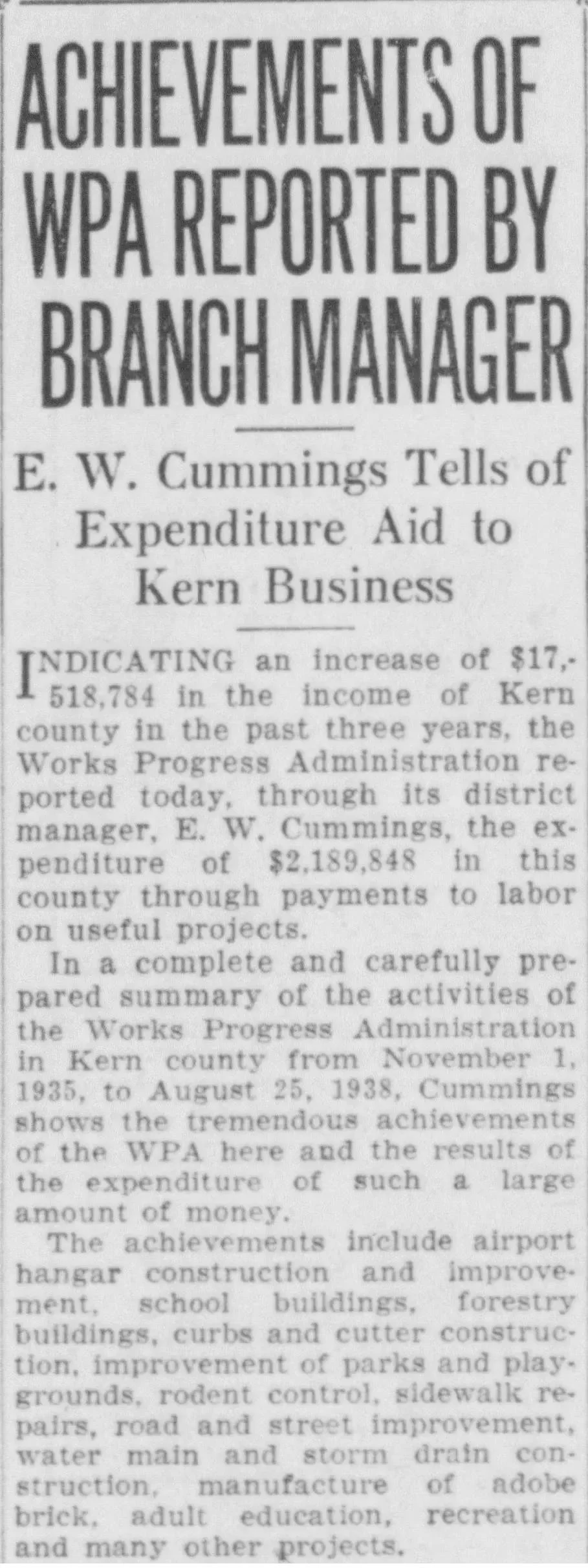
Example from a 1938 newspaper:
“The achievements include airport hangar construction… school buildings… improvement of parks and playgrounds… road and street improvement… and many other projects.”
These programs weren’t distant policies.
They were local and immediate.
Dust, Drought, and Displacement
In certain regions, another story builds across the decade:
The Dust Bowl.
Crop failures
Dust storms
Families leaving
Example from a 1935 newspaper:
“Lost in a dust storm, [they] spent a night in the shelter of a dirt-clogged fence.”
This wasn’t a single event.
It was something people lived through repeatedly.
Crime, Notoriety, and National Attention
The 1930s also carried stories that spread quickly across the country:
Bank robberies
Arrests
Ongoing investigations
Example from a 1932 newspaper:
“Three bandits… opened the safe… with an explosion which wrecked the vault and aroused the town.”
These stories connected communities and kept readers following closely.
What Things Cost: Prices, Pay, and Everyday Life
Advertisements reveal what daily life actually looked like:
Rent prices
Wages
Food costs
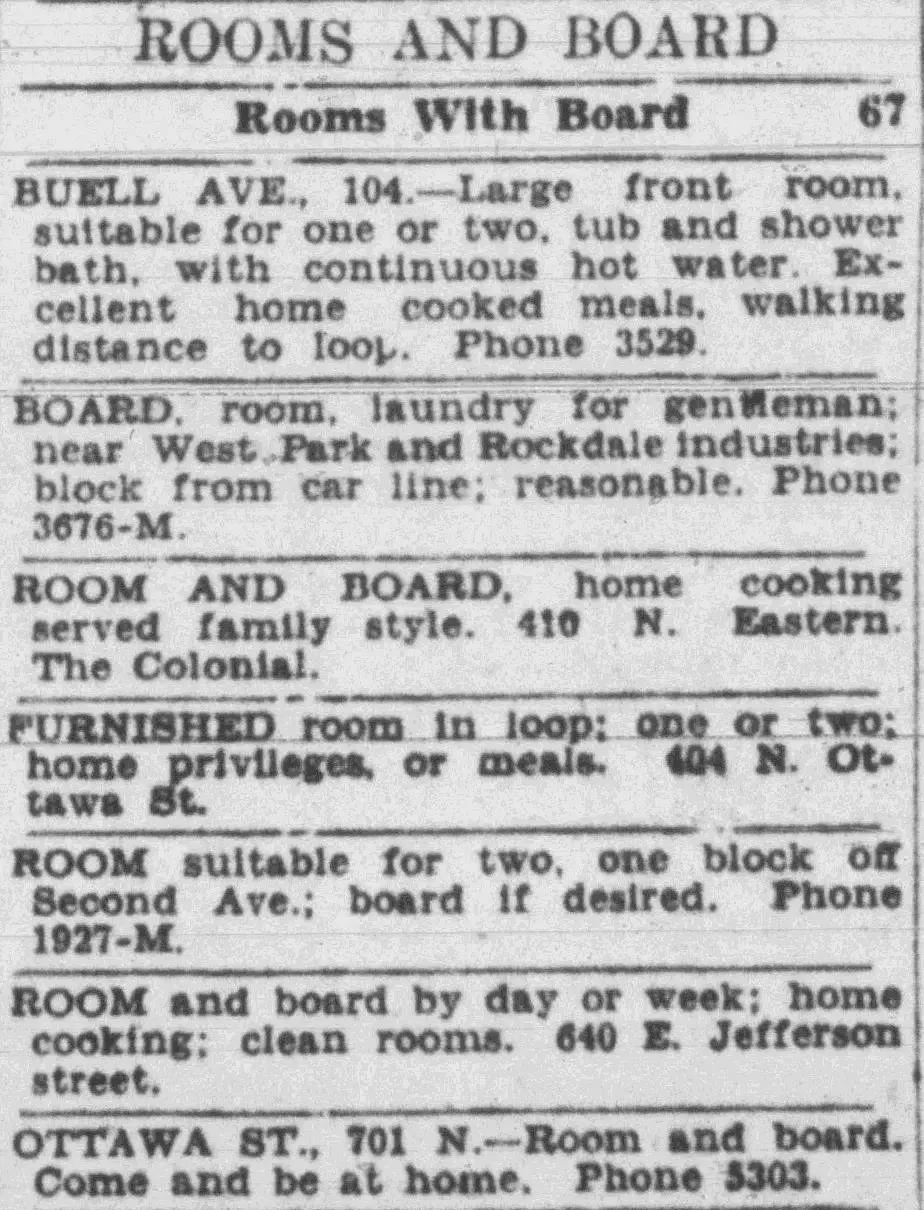
Example from a 1930 newspaper:
“Large front room… with continuous hot water… excellent home-cooked meals… walking distance to loop.”
Simple wording.
But powerful context.
Advertisements & Classifieds: Decisions in Progress
This is where everyday life becomes visible.
People trying to move forward:
Selling belongings
Looking for work
Relocating
Example from a 1938 classified section:
“Will take four to share expenses.”
These are moments of transition.
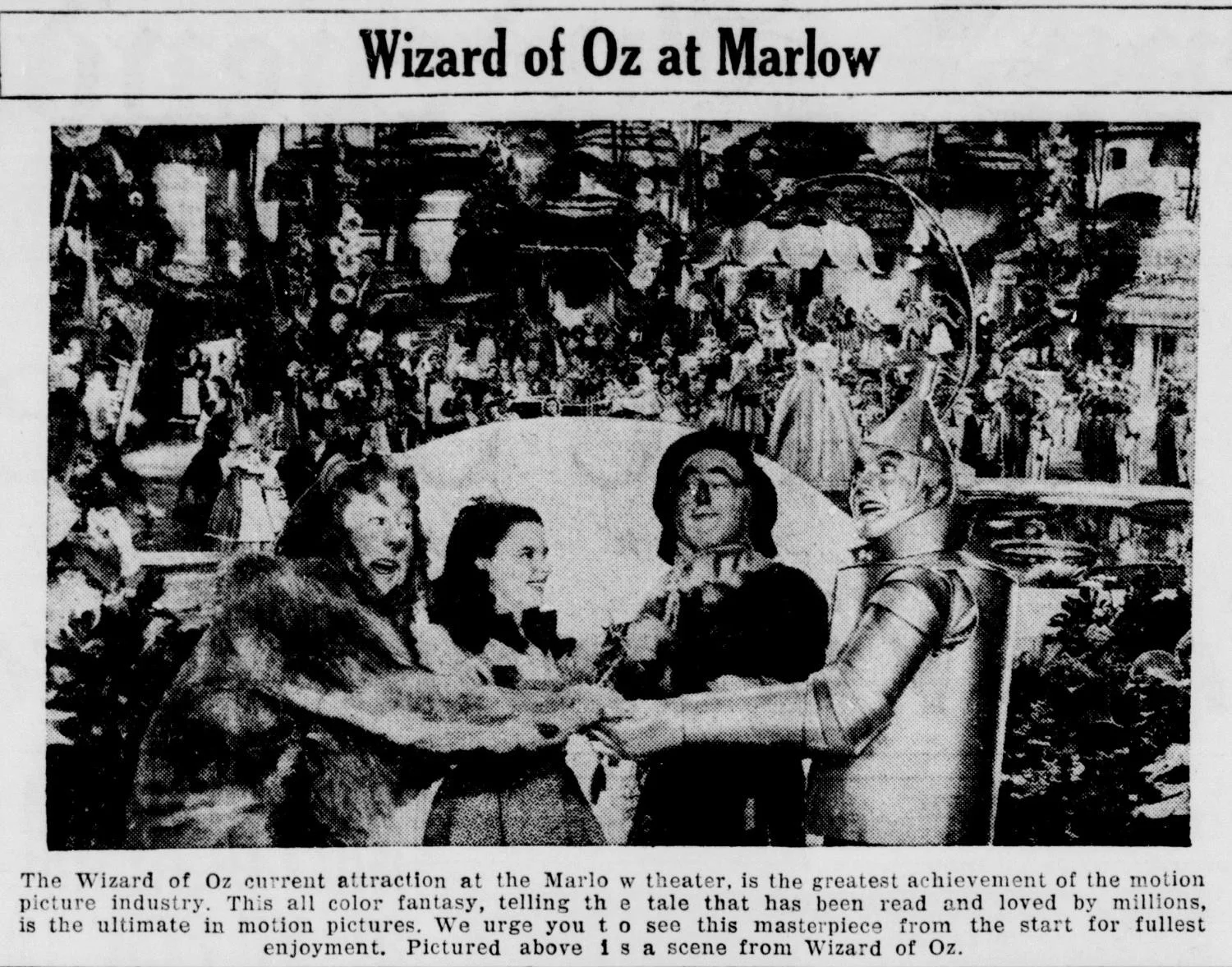
Entertainment During the 1930s
Even during hardship, entertainment remained important:
Movie listings
Radio schedules
Theater programs
Example from a 1939 newspaper:
“This all color fantasy… is the ultimate in motion pictures.”
Entertainment offered a break from daily challenges.
How the Decade Changes Over Time
One of the most powerful patterns in newspapers is change.
Early 1930s: Crisis and uncertainty
Mid-1930s: Adjustment and government programs
Late 1930s: Signs of stability
The shift is gradual but visible.
Why Small-Town Newspapers Matter
Big headlines tell you what was happening.
Small-town newspapers tell you who it happened to.
This is where you’ll find:
Children, parents, and families named in everyday moments
Illnesses, injuries, and life events recorded in real time
Small but meaningful details that never appeared anywhere else
Example from a 1933 small-town paper:
“Dickie Schmidt, 3 year old son of Mr. and Mrs. Ivan Schmidt, fell and broke his collar bone last week.”
That one line captures an entire story.
That’s what makes NewspaperArchive so valuable. Its deep small-town coverage helps you connect history to real people.
How This Helps You Understand Your Family History
If your parents or grandparents were born in the 1930s, newspapers give you context records alone can’t.
They help you see:
What your family may have experienced
What opportunities existed
How communities responded
This is how history becomes personal.
Frequently Asked Questions About Life in the 1930s
What was life like in the 1930s?
Life in the 1930s was shaped by the Great Depression, with widespread unemployment, financial hardship, and government relief programs affecting everyday life.
What was the Great Depression like for families?
Many families faced job loss, reduced income, and major lifestyle changes, often relying on relief programs and community support.
What kinds of jobs did people have in the 1930s?
Jobs were often unstable, with many people relying on temporary work, government programs like the WPA, or local opportunities.
How do newspapers help with 1930s family history research?
Newspapers provide details about daily life, including jobs, prices, and local events, helping you understand the environment your ancestors lived in.
Final Thoughts
The 1930s don’t read like a single story.
They read like accumulation.
A job lost.
A program introduced.
A family adjusting.
And over time, those pieces connect.
Not as distant history.
But as the world your family was born into.
Start Your Own Search
If you want to see what your family’s world looked like in the 1930s, try searching for a name, a town, or even a street.
You may find:
A job listing
A mention in a local column
A detail that changes what you know
Start exploring with NewspaperArchive and see what was recorded in real time.