The Evolution of the American Front Page: 1800s to Today
From dense columns of text to bold headlines and photographs, discover how American newspaper front pages evolved over two centuries and what they reveal about our changing culture.
American newspaper front pages have evolved from dense, advertisement-heavy layouts in the early 1800s to the bold, visual, news-driven designs we recognize today. The rise of the penny press shifted focus to human interest and breaking news, while the era of yellow journalism introduced eye-catching headlines and dramatic storytelling. By the early 1900s, photography transformed front pages into powerful visual records of history. Exploring these changes through newspaper archives reveals not just how news was presented, but what mattered most to people in each era.
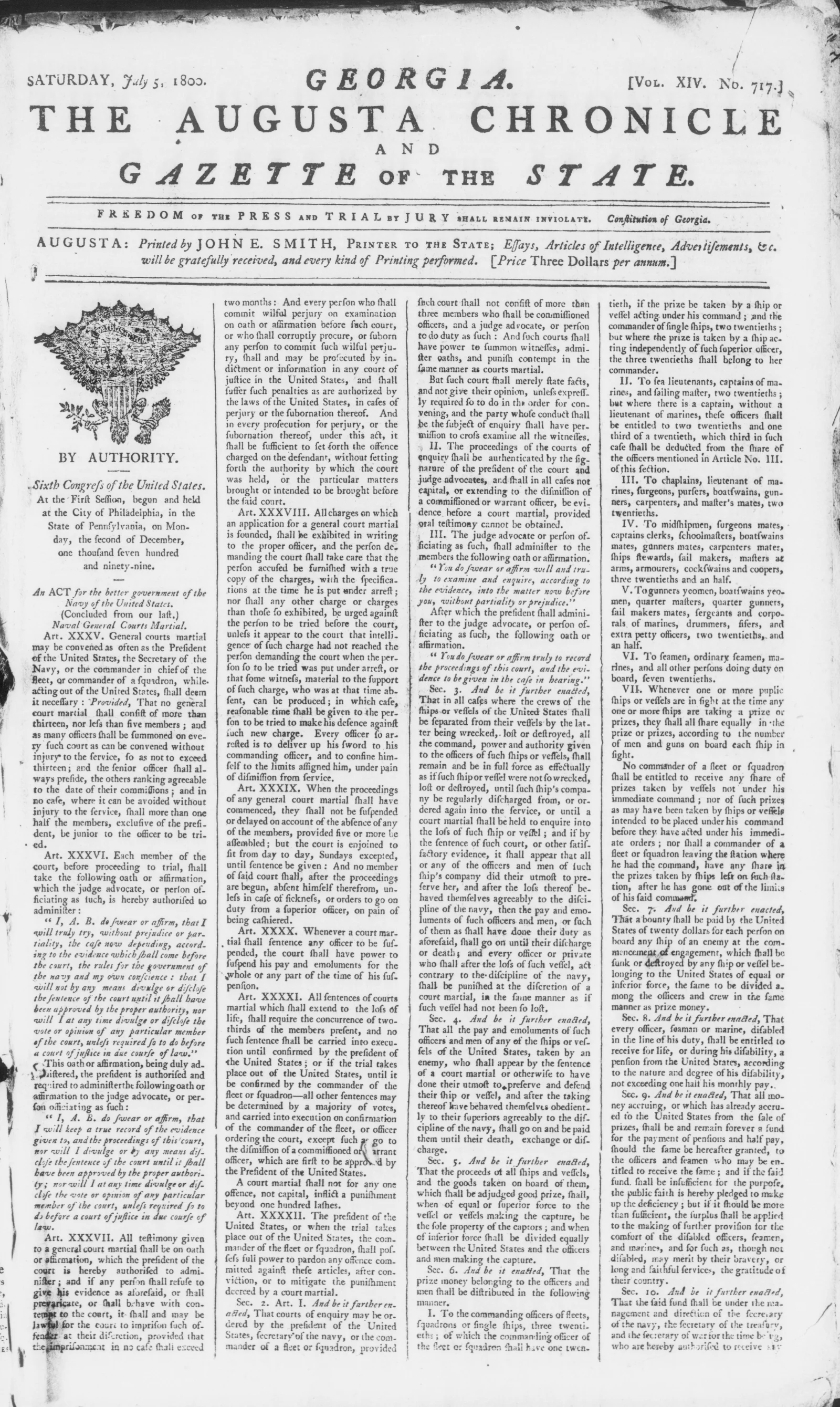
The Early American Front Page
In the early 1800s, American newspaper front pages looked nothing like what we recognize today. They were dense walls of text, typically filled with advertisements, shipping schedules, and government notices rather than news stories. The concept of "breaking news" on the front page didn't emerge until later in the century.
These early front pages, preserved in NewspaperArchive's collection, offer fascinating insights into the priorities and daily lives of early Americans. What a newspaper chose to place on its front page tells us as much about the era as the content itself.
The Penny Press Revolution
The 1830s brought a revolution in American journalism with the rise of the "penny press." Papers like Benjamin Day's New York Sun (founded 1833) and James Gordon Bennett's New York Herald (founded 1835) transformed the front page by prioritizing sensational news stories, human interest pieces, and crime reports over dry commercial notices.
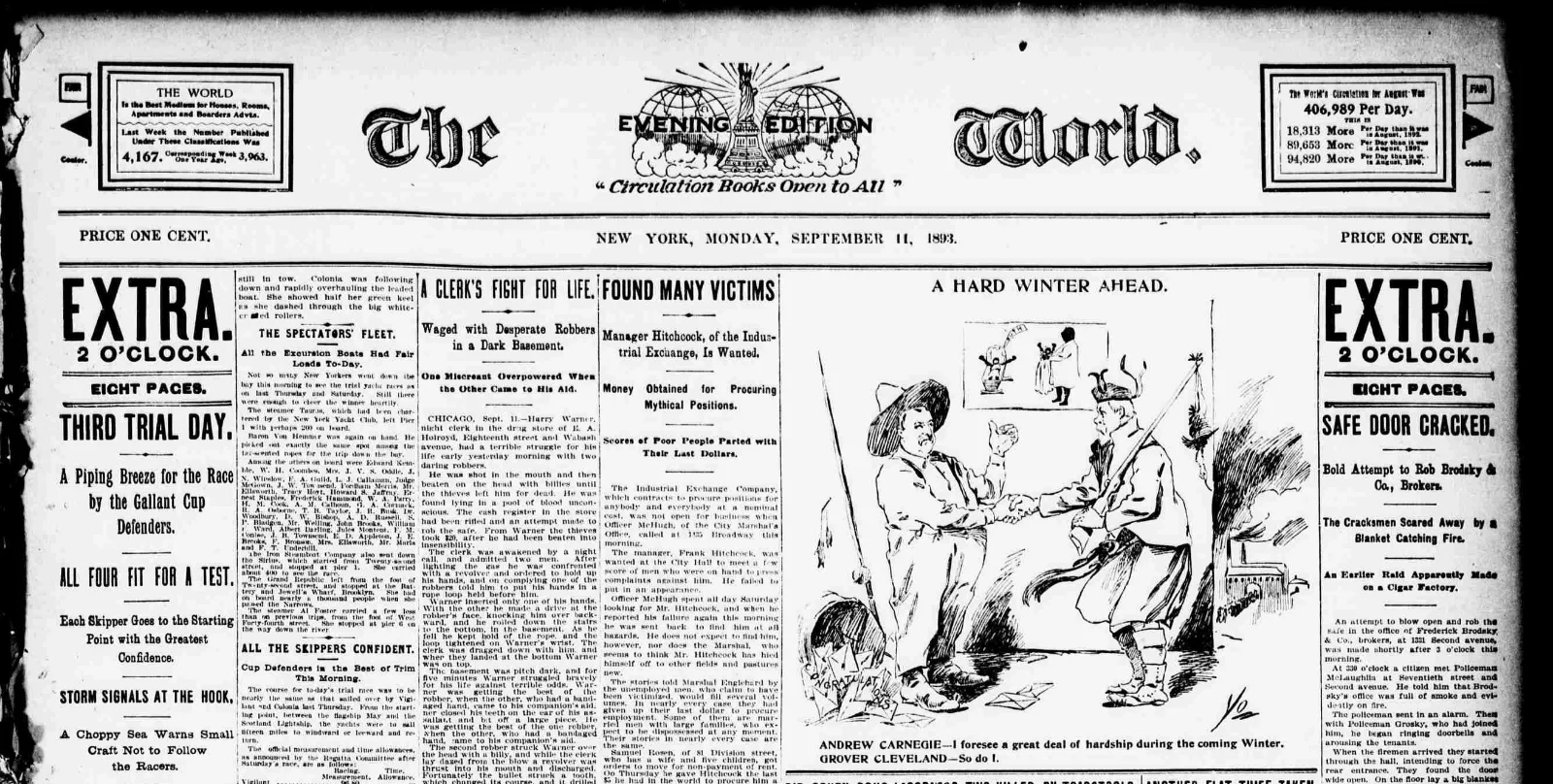
The Yellow Journalism Era
By the 1890s, the front page had become a battleground. Joseph Pulitzer's New York World and William Randolph Hearst's New York Journal competed for readers with increasingly bold headlines, dramatic illustrations, and sensational stories. This era gave us many of the front-page conventions we still recognize today.
The Photo Age
The introduction of halftone photography in the late 1800s and its widespread adoption in the early 1900s transformed front pages yet again. Photographs added a powerful new dimension to storytelling, and front-page photos became iconic cultural artifacts.
You can see these changes in action—see these changes in action during the Roaring Twenties.
How Small-Town Newspapers Shaped the Front Page
While major city newspapers drove many of the innovations in front-page design, small-town papers followed a different path—one that was often more practical and community-focused.
In smaller publications, the front page wasn’t always about sensational headlines or national competition. Instead, it reflected what mattered most to local readers. Even as trends like bold headlines and photographs spread, small-town front pages often continued to feature:
Local announcements, legal notices, and community updates
Personal news about residents, businesses, and events
A mix of advertisements and local stories sharing space on page one
Slower adoption of dramatic layouts seen in larger cities
This creates a valuable contrast. While urban papers show how journalism evolved at scale, small-town newspapers reveal how those changes were adapted—or sometimes resisted—at the local level.
This is where NewspaperArchive stands out. Its extensive collection of small-town newspapers allows you to compare front pages across regions and communities, giving you a fuller picture of how news was presented and consumed over time.
Conclusion
From text-heavy beginnings to bold, visual storytelling, the American front page reflects how news—and the people reading it—have changed over time. Explore these historic front pages for yourself in NewspaperArchive and see how the story unfolds.
Frequently Asked Questions
When did newspapers start using photographs on front pages?
While halftone printing technology was developed in the 1880s, photographs didn't become common on front pages until the early 1900s. The New York Daily News, launched in 1919, was one of the first papers to make photography central to its front page.
Can I see original front pages in NewspaperArchive?
Yes! NewspaperArchive preserves original page images, allowing you to see front pages exactly as they appeared when published. This includes the original layout, advertisements, illustrations, and typography.