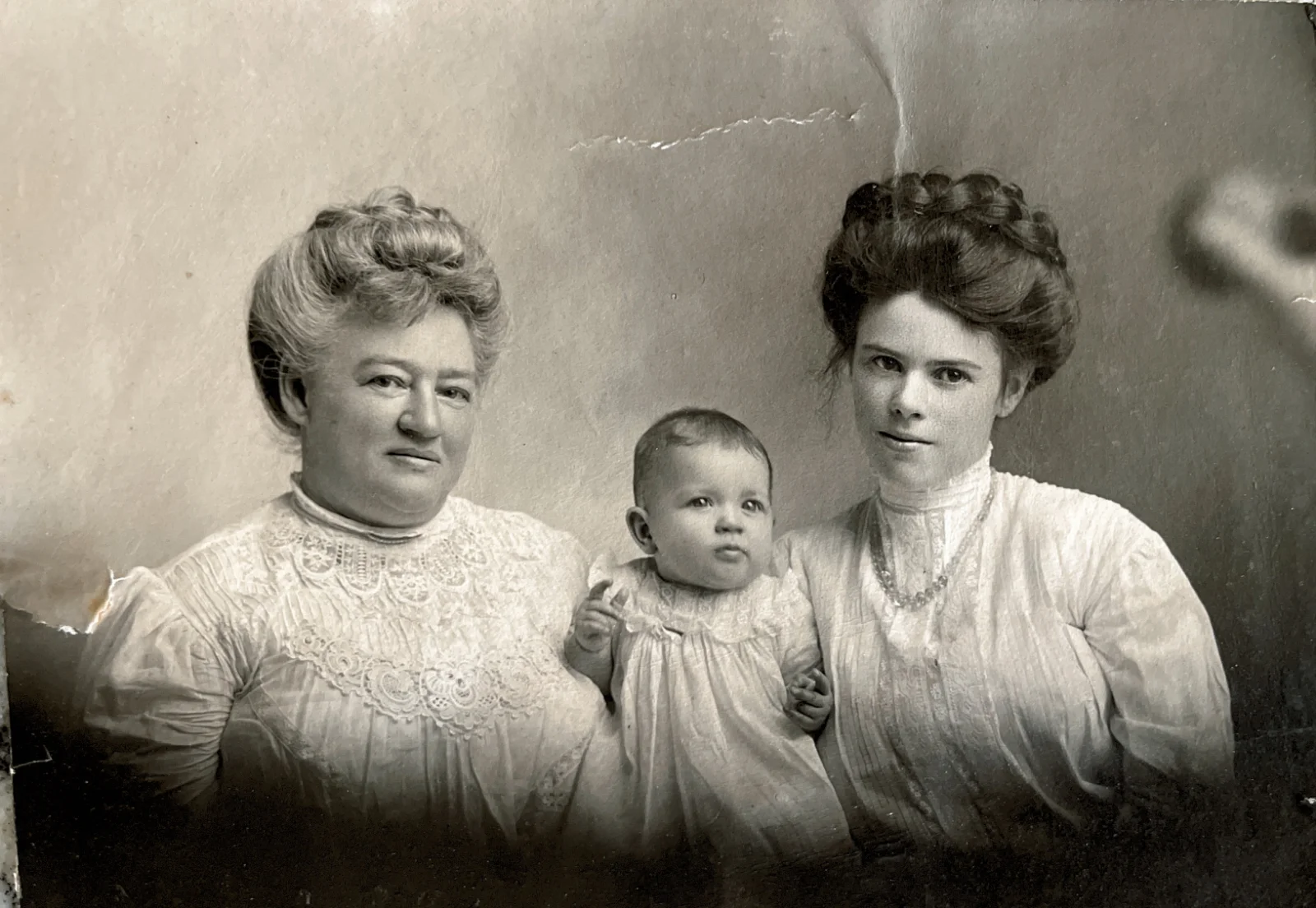
How to Find Your Grandmother’s Story in Old Newspapers (Step-by-Step Guide)
Discover how to find your grandmother’s story in old newspapers. Learn to uncover obituaries, marriage notices, and hidden details that bring her life to light.
Old newspapers are one of the best ways to reconstruct your grandmother’s life because they captured everyday moments often missing from official records. By searching her name (including maiden and married variations), focusing on key life events like obituaries and marriage announcements, and exploring social columns and local news sections, you can uncover details about her relationships, community involvement, and daily life. These articles often reveal names, places, and stories that connect generations and help you piece together a fuller, more personal family history.
For many families, the details of a grandmother’s life can feel just out of reach, with names half-remembered, places uncertain, stories that were never fully told.
You may have heard a few memories passed down over the years. But there is always more to her story—moments, milestones, and connections that were never written down in family records.
That’s where old newspapers come in.
Long before social media and digital records, newspapers captured the everyday lives of ordinary people. From weddings and school events to club meetings and community news, these pages preserved the small but meaningful moments that made up a person’s life.
If you want to begin piecing together your grandmother’s story, newspapers are one of the most powerful places to start.
Quick Answer: How Do You Find Your Grandmother in Newspapers?
To find your grandmother in old newspapers, search her name (including maiden and married names), look for key life events like marriage or obituary notices, explore social columns, and focus on newspapers from the places she lived. These records can reveal details, relationships, and stories not found anywhere else.
If you’re not sure where to begin, try a simple name search in NewspaperArchive. You may be surprised at what appears.
Why Grandmothers Can Be Harder to Research
Researching female ancestors often comes with unique challenges.
Last names change after marriage
Records may list them under a husband’s name
Their lives were often documented in social sections rather than headlines
Because of this, your grandmother may not appear where you expect—but she is there.
Newspapers frequently recorded her life in ways that official documents did not.
Step-by-Step: How to Research Your Grandmother in Newspapers
Start With What You Know
Begin with the basics:
Full name (include maiden name if possible)
Approximate dates (birth, marriage, death)
Places she lived
Even small details can guide your search in the right direction.
Search for Her Name—And Variations
Try different versions of her name:
Maiden name
Married name
Initials (e.g., “Mrs. J. Smith”)
Newspapers often used formal or abbreviated naming styles, especially for women.
Look for Major Life Events
Start with the records most likely to appear in newspapers:
Obituaries
Birth announcements
Graduation notices
These often include names of relatives, locations, and details that lead to new discoveries.
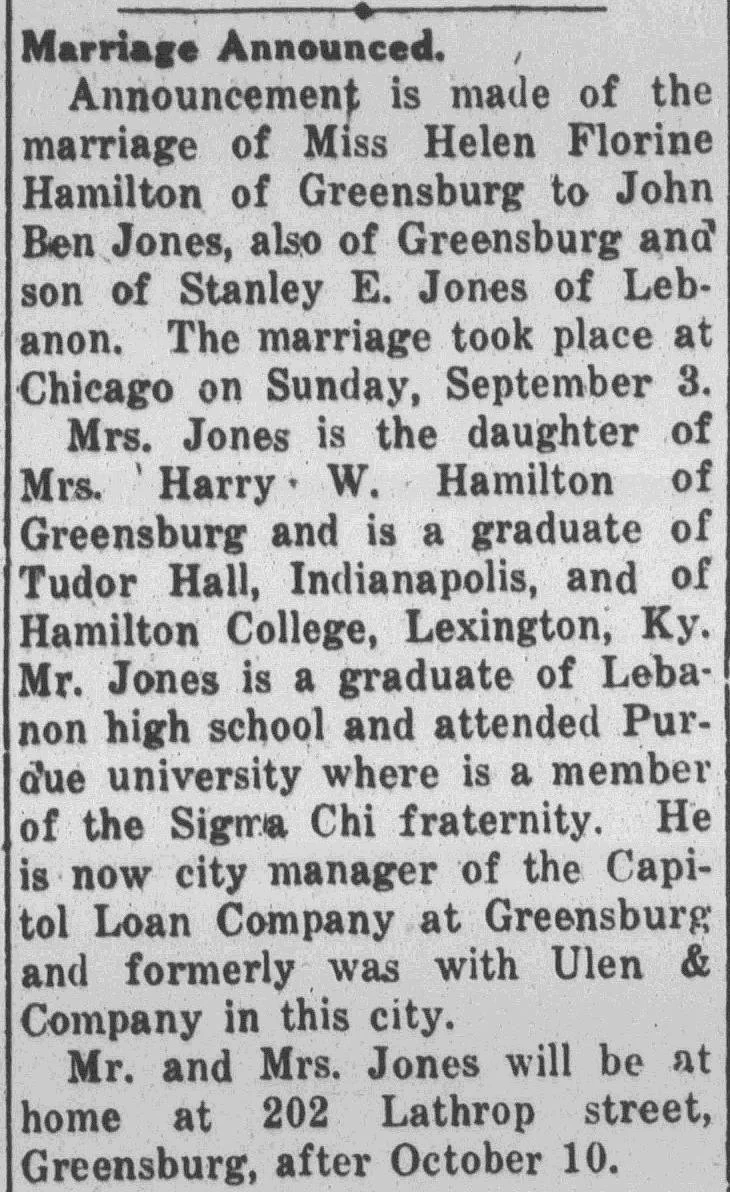
Don’t Skip the Social Columns
Some of the richest details appear in places many researchers overlook.
Look for:
“Personals” or “Local News” sections
Club meetings and community events
Travel notes and visits with relatives
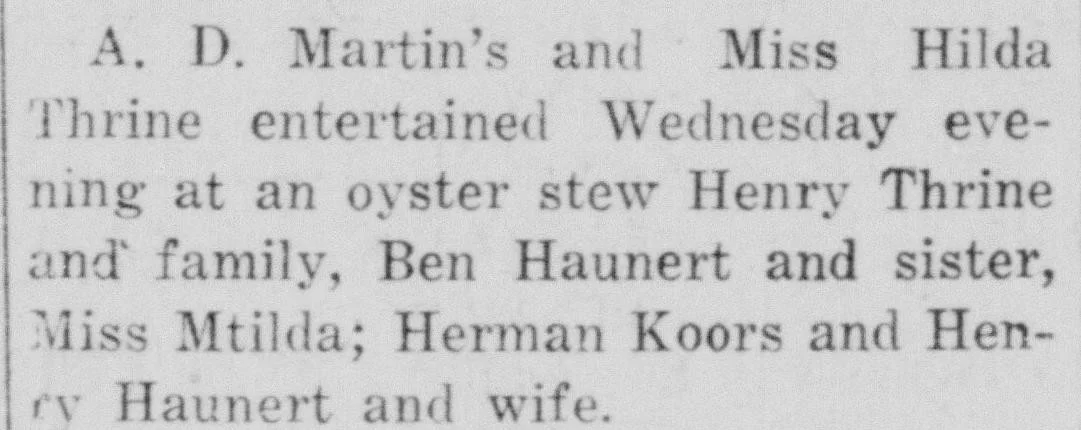
You might find entries like:
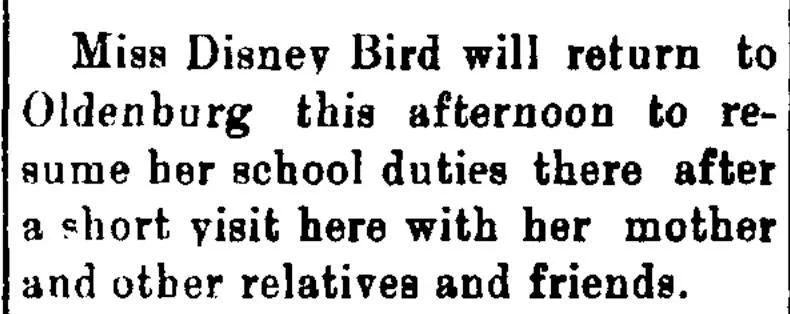
A small mention like this can reveal:
Family relationships
Locations
Social circles
Why Small-Town Newspapers Matter for Family History
Some of the most meaningful details about your grandmother’s life won’t be found in large city papers. They’re often hidden in small-town newspapers.
Local papers recorded the everyday moments that shaped a person’s life: visits with relatives, church events, school achievements, community gatherings, and even brief mentions in social columns. These small notices can reveal relationships, locations, and personal details that don’t appear in official records.
NewspaperArchive’s extensive collection includes thousands of small-town newspapers, making it easier to uncover these overlooked stories. By searching local papers from the places your grandmother lived, you can often find the details that bring her story into focus. One small mention at a time.
Follow the Names You Discover
Every name you find is a new lead.
An obituary might list siblings.
A wedding announcement might name attendants.
A social column might mention neighbors or relatives.
Each one opens the door to more articles—and a fuller picture of her life.
What You Can Discover About Your Grandmother in Newspapers
Old newspapers can reveal far more than dates:
Birth and wedding announcements
School achievements and graduations
Club memberships and community involvement
Church activities
Travel and visits with family
Local business connections
Personal milestones and celebrations
In some cases, you may even find feature articles about her work, volunteer efforts, or role in the community.
What These Discoveries Really Mean
A grandmother’s story isn’t just a list of facts.
It’s a collection of moments:
A wedding announcement naming her closest friends
A school honor showing her achievements
A short social note capturing a visit with family
These details bring her life into focus—not just who she was, but how she lived.
What to Do After You Find a Newspaper Clipping
When you discover something new, take the next step:
Save the article
Transcribe the details
Record names, dates, and places
Add it to your family tree
Use it to begin writing her story
Each clipping becomes a building block in understanding her life.
Start Finding Your Grandmother’s Story Today
Your grandmother’s life was lived in moments that mattered—many of them recorded in the pages of old newspapers.
Start your search today on NewspaperArchive and uncover the names, stories, and connections that bring her story back to life—one article at a time.
Frequently Asked Questions
What is the best way to search for a grandmother in old newspapers?
Start with her full name, then try variations including her maiden name, married name, and initials. Focus on newspapers from the places she lived and search for key life events like marriage announcements, obituaries, and social mentions.
What kinds of information can I find about my grandmother in newspapers?
You may find birth and marriage announcements, school achievements, club memberships, travel notes, and obituaries. These details often reveal relationships, locations, and everyday moments that don’t appear in official records.
Why can it be harder to find female ancestors in newspapers?
Women often appear under different names throughout their lives, especially after marriage. They may also be listed under a husband’s name or included in social columns rather than headlines, which makes searching more challenging but not impossible.