
5 Tips for Finding Obituaries in Historical Newspapers
Expert strategies for locating and interpreting obituaries in historical newspaper archives for genealogical research.
Obituaries in historical newspapers are some of the richest sources for family history, often revealing relationships, life events, and personal details not found in official records. To find them effectively, search multiple name variations, widen your date range, and check more than one newspaper—especially in places where your ancestor lived or had family. Don’t rely only on obituary sections; death notices can appear in classifieds, social columns, or church news. Once you find a match, use details like relatives, locations, and occupations to confirm you’ve found the right person and build a more complete picture of their life.
Why Obituaries Matter for Family Research
Obituaries are arguably the most information-rich records available to genealogists. A single obituary can contain birth and death dates, marriage information, children's names, siblings, parents, occupation, church membership, military service, and migration history. Learning to find and interpret these records effectively can transform your family research.
Tip 1: Search Multiple Name Variations
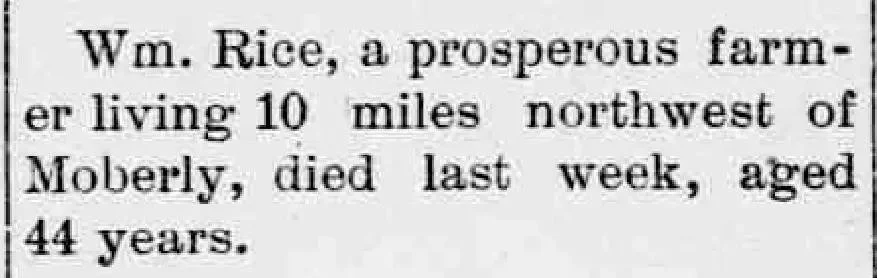
Historical newspapers were set by hand, and names were frequently misspelled or abbreviated. If you're searching for "William," also try "Wm.," "Will," and "Bill." For surnames, consider common phonetic variations — "Smith" might appear as "Smyth," and "Johnson" as "Johnston."
Tip 2: Expand Your Date Range
Obituaries weren't always published immediately after death. In some cases, especially in weekly newspapers, there could be a delay of several days or even weeks. If you know an approximate death date, search at least two weeks before and after.
Tip 3: Check Multiple Newspapers
Don't limit yourself to one publication. Obituaries might appear in the deceased's hometown paper, the paper where they died (if different), papers in communities where their children lived, and professional or trade publications.
Why Small-Town Newspapers Matter for Obituary Research
One of the most effective ways to find richer, more detailed obituaries is to focus on small-town newspapers. While larger city papers often published shorter, more standardized notices, smaller local papers frequently included deeper, more personal accounts.
You’re more likely to find:
Full lists of surviving and deceased relatives
Maiden names and extended family connections
Church membership, occupations, and community involvement
Mentions of relatives in other towns, helping trace migration
These papers often reflected close-knit communities, where families were known and remembered in detail—resulting in obituaries that go far beyond basic facts.
This is where NewspaperArchive makes a difference. Its extensive collection of small-town newspapers gives you access to these detailed, story-driven obituaries that are often missing from larger publications. If you’re struggling to find connections, this is often where the breakthroughs happen.
Tip 4: Look Beyond the Obituary Section
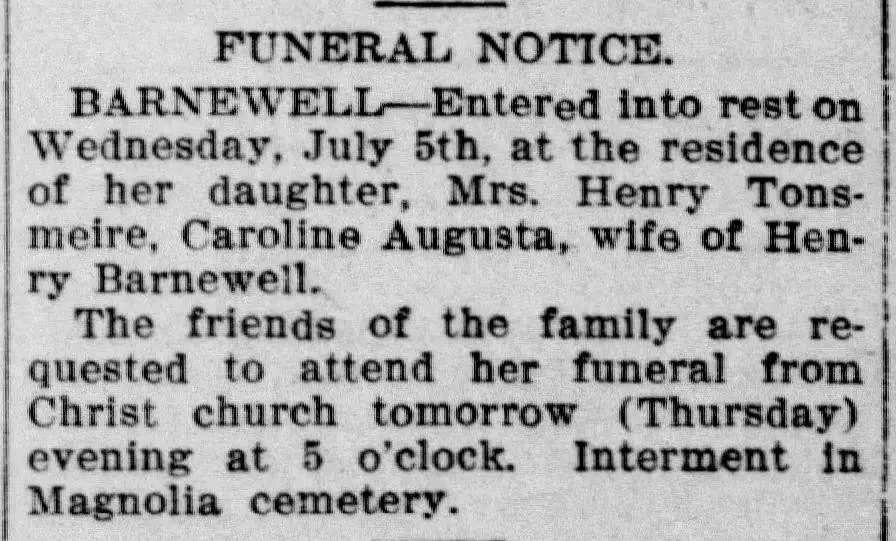
Not all death notices appear in a dedicated obituary section. Check funeral home advertisements, church bulletins reprinted in newspapers, social columns that mention deaths, and even classified sections where families sometimes placed memorial notices.
Tip 5: Use Context Clues to Verify Identity
When you find a potential match, verify it's the right person by cross-referencing details with what you already know. Check ages, family member names, locations, and occupations against your existing research.
For a complete walkthrough, for a complete step-by-step approach.
Frequently Asked Questions
Were obituaries common in newspapers before the 1900s?
Death notices existed in newspapers from the earliest days, but detailed obituaries as we know them became common in the mid-to-late 1800s. Earlier notices tended to be brief, sometimes just a line or two.
How can I find obituaries for very common names?
Combine the name search with location filters and date ranges. If you know the town and approximate year of death, you can narrow results significantly. Also look for other family members' names mentioned in the same obituary.