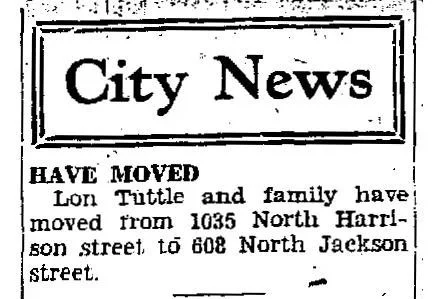
Social Sleuthing: How to Find Your Ancestors in Society Columns
Discover how society columns in newspapers reveal family connections, daily life, and hidden genealogy clues you won’t find in official records.
Society columns in historical newspapers are a valuable but often overlooked resource for genealogy research. These sections recorded everyday community life, including visits, travel, social events, and personal updates, offering insights into relationships, locations, and daily routines that rarely appear in official records. By searching names alongside social keywords like “visited” or “guest of,” and exploring small-town newspapers where coverage was more detailed, researchers can uncover hidden connections and build a richer, more complete picture of their ancestors’ lives.
In family history research, it’s easy to focus on the “big” records: census schedules, birth certificates, and obituaries. They give us structure. Dates. Facts.
But if you want to understand how your ancestors actually lived, who they spent time with, where they went, what filled their days, you have to look somewhere else.
You have to look in the society columns of historical newspapers.
These small, often-overlooked sections weren’t just gossip. They were the daily record of community life. And today, they offer one of the most personal, revealing ways to uncover your family’s story.
What Are Society Columns in Newspapers?
Society columns (also called social columns or society pages) were a regular feature in many local newspapers, especially in small towns and growing communities across the United States.
They captured everyday life in short, simple entries:
Who visited whom
Who hosted a dinner or attended a party
Who traveled out of town
Who was recovering from illness
Who was involved in clubs, churches, and organizations
These weren’t headlines. They were the quiet details of daily life.
And that’s exactly what makes them so powerful for genealogy.
Why Society Columns Matter for Genealogy Research
A single mention in a society column can confirm more than you might expect.
It can:
Place your ancestor in a specific location on a specific date
Reveal relationships (friends, cousins, in-laws)
Suggest social standing or community involvement
Provide clues about occupations, interests, and routines
Fill in gaps between major life events
In many cases, these columns capture moments that were never recorded anywhere else.
Why Small-Town Newspapers Matter
If your ancestors lived in a smaller community, society columns become even more valuable.
In big-city papers, social coverage often focused on prominent families. But in small-town newspapers, everyday life was the news. A visit from a relative, a weekend trip, or a church gathering could all make it into print.
That means you’re far more likely to find:
Mentions of ordinary families
Detailed notes about visits and relationships
Clues about daily routines and community life
These short entries can place your ancestor in a specific town on a specific day and connect them to people you may not find in any official record.
NewspaperArchive’s extensive collection of small-town newspapers is especially powerful here, preserving the kinds of local details that larger publications often overlooked.
What You Can Find in Society Columns
If you’ve never searched these sections before, here’s what to watch for.
Social Events and Gatherings
Mentions of dinners, dances, teas, and parties were common.
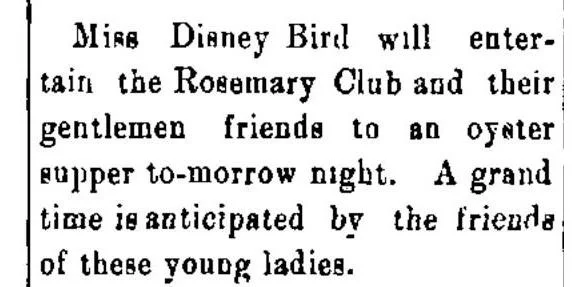
A line like:
"Miss Disney Bird will entertain the Rosemary Club and their gentlemen friends to an oyster supper to-morrow night. A grand time is anticipated by the friends of these young ladies."
…can show their role as a host, connect them to local groups, and reveal the people in their social circle.
Club Memberships and Community Life
Society pages frequently listed members of:
Church groups
Women’s auxiliaries
Rotary or civic clubs
School and charitable organizations
These details can help you understand what mattered to your ancestors and how they spent their time.
Travel and Visits
One of the most valuable clues you’ll find:
“Visited her sister in Atlanta”
“Returned home after a week in Augusta”
“Guest of Mr. and Mrs. Brown”
These small notes can reveal migration patterns, family connections, and relationships you didn’t know existed.
Personal Achievements
From promotions to school honors to contest wins, newspapers loved to celebrate accomplishments.
These mentions can:
Confirm occupations
Suggest education levels
Add personality and color to your ancestor’s story
Family Connections (Often Hidden in Plain Sight)
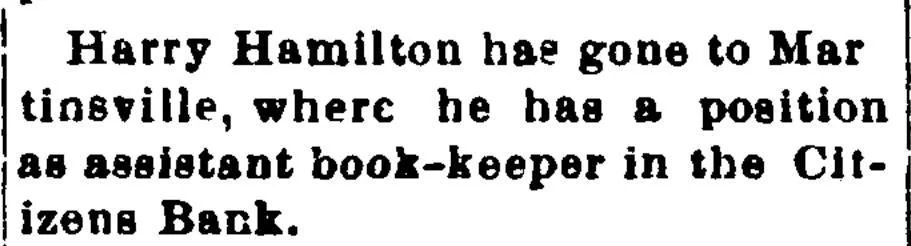
Pay attention to who appears with your ancestor.
You may uncover:
Previously unknown relatives
Maiden names
Close family friends who connect multiple branches
Sometimes, the most important clue isn’t your ancestor. It’s the person standing beside them.
Real Example: A Small Mention That Changes Everything
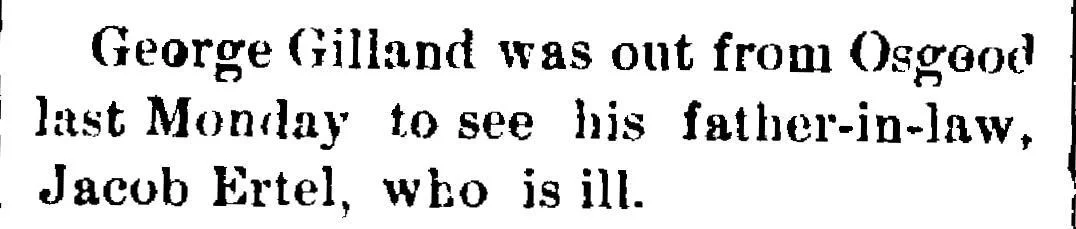
Here's an example from a local newspaper:
"Harry Hamilton and cousin, Miss Cora, are visiting at the home of Will Hamilton, at Westfield."
At first glance, it’s simple.
But look closer:
You now have a confirmed relationship (cousin)
A new surname (Hamilton)
A new location (Westfield)
A timeline clue (specific day)
That one sentence could unlock an entirely new branch of your family tree.
How to Search Society Columns on NewspaperArchive
If you want to start finding these details, here’s how to approach your search.
1. Start with a Name + Location
Search your ancestor’s name and narrow results by the town or county where they lived.
2. Try Relationship-Based Searches
Don’t just search names. Try phrases like:
“Mrs. John Smith”
“Miss Sarah Johnson”
“Mr. and Mrs.”
These were commonly used in older newspapers.
3. Use Social Keywords
Society columns follow patterns. Try adding words like:
“visited”
“entertained”
“guest of”
“returned home”
“spent the weekend”
These can surface articles that a name-only search might miss.
4. Look Beyond Your Direct Ancestor
Search for:
Siblings
Spouses
Children
Neighbors
Your ancestor may appear in someone else’s mention.
5. Follow the Pattern Over Time
If your ancestor appears once, there’s a good chance they appear again.
Track multiple mentions to build a timeline of their daily life.
Tips for Getting the Most from Society Columns
Search local newspapers first — small-town papers often include more detailed coverage
Try name variations — spelling wasn’t always consistent
Create a timeline — repeated mentions can show life changes over time
Cross-reference with other records — confirm what you find
Understand the context — social norms can help you interpret what a mention really means
And most importantly:
Don’t skip over these small entries. That’s where the story lives.
Challenges to Keep in Mind
Society columns don’t tell every story.
They often focused on:
Socially active individuals
Community leaders
More visible families
If your ancestors were working-class or lived in rural areas, they may appear less frequently.
Also, remember:
Not everything printed was perfectly accurate. Treat these entries as clues and verify when needed.
Frequently Asked Questions About Society Columns in Newspapers
What are society columns in newspapers?
Society columns are sections in historical newspapers that recorded everyday social activity in a community, including visits, parties, travel, club meetings, and personal updates. While they may seem informal, they provide valuable details about relationships, locations, and daily life that often don’t appear in official records.
Why are society columns useful for genealogy research?
Society columns help fill in the gaps between major life events by documenting everyday interactions. A single mention can confirm where someone lived, who they spent time with, and how they were connected to others in their community, offering context you won’t find in census or vital records.
How do I find my ancestor in society columns?
Start by searching your ancestor’s name along with their town or county. Then expand your search using relationship-based terms (like “Mrs. John Smith”) and social keywords such as “visited,” “entertained,” or “guest of.” You may also find your ancestor mentioned in articles about friends, relatives, or neighbors.
What kinds of information can I find in society columns?
You can find details about social events, travel, family visits, club memberships, personal achievements, and community involvement. These mentions often reveal relationships, addresses, and movement between locations, helping you build a more complete picture of your ancestor’s life.
Are society columns only about wealthy or prominent people?
Not always. While larger city papers often focused on prominent families, small-town newspapers frequently included everyday residents. In many communities, society columns acted as a local news feed, capturing the lives of ordinary people in surprising detail.
How accurate are society columns in newspapers?
Society columns are valuable but should be used carefully. They were sometimes based on submissions or word of mouth, which meant details could be incomplete or occasionally inaccurate. It’s best to use them as clues and verify important information with other records.
What search terms work best for finding society column mentions?
In addition to names, try keywords commonly used in social reporting, such as “visited,” “entertained,” “guest of,” “returned home,” or “spent the weekend.” These phrases can help surface articles that wouldn’t appear in a basic name search.
Start Your Search Today
Society columns are one of the most overlooked resources in historical newspapers, but they’re also one of the richest.
They capture the everyday moments:
The visits
The conversations
The connections
The things that rarely make it into official records, but matter just as much.
Start searching society pages on NewspaperArchive and see what your ancestors were really doing day to day.
You might just find the story you didn’t even know you were missing.