The Name Game: 15 Smart Ways to Search Name Variants in Historical Newspapers
Find more ancestors with 15 smart strategies for searching name variants in historical newspapers. Learn how to uncover misspellings, nicknames, and hidden records.
When searching for ancestors in historical newspapers, a single name spelling is rarely enough. Names often appear as nicknames, initials, abbreviations, titles, or alternate spellings due to informal writing and printing variations. To find more results, search multiple versions of a name and confirm matches using context like location, family, and occupation.
Searching for ancestors in historical newspapers isn’t as simple as typing a name and pressing enter. If you’ve ever come up empty-handed, there’s a good chance your ancestor is there. You’re just not searching the right version of their name.
Newspapers are filled with misspellings, nicknames, abbreviations, and unexpected variations. Once you start treating a name as flexible instead of fixed, everything changes. Suddenly, the stories begin to appear.
In this guide, you’ll learn 15 proven strategies for finding name variants in newspapers so you don’t miss the details that bring your family history to life.
If you’ve ever hit a dead end, try searching just one new variation of a name. You may uncover something you’ve missed all along.
What Are Name Variants in Genealogy?
Name variants are different ways a person’s name might appear in records or newspapers. These can include:
Alternate spellings
Nicknames or shortened forms
Initials instead of full names
Titles or relationship-based names
OCR errors in digitized newspapers
Understanding these variations is one of the most important skills in newspaper research.
Why Names Change in Newspapers
Before we jump into strategies, it helps to know why names vary so much:
Reporters often spelled names phonetically
Typesetters introduced inconsistencies
Editors shortened names to fit tight columns
Communities used familiar or informal names
OCR technology can misread old print
Once you expect variation, you stop missing it.
15 Smart Ways to Search Name Variants in Historical Newspapers
1. Search Common Spelling Variations
In the 1800s and early 1900s, spelling wasn’t standardized. A single surname might appear multiple ways in the same paper.
Think in terms of:
vowel swaps (Anna / Anne)
consonant changes (Clark / Clarke)
prefixes (Mc / Mac)
When you search, try multiple versions of the same name—not just the modern spelling.
2. Search Nicknames and Everyday Names
Newspapers often used the name people actually went by.
Elizabeth might appear as:
Lizzie
Bess
Beth
John might be:
Jack
Johnny
If you know how your ancestor was addressed in real life, start there.
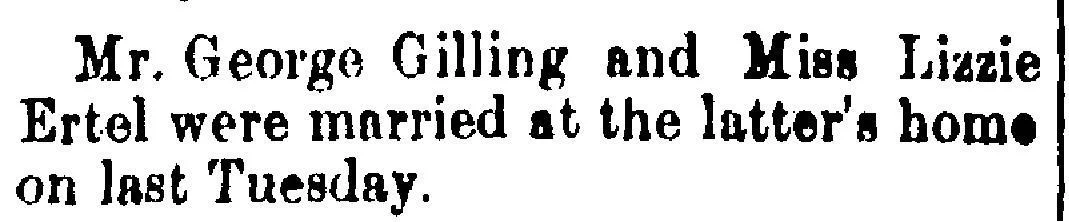
3. Search Using Abbreviated First Names
Editors regularly shortened first names to save space.
Examples:
William → Wm.
Charles → Chas.
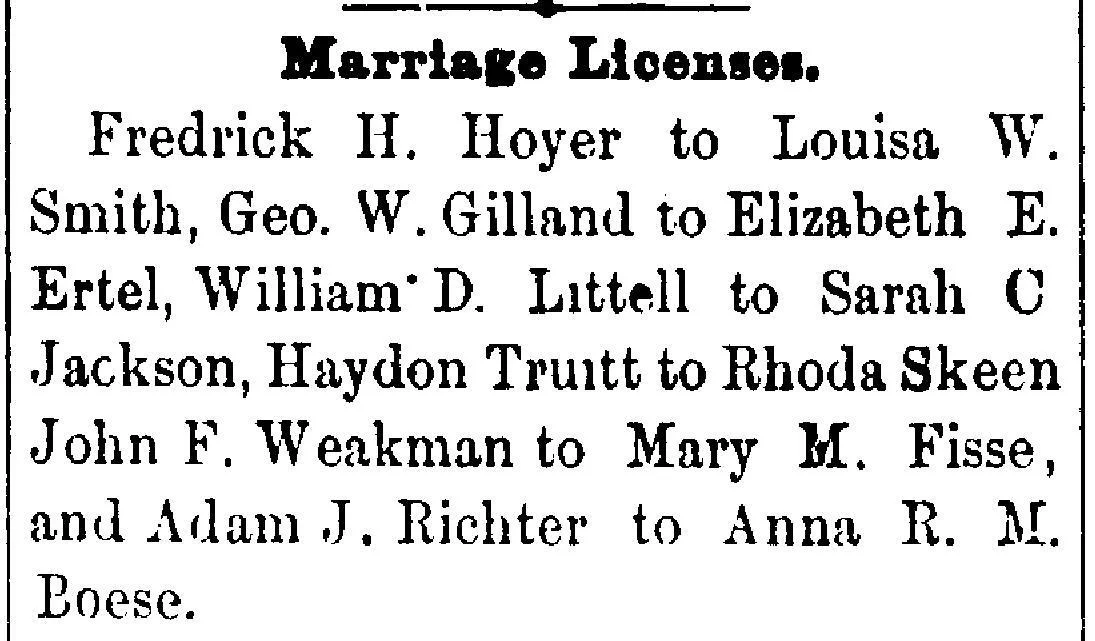
George → Geo.
These show up constantly in lists, captions, and short notices. Easy to miss if you’re only scanning for full names.
4. Try Middle Names, Initials, or Swaps
Middle names don’t behave consistently.
Your ancestor might appear as:
John A. Smith
J. A. Smith
Andrew Smith (using middle name)
Treat middle names as flexible identifiers—not fixed details.
5. Search Initials Only (with Flexible Punctuation)
Many newspapers used initials—especially in formal or business contexts.
Look for:
J.A. Smith
J A Smith
JA Smith
If the surname matches and the initials line up, pause and verify with context.
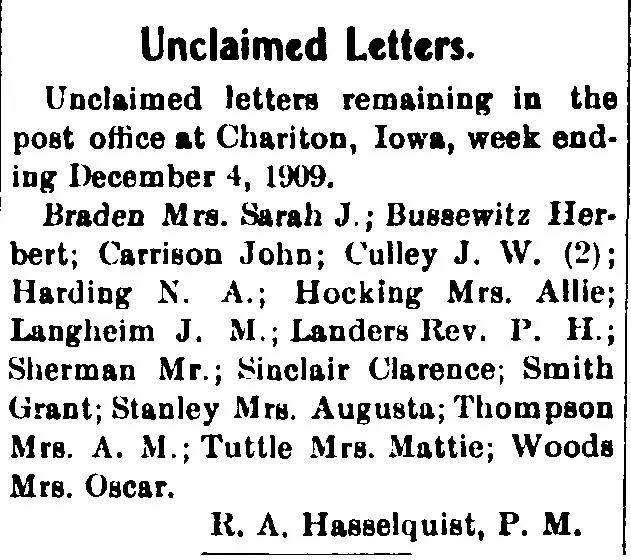
6. Search Inverted Name Order (Surname First)
Lists often flip the name order:
Smith, John
Johnson, Mary
You’ll find this in:
unclaimed letters
voter rolls
school lists
hotel registers
legal notices
Train your eye to read both directions.
7. Search Married Women in Multiple Forms
Women can be especially tricky to find.
A married woman might appear as:
her maiden name
her married name
“Mrs. John Smith”
To find her story, you’ll often need all three.
8. Search Titles and Honorifics
In many cases, titles replace first names entirely:
Mr. Smith
Mrs. Johnson
Miss Carter
These are especially common in society columns and local news items.
9. Search Military Rank Instead of Names
If your ancestor served, their rank may replace their name:
Pvt. Smith
Capt. Johnson
Sgt. Williams
These appear frequently in:
parade coverage
veterans’ events
memorial articles
10. Use Occupation as a Search Clue
Sometimes a job title stands in for a name:
Dr. Smith
Sheriff Jones
Rev. Brown
Occupations can anchor a person to a place and help confirm identity when names vary.

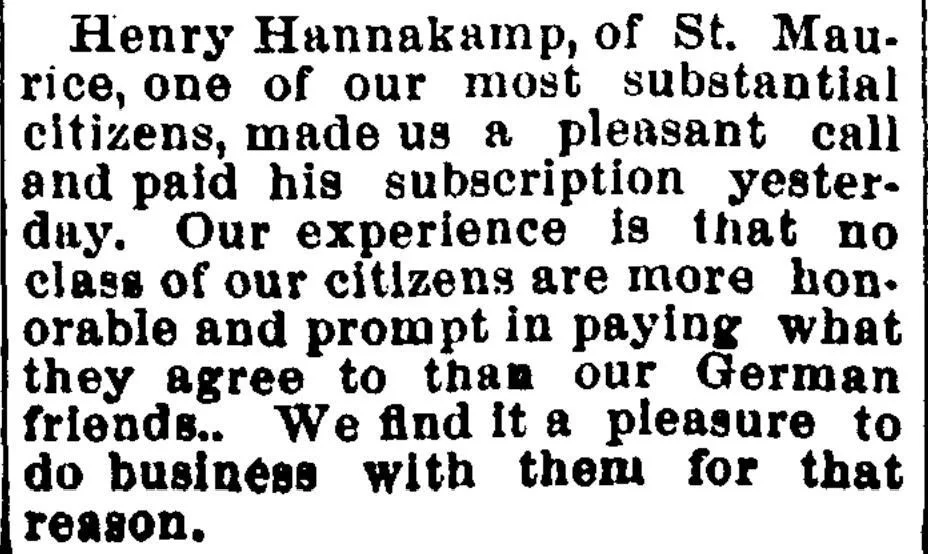
11. Watch for “Of This Place” Phrases
Phrases like:
“of this city”
“of this county”
help distinguish people with the same name.
They may seem small—but they’re powerful clues.
12. Search Relationship-Based Identifiers
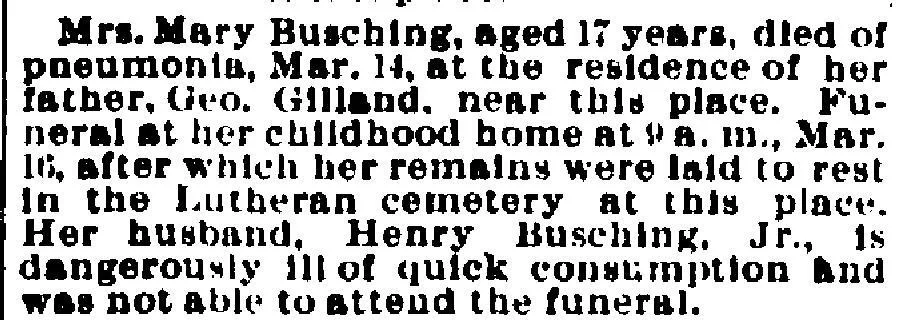
Newspapers often identified people by relationships:
“son of…”
“widow of…”
“brother of…”
These clues can help you confirm identities even when the name isn’t exact.
13. Decode Marriage and Engagement Formats
Wedding coverage can be inconsistent:
sometimes only the bride is named
sometimes only the groom
sometimes initials are used
The key is to read around the names:
location
officiant
attendants
family members
That’s where confirmation happens.
14. Search Compound and Particle Surnames
Names like:
De la Cruz
Van Buren
O’Connor
may appear in multiple formats:
Dela Cruz
VanBuren
O Connor
Treat these as the same name when searching.

15. Expect OCR Errors and Typos
Digitized newspapers rely on OCR—and it’s not perfect.
Common issues:
rn → m
cl → d
O → 0
If the name looks close and the context matches, don’t dismiss it too quickly.
Step-by-Step: How to Search Name Variants on NewspaperArchive
If you’re not sure where to start, use this simple process:
Search the full name in quotes
Search the last name only
Try nickname versions
Test spelling variations
Add location filters
Scan surrounding articles for context
This layered approach dramatically improves your results.
Why Small-Town Newspapers Matter for Name Variants
Small-town newspapers are one of the most valuable—and often overlooked—resources for finding name variations in genealogy research. Unlike larger city papers, local publications regularly featured everyday people in social columns, community updates, and brief mentions, often using informal names, nicknames, and relationship-based identifiers. This means your ancestor might appear as “Lizzie,” “Mrs. John Smith,” or simply “of this place,” rather than a formal full name.
Because NewspaperArchive includes a deep collection of small-town newspapers, you’re more likely to uncover these subtle variations that don’t appear in official records. These local mentions not only help confirm identity but also add context, connections, and personality to your family history—often revealing details you won’t find anywhere else.
How to Make These Strategies Work for You
Keep a running list of name variants for each ancestor
Scan entire pages—not just search results
Use context (location, family, occupation) to confirm identity
Revisit searches as new records are added
The more flexible your approach, the more you’ll find.
Decoding Names and Finding the Story
Names in newspapers aren’t fixed—they shift with spelling, relationships, and context. But once you learn to recognize the patterns, scattered mentions begin to come together.
And that’s where the real stories live.
Watch & Learn
Want to see how to search name variants in historical newspapers step by step?
Watch our YouTube video for real examples of finding misspelled names, nicknames, and hidden ancestor records in newspapers.
Free Download
Download your Name Variants in Newspapers Checklist + Variant Spotter Guide
Use this quick-reference tool to track spelling variations, nicknames, initials, and search strategies as you research your family history.
📄 Variant Spotter One-Pager.pdf
Start Searching
Ready to find ancestors with name variations in historical newspapers?
Start searching millions of newspaper records on NewspaperArchive and uncover the stories, connections, and details you may have been missing.
Frequently Asked Questions About Name Variants in Newspapers
Why can’t I find my ancestor in newspaper searches?
Your ancestor may be listed under a different spelling, nickname, or format. Newspapers often used abbreviations, initials, or informal names, so searching multiple variations is essential.
What are the most common name variations in genealogy research?
The most common variations include nicknames (like Lizzie for Elizabeth), initials (J. A. Smith), spelling differences (Clark vs. Clarke), and titles such as Mrs. John Smith.
How do I search for misspelled names in newspapers?
Start by searching the last name only, then try phonetic variations, abbreviations, and alternate spellings. Use context like location, occupation, and family members to confirm matches.
Why do names appear differently in historical newspapers?
Names vary due to phonetic spelling, printing inconsistencies, editorial shortcuts, and modern OCR errors in digitized newspapers.