
A Desertion Notice, a Public Scandal, and Forty Years of Marriage: A Family Story Found in Newspapers
Discover how a desertion notice uncovered a hidden family history story in newspapers—and how to find stories like this in your own research.
Old newspapers often include personal notices—like desertion ads, legal announcements, and public scandals—that reveal relationships and events not found in official records. Searching for these types of notices can uncover unexpected family stories and provide deeper insight into ancestors’ lives.
Quick Answer: What Can Newspapers Reveal About Your Family?
Old newspapers often published personal notices—like desertion ads, legal disputes, and public declarations—that reveal relationships and life events not recorded elsewhere. Searching for these types of notices can uncover unexpected family stories and provide deeper insight into your ancestors’ lives.
The Discovery
It didn’t look like much at first.
Just a short notice—easy to overlook if you didn’t know what you were looking at. Not a headline. Not a dramatic story spread across columns.
But it stopped me.
Because this wasn’t just a notice.
It was a public statement about a private situation—printed for the entire community to see.
And just like that, a story began to take shape.
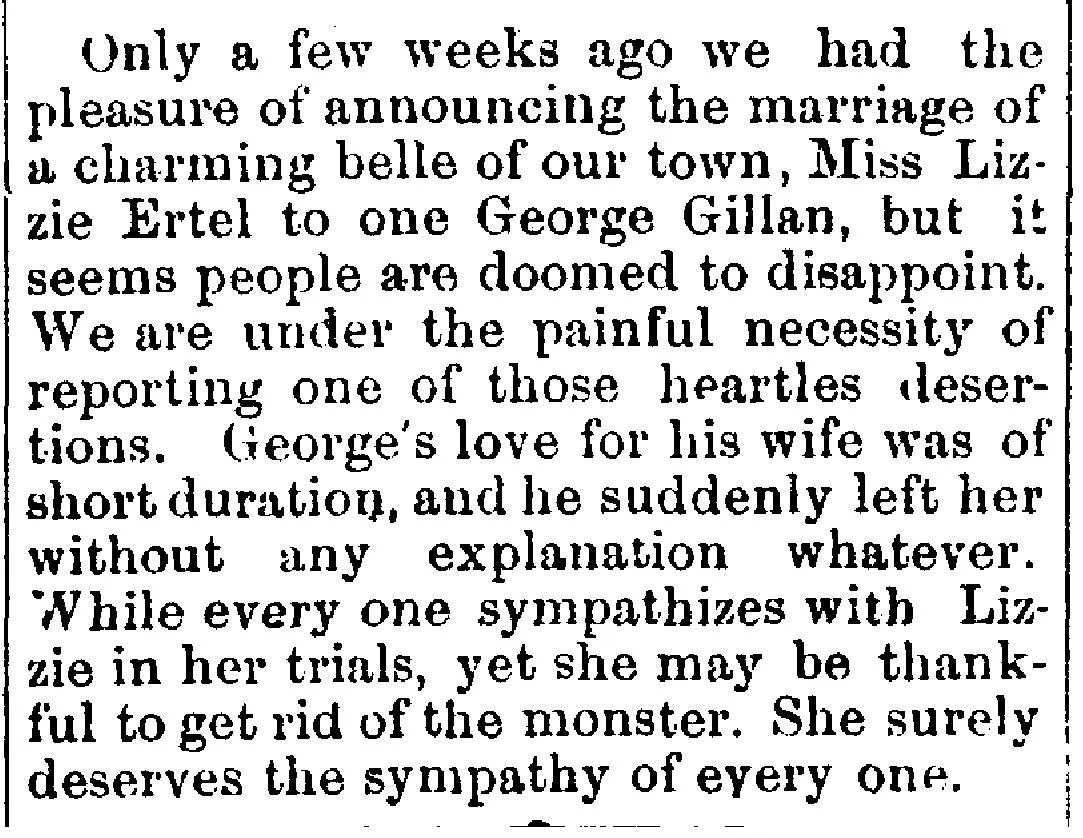
The Newspaper Clipping
The notice was direct. Clear. Intentional.
A husband publicly declaring that he would no longer be responsible for his wife’s actions or debts.
A desertion notice.
It’s the kind of thing that feels shocking today—but at the time, it served a purpose. Newspapers weren’t just reporting the news. They were part of the legal and social fabric of a community.
And sometimes, that meant airing personal matters in public.
What the Article Revealed
In just a few lines, the notice revealed more than you might expect.
A relationship had fractured.
Something had happened.
And it had reached a point where it needed to be declared—formally, publicly, and permanently… or so it seemed.
There’s no emotion written into the notice. No explanation. Just a statement.
But even in its simplicity, it tells us something important:
This moment mattered.
The Hidden Clues
But notices like this don’t tell the whole story.
They open the door to questions.
What led to this public declaration?
Was this a temporary separation—or something more final?
What was happening behind the scenes that never made it into print?
And then there’s the part that changes everything.
Because when you follow the story forward…
it doesn’t end here.
Instead of a permanent break, this couple went on to remain connected—for decades.
Forty years of marriage.
Which makes this notice even more powerful.
Because now, it’s not just a record of separation.
It’s a glimpse into a moment of tension inside a much longer story.
Why This Story Matters for Family History Research
This is exactly why newspapers are so valuable in genealogy.
Records tell us what happened:
Births
Marriages
Deaths
But newspapers show us what life felt like in between.
They capture:
Conflict
Decisions
Public moments of private lives
The unexpected turns
Without this notice, this part of the story would be missing entirely.
You would see the marriage.
You would see the timeline.
But you would never know this moment existed.
And yet—it did.
Why Small-Town Newspapers Matter
Stories like this are often found in small-town newspapers.
These papers didn’t just report major events—they published the kinds of personal notices and local situations that larger papers often ignored. Legal declarations, relationship conflicts, and public notices were sometimes printed plainly, without much filtering.
That’s why something as personal as a desertion notice appears in print at all.
In a larger city, this moment might have stayed private. But here, it was recorded—and preserved.
And because of that, we’re able to see a side of our ancestors’ lives that rarely appears in official records.
How to Find Stories Like This in Old Newspapers
If you’re only searching for names, you’re likely missing stories like this.
Try expanding your searches to include:
Legal and personal notices like desertion, divorce, or notice
Relationship-based keywords like wife, husband, or left
Community and small-town newspapers, where personal matters were often published
Unexpected wording, since language in older newspapers can differ from what we use today
Some of the most revealing stories aren’t hidden. They’re just written in ways we don’t think to search.
Where to Find Stories Like This
Stories like this—messy, complicated, and deeply human—were often published in plain sight.
Try searching your own family names alongside legal terms, relationship keywords, or even simple words like “notice.” You may uncover something you never expected to find.
FAQs About Finding Family Stories in Newspapers
What is a desertion notice in a newspaper?
A desertion notice was a public statement, often placed by a spouse, declaring they were no longer responsible for the other person’s actions or debts.
Why were personal matters published in newspapers?
Newspapers once served as a public record for legal and social matters, including disputes, notices, and community updates.
Can these notices help with genealogy research?
Yes. These notices can reveal relationships, timelines, and personal circumstances not found in traditional records.
Final Thought
At first glance, this notice feels like an ending.
A line drawn. A separation made public.
But when you step back and look at the full story, it becomes something else entirely.
A moment.
A fracture.
A glimpse into a relationship that continued long after this was printed.
Because family stories aren’t always simple.
And sometimes, the most revealing parts are found in the smallest, most unexpected places.
Stories like this—unexpected, complicated, and deeply human—are still waiting in the pages of old newspapers.