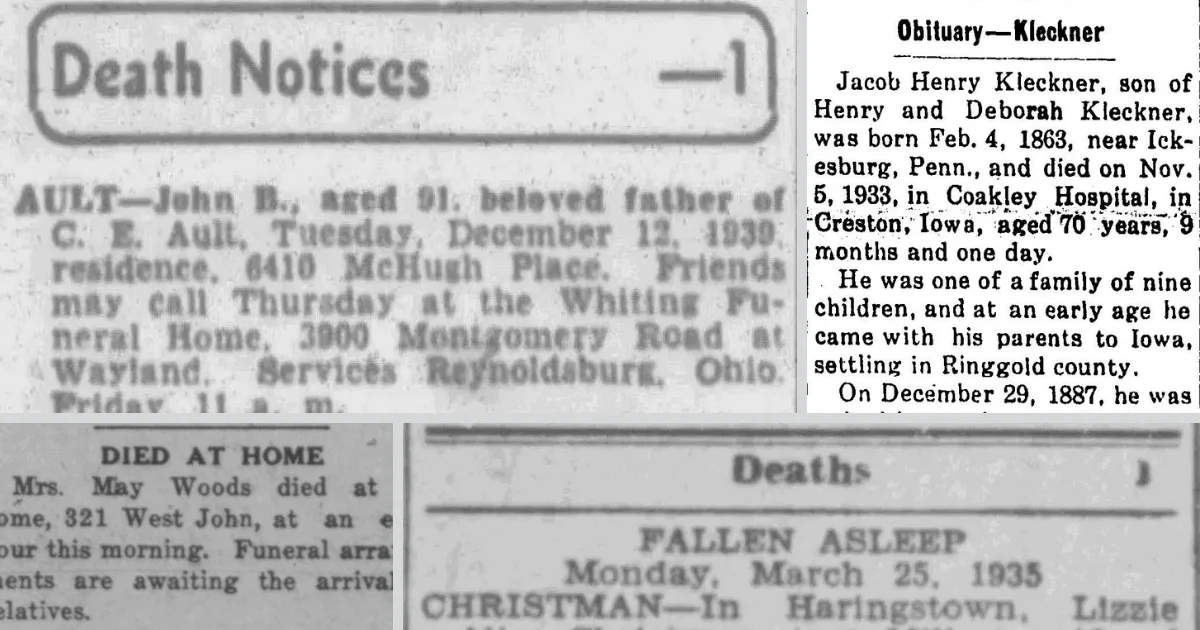
15 Best Websites to Find Newspaper Obituaries Online
Compare the best websites to find newspaper obituaries online, including historical newspaper archives, free databases, funeral home sites, and local resources.
The best websites to find newspaper obituaries depend on the death date, location, and type of notice you need. For older obituaries, start with historical newspaper archives such as NewspaperArchive, Newspapers.com, GenealogyBank, Chronicling America, state newspaper collections, and local library databases. For recent obituaries, check Legacy.com, funeral home websites, current newspaper sites, and Ancestry obituary indexes. No single website has every obituary, so researchers should compare coverage by place and year, search multiple name variations, and look for death notices, funeral notices, grouped deaths columns, and local mentions as well as full obituaries.
Finding an obituary online sounds like it should be simple.
Type in a name. Add the word obituary. Click search.
Sometimes it works that way.
A lot of the time, it doesn’t.
The problem is that obituaries are scattered across all kinds of places. Some are in old newspapers. Some are on modern funeral home websites. Some are in obituary indexes. Some are sitting in a digitized newspaper page with no neat label telling you what it is.
So where should you actually look?
Here are some of the best websites to use when you’re trying to find newspaper obituaries online, especially if the first search doesn’t give you what you need.
Quick answer: where should you start?
If you’re looking for an older obituary, I would usually start with a newspaper archive first.
For U.S. newspaper obituaries, NewspaperArchive is one of the strongest places to begin because it focuses on historical newspapers, includes obituary-related notices, and has a wide range of local papers. NewspaperArchive currently describes its collection as more than 16,000 historic newspaper archives with obituary, marriage, birth, local news, and family history content.
If you’re looking for a recent obituary, start with modern obituary sites like Legacy.com, funeral home websites, and the newspaper’s current website. Legacy says it works with nearly 10,000 newspaper and funeral home partners, which makes it useful for recent notices.
I wish there were one place that had everything. There isn’t.
1. NewspaperArchive
This is where I’d start for older newspaper obituaries, especially if you’re searching for someone who lived in a small town or a place that may not be well covered by larger modern databases.
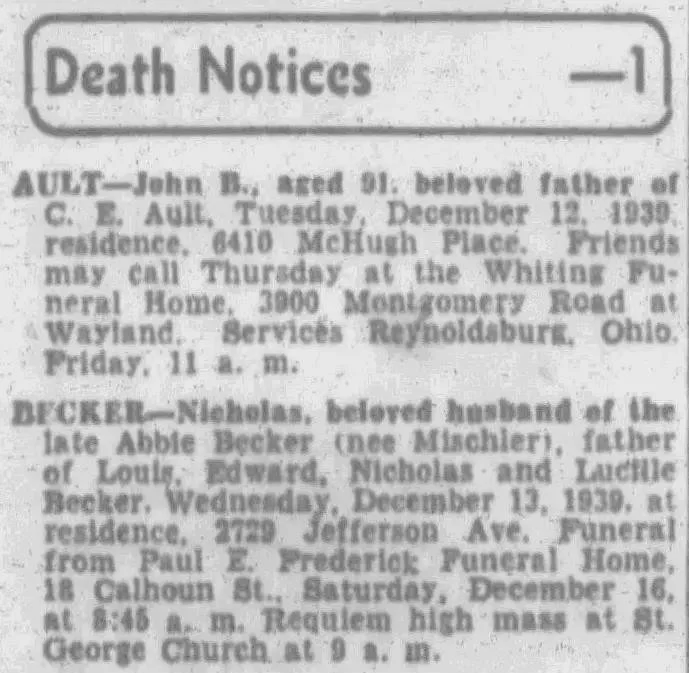
NewspaperArchive is built around historical newspapers, which matters because obituaries do not always appear as neat, searchable “obituary” entries. They might show up as:
Death notices
Funeral notices
Local column mentions
Church notes
In-memoriam items
Short community updates
That is exactly why searching newspaper pages matters.
A full obituary is wonderful when you find it, but sometimes the clue you need is a two-line notice that says someone died at home or that funeral arrangements were waiting on relatives.
NewspaperArchive’s search page lets users search billions of newspaper articles and specifically points to birth, marriage, and death records as searchable family history content.
Best for: Historical newspaper obituaries, small-town newspapers, local death notices, family history research
Where I’d start: Search the last name and town first. Then try the spouse’s name, cemetery, church, or the word “funeral.”
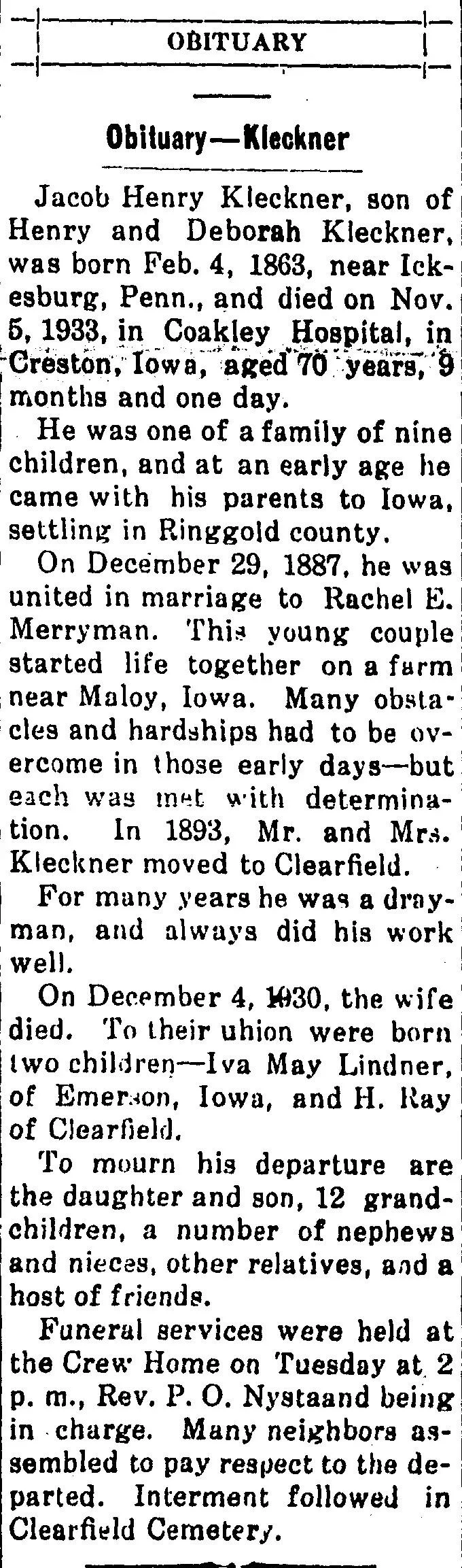
2. Newspapers.com
Newspapers.com is another major newspaper archive and one that many genealogists already know, especially if they use Ancestry.
It has a large collection of digitized newspapers and offers different subscription levels, including Basic and Publisher Extra. Its plan page describes obituary, marriage, birth, and other newspaper searches as part of the service.
The thing to watch is access. Some pages may be available in one plan and not another. That does not mean it is not useful. It just means you need to pay attention to which collection the newspaper belongs to.
Best for: Broad newspaper searching, users already working inside Ancestry, clipped newspaper pages
Where I’d start: Search the person’s full name first, then try a last name plus location if the full name does not work.
3. GenealogyBank
GenealogyBank is another strong option for newspaper obituaries and family history research. It says it has historical newspapers from 1690 to 2025 and more than 16,000 newspapers.
One reason people use GenealogyBank is that it has both newspapers and other genealogy-related collections. That can be helpful if you want to compare an obituary with other records.
As with any paid archive, coverage is the real question. Before subscribing, check whether it has newspapers for the places and years you need.
Best for: U.S. historical newspapers, obituary searches, genealogy record searching
Where I’d start: Search the surname and location, then check whether the site has newspapers for that county or nearby city.
4. Chronicling America
Chronicling America is free, and I would never skip it.
It is an open-access historic newspaper database from the Library of Congress and the National Endowment for the Humanities. NEH describes it as a free collection created through the National Digital Newspaper Program, with historic newspapers selected and digitized by state partners.
It is not always the best place for every obituary search, especially if you need later 20th-century or more recent notices. But for older newspapers, it is absolutely worth checking.
Best for: Free historical newspaper searching, older U.S. newspapers, early obituary and death notice research
Where I’d start: Search the surname and state, then browse the newspaper pages around the death date.
5. FamilySearch
FamilySearch is not just one obituary database. It is more like a map to many obituary resources.
Its United States Obituaries wiki page points researchers to multiple obituary sources, including Chronicling America, public library links, and other online obituary collections.
This is especially useful when you are not sure where to search next.
I would use FamilySearch when I need guidance, not just a search box.
Best for: Free genealogy guidance, obituary resource lists, state-by-state research help
Where I’d start: Search the FamilySearch wiki for the state or county, then follow its obituary and newspaper suggestions.
6. Ancestry
Ancestry can be helpful because it has obituary indexes and links into other newspaper collections.
For example, Ancestry hosts a U.S. Newspapers.com Obituary Index covering obituaries published in U.S. newspapers from the early 1800s to the present, with links to the original Newspapers.com entries.
That can be useful, but remember that an index is not the same as the full newspaper page. I always want to see the original if I can.
Best for: Indexed obituary results, connecting obituary clues to family trees, Ancestry users
Where I’d start: Use the index as a clue, then follow the source to the newspaper image when possible.
7. Legacy.com
Legacy.com is better for recent obituaries than old historical newspaper obituaries.
If you are looking for someone who died in the last couple of decades, it is worth checking early. Legacy says it features obituaries from nearly 10,000 newspaper and funeral home partners across the U.S.
For deep genealogy research, it will not replace old newspaper archives. But for modern family history, it can be very useful.
Best for: Recent obituaries, funeral home notices, modern memorial pages
Where I’d start: Search the full name and location, then check the funeral home or newspaper listed in the result.
8. Elephind
Elephind is a search engine for digitized historic newspapers from multiple collections.
That makes it useful when you do not know which archive might hold the paper you need. Elephind says it searches more than 47 million pages from more than 4,400 newspaper titles.
It will not replace searching individual newspaper archives, but it can help you discover where a newspaper page may live.
Best for: Free newspaper discovery, searching across multiple digitized collections, international newspaper leads
Where I’d start: Try a surname and place, then follow the result back to the original newspaper collection.
9. State digital newspaper collections
Do not skip state newspaper projects.
Some states have excellent free collections that may include obituary notices, funeral announcements, and local columns.
For example, the California Digital Newspaper Collection describes itself as a repository of historical California newspapers published from 1846 to the present. New York State Historic Newspapers provides free online access to a wide range of New York newspapers selected to reflect the state’s history.
These sites can be especially helpful when your research is tied to one state.
Best for: State-specific obituary searches, free historical newspapers, local research
Where I’d start: Search the state name plus “digital newspaper collection” or “historic newspapers.”
10. Local public library databases
This is the one people forget.
Many libraries provide access to newspaper databases, obituary indexes, local history files, or lookup services. Sometimes they also have digitized versions of local papers that are not easy to find through a general search.
FamilySearch’s obituary guidance points researchers toward public library obituary resources, which is a good reminder that not everything is sitting in one national archive.
If the person lived in one town for a long time, the local library may know exactly where to look.
Best for: Local obituary indexes, lookup requests, newspapers not available in major archives
Where I’d start: Search for the town or county library, then look for genealogy, local history, newspapers, or obituary indexes.
11. Newspaper websites
For recent obituaries, check the newspaper’s own website.
This is not always fun. Newspaper websites can be tricky to search, and older content may be behind a paywall or not included at all.
But for recent deaths, the local newspaper may still have the obituary online.
Best for: Recent obituaries, local newspaper death notices, current funeral listings
Where I’d start: Search the newspaper name plus the person’s full name, then try the newspaper’s internal search.
12. Funeral home websites
Funeral home websites are not newspaper archives, but they can point you to the right obituary.
Many modern obituaries appear first on funeral home sites and may later be shared with newspapers or obituary networks.
For family history, funeral home pages can also give you:
Service dates
Cemetery names
Family names
Photos
Guestbook entries
Memorial information
Best for: Recent obituaries, service details, cemetery clues
Where I’d start: Search the person’s full name plus the town and “funeral home.”
13. Find a Grave
Find a Grave is not a newspaper obituary site, but I still use it as a clue-finding tool.
A memorial may include an obituary transcription, cemetery details, family links, or a photo of the gravestone. Those details can help you go back to NewspaperArchive or another newspaper site with better search terms.
Best for: Cemetery clues, death dates, family links, obituary transcriptions
Where I’d start: Use the death date and cemetery name from Find a Grave, then search those details in a newspaper archive.
14. Google Books and Internet Archive
This one sounds odd, but stay with me.
Sometimes obituary information was reprinted in county histories, memorial books, society publications, church histories, or compiled genealogies. Google Books and Internet Archive can help you find those.
They are not my first stop for newspaper obituaries, but they can help when the newspaper search is not working.
Best for: Published memorials, family histories, county histories, church histories
Where I’d start: Search the person’s full name, then try the surname with a town, county, church, or family name. If you find a clue in a book or compiled history, take that detail back to the newspaper archives and search again.
15. The British Newspaper Archive or other country-specific newspaper sites
If your research crosses borders, use the newspaper archive for that place.
For example, British newspaper research may require a site focused on UK newspapers rather than U.S. collections. The same idea applies to Canadian, Australian, Irish, and other international research.
This is where location matters more than the website name.
Best for: International obituary research, immigrant families, ancestors who moved between countries
Where I’d start: Identify the country and local place first, then search for a newspaper archive specific to that region.
Which obituary website should you use first?
Here is the simple version.
If you want old newspaper obituaries, start with:
NewspaperArchive
Newspapers.com
GenealogyBank
Chronicling America
State digital newspaper collections
If you want recent obituaries, start with:
Legacy.com
Funeral home websites
Local newspaper websites
Ancestry obituary indexes
FamilySearch guidance pages
If you are stuck, use clue-finding sites:
FamilySearch
Find a Grave
Local libraries
Elephind
Google Books or Internet Archive
No one site has everything.
That is annoying, but it is also why the second or third search often works.
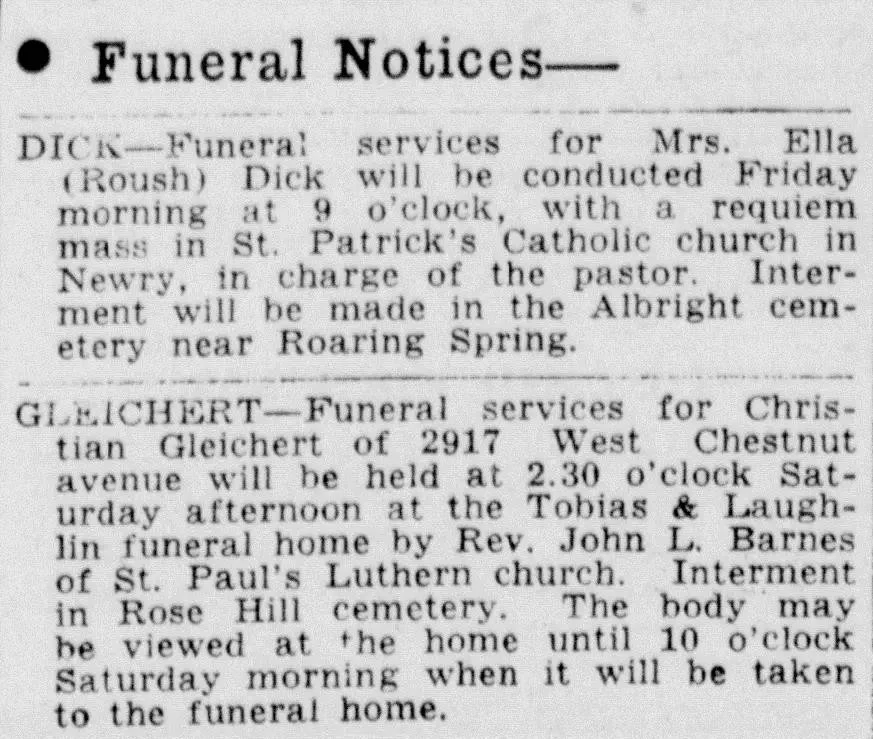
What to check before you pay for an obituary website
Before you subscribe to any paid site, check three things.
1. Does it cover the right place?
The best obituary website is the one that has newspapers from the place your person lived.
Not the biggest site. Not the prettiest site.
The right place.
2. Does it cover the right years?
If your ancestor died in 1913, a site full of modern obituaries will not help much.
If your person died in 2018, a historical newspaper archive may not be the best first stop.
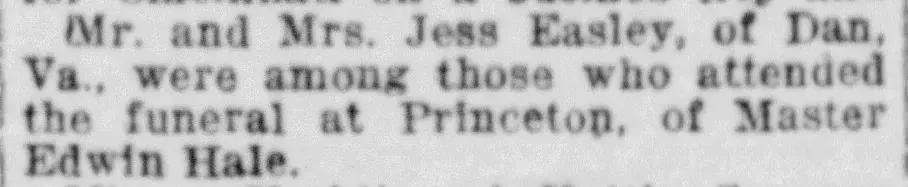
3. Can you see the original page?
Indexes are helpful, but I always want the original page if possible.
The page tells you more than the indexed fields. It shows nearby notices, column headings, location clues, and sometimes other family mentions on the same page.
Common questions about obituary websites
What is the best website to find old newspaper obituaries?
For old newspaper obituaries, start with a historical newspaper archive such as NewspaperArchive, Newspapers.com, GenealogyBank, Chronicling America, or a state digital newspaper collection. The best one depends on the location and date you need.
Are free obituary websites enough?
Sometimes. Free sites are absolutely worth checking, especially Chronicling America, FamilySearch, state newspaper collections, library indexes, and cemetery sites. But many digitized newspapers are held in paid archives, so free sites may not cover every town or year.
Why can’t I find an obituary if I know the person died?
The obituary may have been printed under a different name, listed as a death notice or funeral notice, published days later, or placed inside a local column. It may also be in a newspaper that has not been digitized or indexed.
Should I search obituary websites or newspaper archives first?
For recent deaths, start with obituary websites, funeral homes, and local newspapers. For older deaths, start with newspaper archives because the notice may be inside the newspaper page rather than in a modern obituary database.
Do I need more than one obituary website?
Usually, yes. Newspaper coverage varies by site, location, and time period. If one site does not have the right newspaper, another one might.
Final thoughts
I wish obituary searching were cleaner than it is.
It would be nice if every obituary lived in one place, under the right name, with the right date, ready to find.
But that is not how old newspapers work.
Start with the most likely place. For older newspaper obituaries, this is where I’d start: NewspaperArchive, then branch out if you need to. Try the last name and town first. Then add the spouse, church, cemetery, or funeral words.
If that does not work, do not assume the obituary is gone.
It may just be sitting in the next archive, the next newspaper, or the next search you haven’t tried yet.
Key takeaways
No single obituary website has everything.
For older newspaper obituaries, start with historical newspaper archives.
For recent obituaries, check Legacy.com, funeral homes, and local newspaper websites.
NewspaperArchive is a strong first stop for historical and small-town newspaper obituary searches.
Always check coverage by location and year before paying for a site.
Indexes are helpful, but the original newspaper page is better.
If one site does not work, try another. Coverage varies more than people expect.