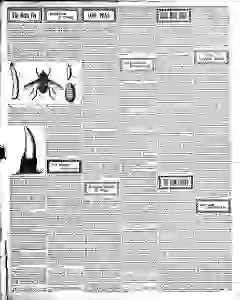
Horn Fly Insect Described From 1885 Import
An 1885 article explains the horn fly insect imported from Europe. It details body and wing lengths, growth stages larvae pupae and adults, and shows a horn with a band of files. The text notes injury from blood loss causes irritation and reduced feeding, growth, fattening, and milk yield in cows.
Rotation of Crops and Fly Control in Cattle
A farmer explains crop rotation based on plant nutrient needs and soil balance, noting barley uses more potash than wheat and stressing rotation to prevent nutrient depletion. The piece covers horn fly life stages, prevention methods on pastures, and practical rotations for heavy and light soils, plus England wheat yields and the value of nitrogen management.
Exercise in fowls and horses linked to vigor and breedings
The article debates how much exercise a fowl needs for growth and fattening, noting youth benefits, dangers of overfeeding in confinement, and the limited need for exercise by laying hens with balanced feed. It also cites horse breeding caution about old mares passing infirmities to offspring and mentions Andrew Lang’s planned U S visit.
Cow Peas Varieties For Forage And Seed Yields
Early 1900s agronomy note compares cow pea types for forage and seed. Whippoorwill favored for forage but seed yield trails other varieties like Warren’s Extra Early Northern Prolific and New Hybrid. Planting date and soil affect results. thistles discussed as nutritious pasture and hay, with grazing tips and caution on extermination.
MENTIONED IN THIS ARTICLE
Illinoja Station
Warren
California
Clay
Taylor
Illinois
Dwight S
Dalbey
Urbana
Russian thistles offered as stock feed by Kansas farmer
Charles F. Patton of Thomas County details using Russian thistles as cattle feed for three years. He recalls scarce feed in a harsh winter, harvested about 65 acres yielding roughly one ton per acre, and notes the hay sustained stock through severe cold. He describes cutting methods and multiple harvests, with thistle hay resembling alfalfa in appearance and feeding to hogs or other stock.
MENTIONED IN THIS ARTICLE
Kansas State Board of Agriculture
Charles F. Patton
Thomas County
Firm Pork Production Tips From Professor Grisdale
Canadian Professor J H Grisdale explains why pork becomes soft. Overfeeding from birth, selling under weight, and improper feeding cause softness. Proper care includes roomy clean quarters, good ventilation, and healthful, thrifty feeding with corn plus skim milk or whey to ensure firm meat. Barley oats and peas enhance firmness.
MENTIONED IN THIS ARTICLE
J. H. Grisdale
Canada
Feeding the Brood Sow For Farrowing Weight
A swine raiser advises feeding the coming brood sow to reach at least 300 pounds at farrowing. Focus on size over age and keep the sow fleshly, arguing there is little danger of being too fat. Weanlings need extra nourishment, while old sows require less. Potatoes and dark bread are noted as staples among German laborers.
Burke Quote on Health Virtue and Clarity
A concise reflection by Burke linking well being to virtue. If health can be lacking yet one remains well, virtue may still glow. The line warns that health without virtue leaves one hazy and morally unclear.
MENTIONED IN THIS ARTICLE
Burke
Farmers urged to boost hog production for national prosperity
The article argues American farmers should raise more hogs to meet rising population demand. It warns current swine shortages raise prices and hurt both consumers and producers, urging a 60 percent increase to about 70 million hogs. It stresses meat supply drives employment, economic stability, and national welfare while praising cement floors for sanitation in dairies.
MENTIONED IN THIS ARTICLE
United States
Department of Agriculture
Cows Benefit From Light and Air in Barns
The article argues dairies should maximize barn ventilation and sunlight. It advocates many windows and screens to keep out flies, improve sanitation, and reduce moisture. It notes silos constrain heating and that light helps kill germs and raise winter temperatures.
Pedigree Care and Consistency in Swine Records
W. M. McFadden urges breeders to ensure pedigrees use consistent initials spellings and addresses. He warns against mixing nicknames with real names and notes that last known addresses should appear on pedigrees. He stresses uniformity across all pedigrees and duplicates to avoid errors, delays, and misidentifications.
MENTIONED IN THIS ARTICLE
Bart
W. B. Jones
Shad
S. B. Smith
W. M. McFadden
Why Some Sprayers Fail
A concise guide from Missouri Fruit Station Bulletin 65 on proper spraying strategies. It warns against expecting one remedy to fix all problems and emphasizes spraying as a preventive, not a cure. It notes Bordeaux mixture and Paris green combine effectively when used together, and advises three thorough applications at appropriate times for typical seasons, with more needed only during epidemics like bitter rot.
MENTIONED IN THIS ARTICLE
Bulletin 65
Missouri Fruit Station
Also Mentioned on This Page
England
OC. L. Flint
RFR
Andrew Lang
Sees Sre
Fei Ioior
Fen

 This is just the beginning! Our collection holds over 300 years of history, including rare newspapers, obituaries, marriage records, birth records, and so much more—most of which you won’t find anywhere else!