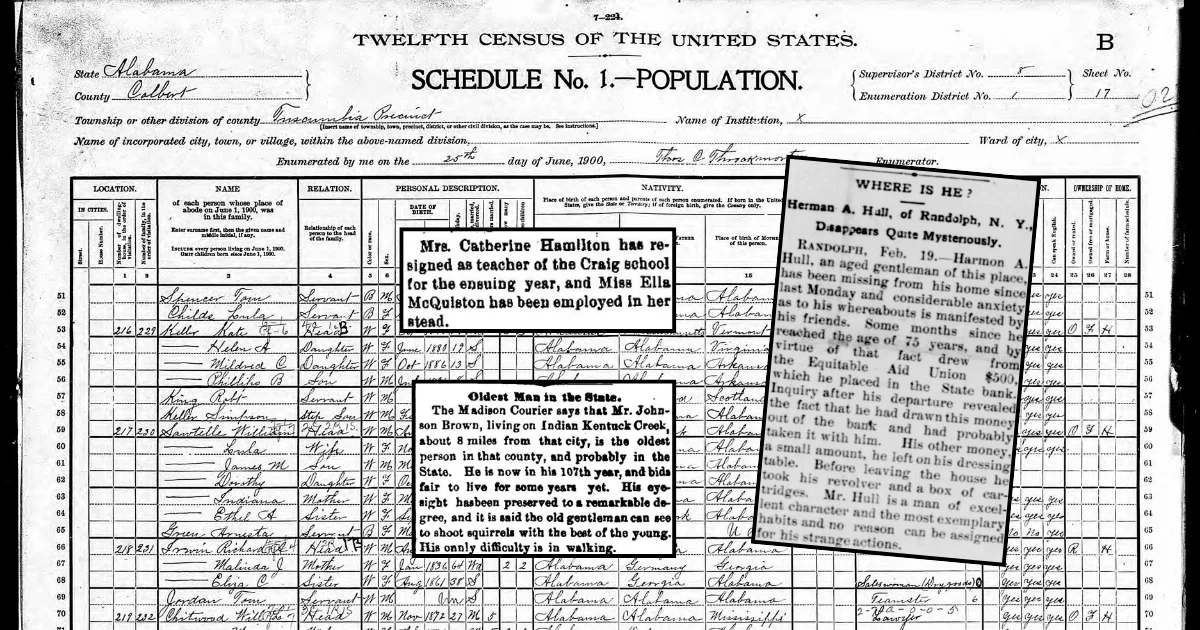
What Newspapers Reveal About Your Ancestors That Census Records Don’t
What newspapers reveal about your ancestors that census records miss—discover stories, relationships, and daily life hidden between official records.
Census records provide structured snapshots of your ancestors every ten years, but newspapers reveal the details in between—daily life, relationships, personal events, and community involvement. By searching newspapers, especially small-town publications, you can uncover stories, addresses, occupations, and moments that bring your ancestors to life in ways census records alone cannot.
Quick Answer
Census records show where your ancestors lived and who was in their household, but newspapers reveal the details in between: daily life, relationships, personal events, and community involvement. By searching newspapers, especially small-town publications, you can uncover stories, addresses, occupations, and moments that bring your ancestors to life in ways census records alone cannot.
Census records give you structure. Names, dates, places. But newspapers? They give you life. If you’ve ever looked at a census and wondered what your ancestor was actually like, newspapers are where those answers begin.
Why Census Records Only Tell Part of the Story
Census records are essential for building a family tree, but they’re limited by design.
They capture a single moment in time, recorded every ten years, and only include specific details collected by the enumerator.
That means they often leave out the most human parts of your ancestor’s life.
Census records typically don’t tell you:
What your ancestor was known for
Who they interacted with outside their household
What happened between census years
Personal struggles, milestones, or daily routines
How they fit into their community
They show you who was there. They don’t show you what was happening.
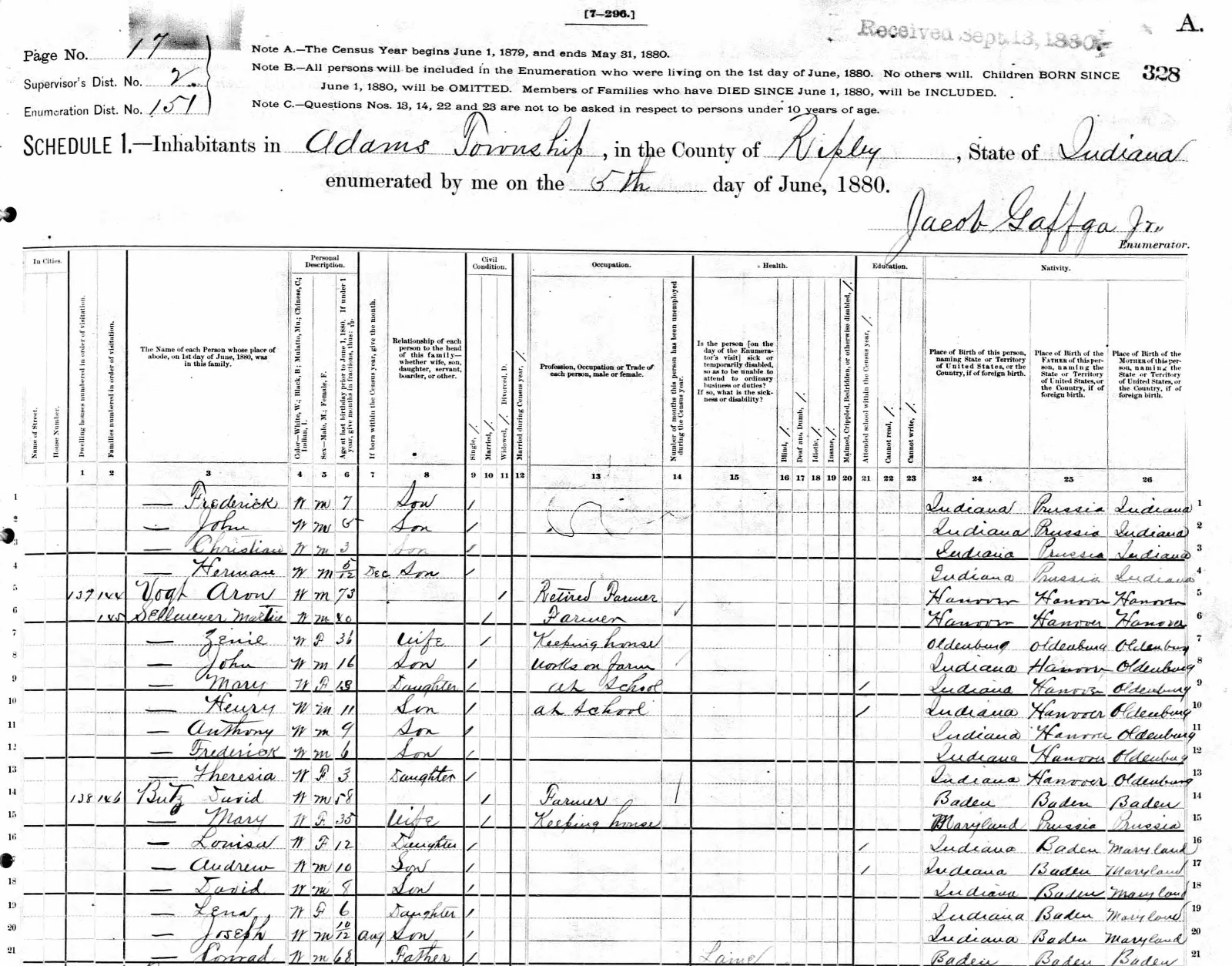
What Newspapers Reveal About Your Ancestors
Newspapers fill in the gaps between official records. They capture real-life moments as they happened, often in surprising detail.
Daily Life and Personality
This is where your ancestor starts to feel real.
You might find:
Social column mentions (“visited relatives,” “hosted guests”)
Club memberships and hobbies
School activities and achievements
Church and community involvement
These small mentions add personality to your research.
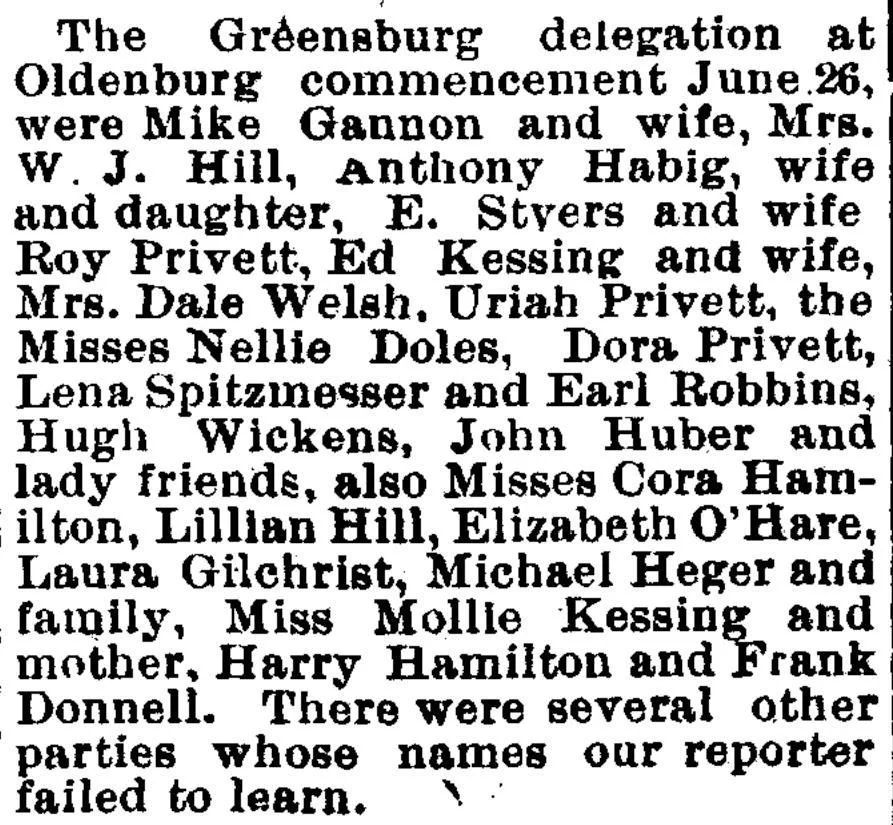
Relationships Beyond the Household
Census records show who lived together.
Newspapers show everyone else.
You may discover:
Visiting relatives from out of town
Close friendships and neighbors
Extended family connections
Social circles that shaped your ancestor’s life
These details often lead to new research breakthroughs.
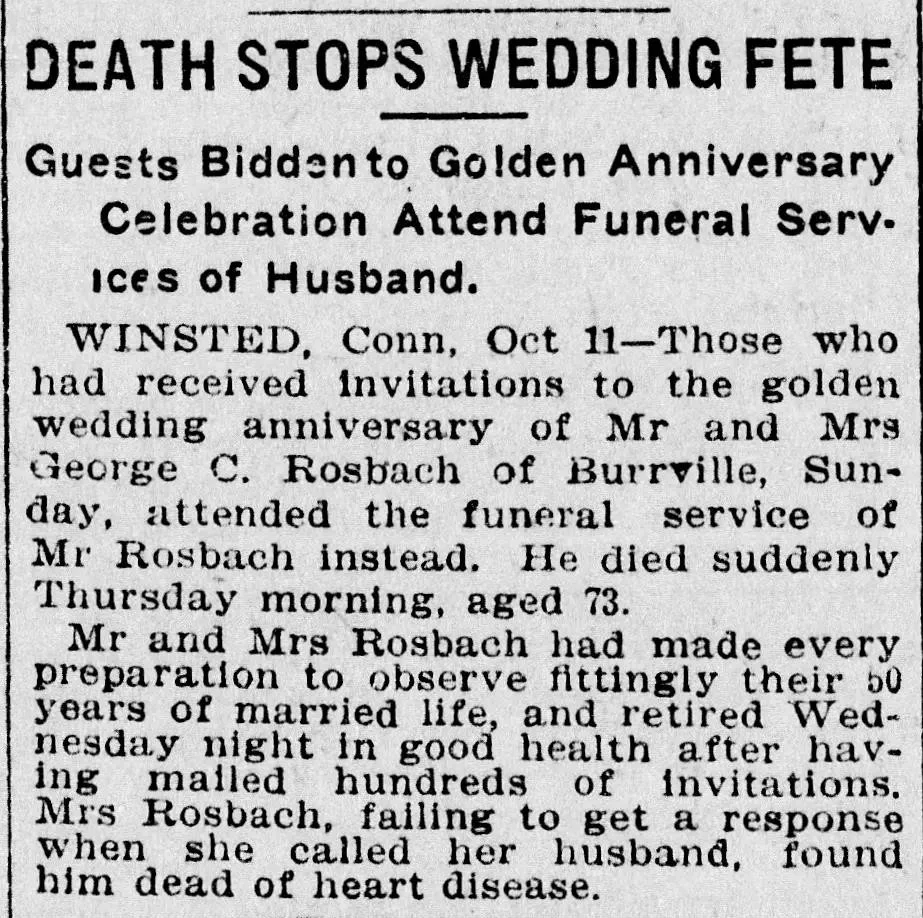
Life Events That Census Records Miss
Census records give structure. Newspapers capture moments.
Look for:
Engagement and wedding announcements
Anniversary celebrations
Illnesses and recoveries
Travel and visits
Military service updates
For more, see our guide on how to find engagement, weddings, and marriage records in newspapers.
Unexpected Stories and Turning Points
Some of the most meaningful discoveries come from events you weren’t expecting to find.
Newspapers may reveal:
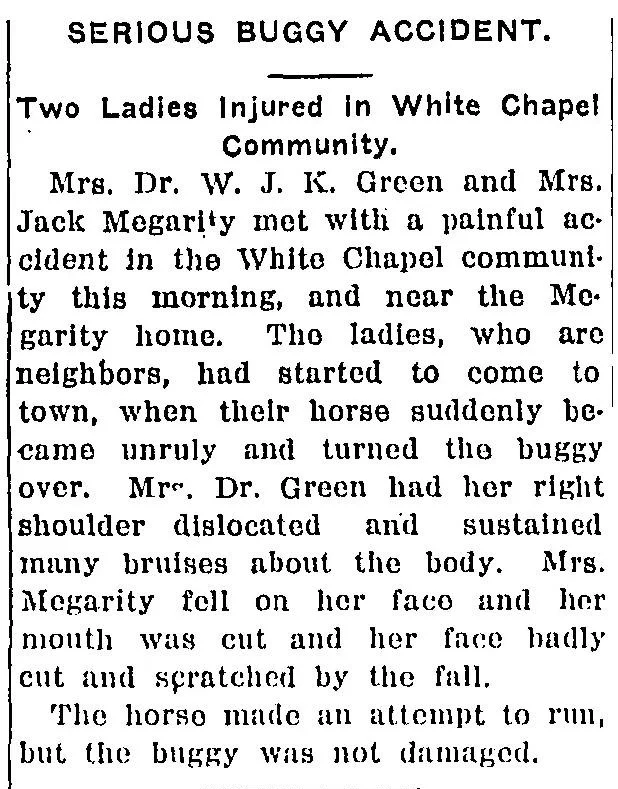
Accidents and injuries
Legal issues or court cases
Business ventures or failures
Public recognition—or controversy
These moments often reshape how you understand your ancestor’s life.
Addresses, Occupations, and Movement
Census records list basic details. Newspapers expand on them.
You can find:
Exact street addresses
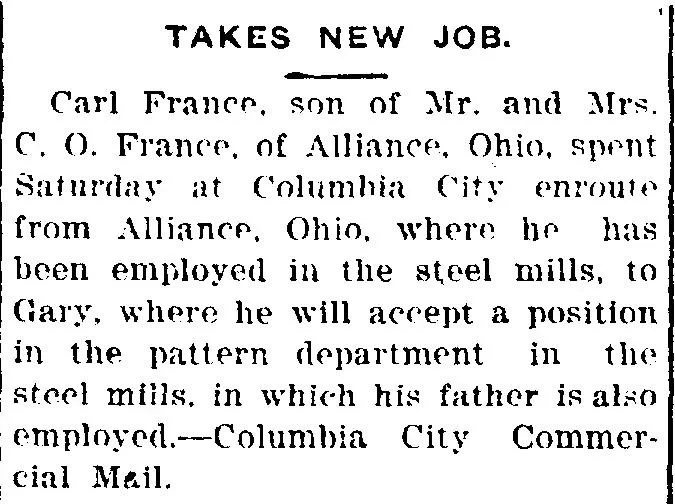
Job changes and promotions
Business ownership
Moves between towns or states
Census Records vs. Newspapers: Key Differences
Both sources are powerful, but they serve different roles.
Census Records:
Recorded every 10 years
Focused on households
Structured and consistent
Limited detail
Newspapers:
Published daily or weekly
Focused on individuals and events
Rich in detail and context
Capture stories, not just facts
The most complete research uses both together.
Types of Newspaper Clippings You Should Look For
The most valuable details are often hidden in small, easy-to-miss sections.
Start with:
Social columns
Local news briefs
Court and legal notices
School and church updates
Business ads and announcements
Community events
Accident reports
Travel and visitor notes
These brief mentions often contain names, relationships, and details unavailable anywhere else.
Why Small-Town Newspapers Matter
Big-city papers reported major events.
Small-town newspapers reported people.
This is where you’ll find:
Everyday mentions of ordinary individuals
Local context around your ancestor’s life
Details that never made it into official records
A single line in a small-town paper can reveal:
A family connection
A life event
A moment that would otherwise be lost
NewspaperArchive’s extensive small-town collection makes these discoveries possible.
How to Find These Details in NewspaperArchive
To uncover what census records miss, you need to search differently.
Start here:
Search by name + location
Include nicknames, initials, and spelling variations
Use everyday keywords
“visited,” “returned,” “entertained,” “injured,” “celebrated”
Search by address
Especially helpful in urban areas
Focus on years between censuses
This is where hidden stories appear
Search for relatives and neighbors
Your ancestor may appear in their stories
Browse local sections
Social columns and community pages are especially valuable
FAQ: Using Newspapers vs. Census Records
Are newspapers more reliable than census records?
Census records are official, but newspapers often provide real-time details and context that expand your understanding.
What if I can’t find my ancestor?
Try name variations, initials, or searching for relatives. Many mentions are brief.
Do newspapers include ordinary people?
Yes—especially in small-town papers where everyday life was regularly documented.
How do newspapers help between census years?
They fill in the gaps with ongoing updates about events, relationships, and daily life.
Should I still use census records?
Absolutely. Census records build the structure; newspapers bring the story to life.
Search Your Family Story in Newspapers
Census records give you the outline, but newspapers reveal the details that make your family story meaningful.
Search historical newspapers on NewspaperArchive by name, place, or event to uncover stories that don’t appear anywhere else.
Conclusion: Census Records Build the Tree—Newspapers Tell the Story
Census records give you the framework.
Newspapers give you the story.
They reveal:
Personality and daily life
Relationships beyond the household
Events that shaped your ancestor’s life
When you combine both, your research becomes more than a list of names. It becomes a story you can actually tell.