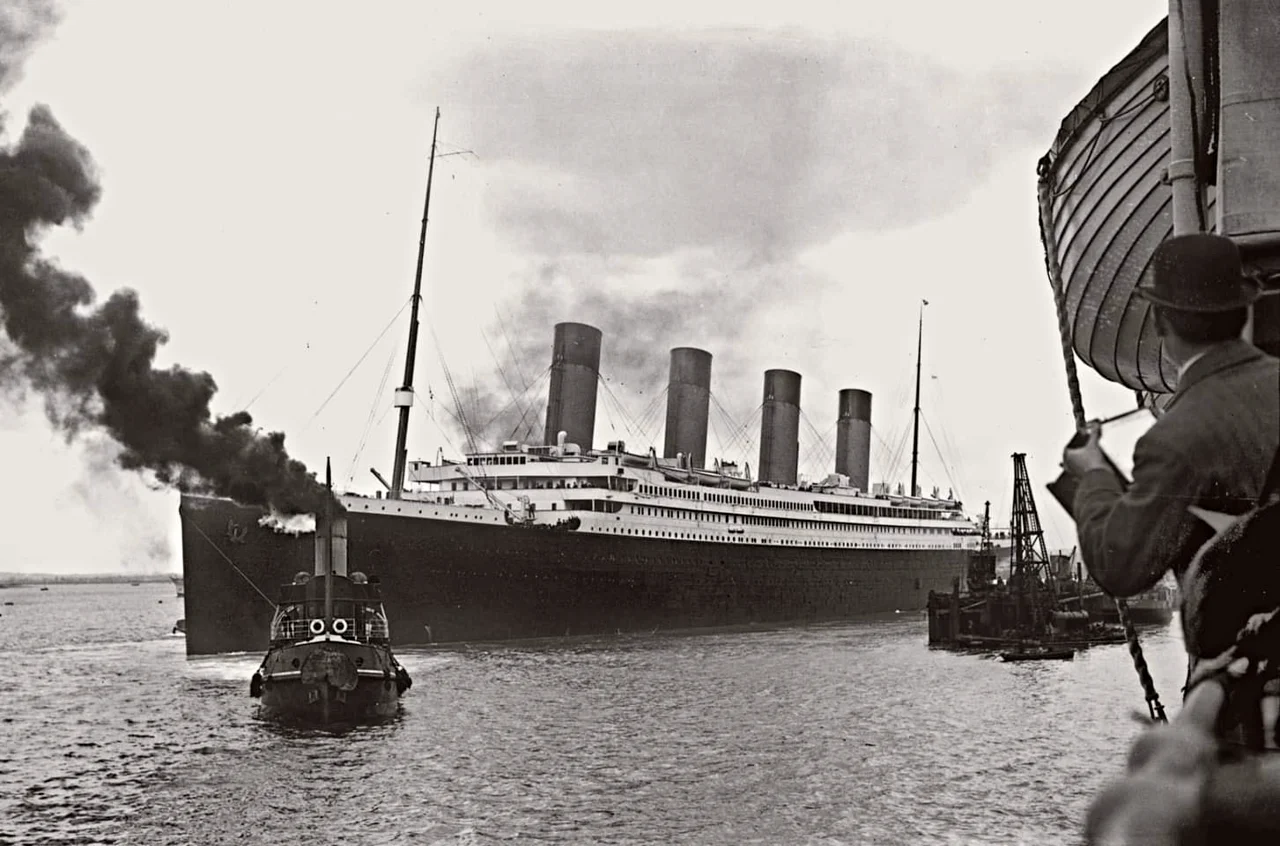
Titanic Newspaper Headlines from 1912: How the Disaster Was Reported
Discover how the Titanic disaster was reported in 1912 newspapers—headlines, survivor stories, and real-time coverage that reveals a different story.
Newspapers in April 1912 reported the Titanic disaster as it unfolded, often with conflicting early headlines before the full scale of the tragedy was known. Coverage quickly shifted to survivor accounts, casualty lists, rescue efforts by the Carpathia, and later recovery operations. These articles capture not just what happened, but how people understood the event in real time. Searching terms like “Titanic April 1912,” passenger names, “Carpathia,” or “survivors” can reveal firsthand stories and details not found in modern retellings.
In early 1912, newspapers couldn’t stop talking about the newest marvel of modern engineering—the RMS Titanic.
Dubbed the “New Monarch of the Seas,” the ship was celebrated for its size, luxury, and innovation. With a price tag of $7.5 million, dual 50,000-horsepower engines, and space for thousands of passengers, it was more than a ship—it was a symbol of progress.
And then, in a matter of hours, everything changed.
When the Titanic disaster unfolded in April 1912, newspapers around the world raced to report the unimaginable. What followed was a wave of headlines, confusion, survivor accounts, and human stories—many of which still surprise us today.
You may think you know the story. But the newspapers tell it differently.
See how the story unfolded in the headlines themselves.
How Newspapers First Reported the Titanic Disaster
The Titanic set sail from Southampton, England, on April 10, 1912. Just four days later, late on the night of April 14, it struck an iceberg in the North Atlantic.
But if you had picked up a newspaper the next morning, you might not have known the full truth.
Early reports were inconsistent. Some suggested the ship was damaged but safe. Others hinted at something far worse. It wasn’t until days later that the scale of the tragedy became clear.
Newspapers became the primary source of information—delivering updates as they unfolded, often in real time and sometimes with heartbreaking inaccuracies.
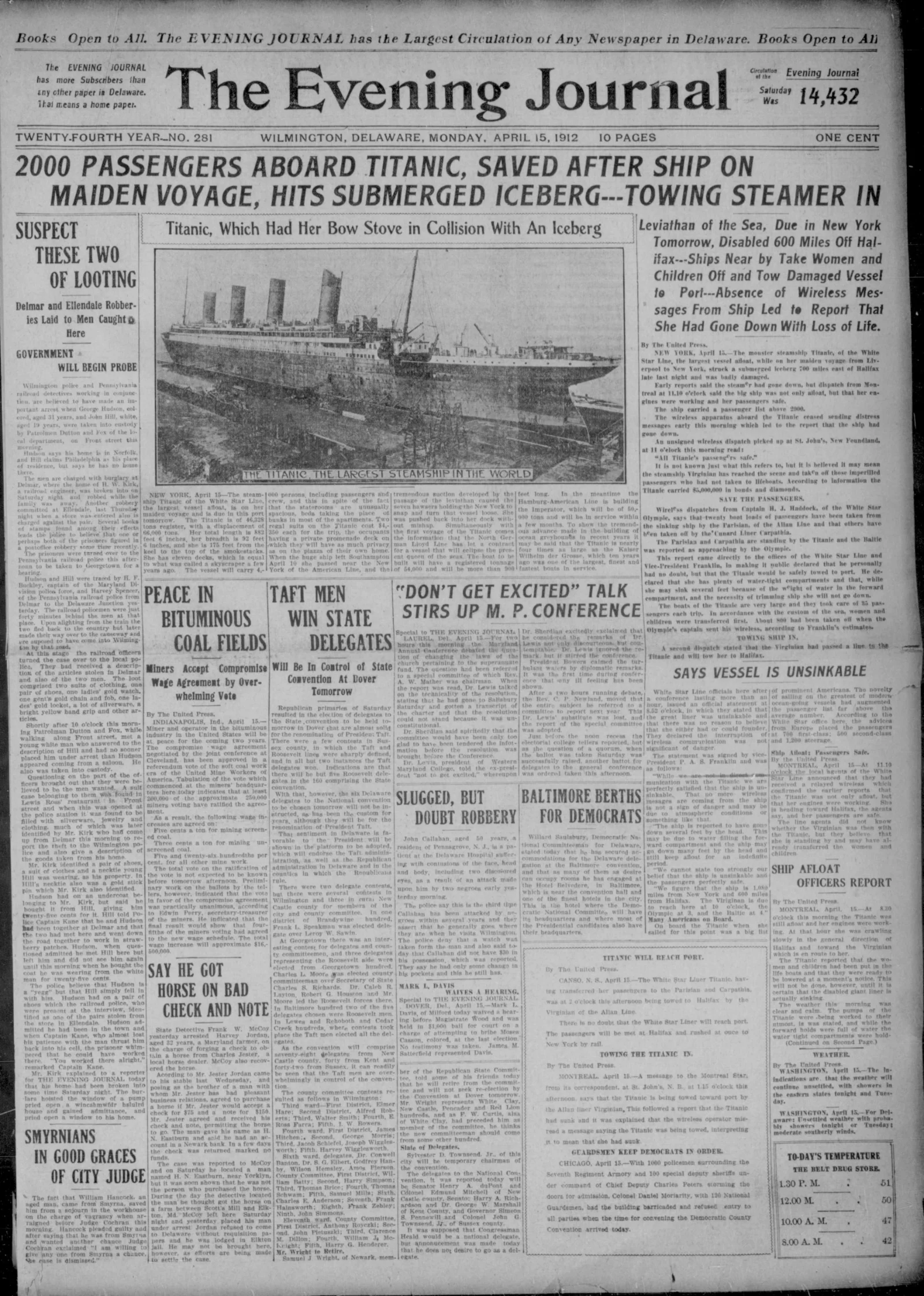
Confusion, Headlines, and the Race for Information
Publications like The Standard of London filled entire pages with coverage of the disaster. By April 17, lists of survivors and those still unaccounted for began appearing in print.
But even in these lists, there were gaps.
One small snippet in the coverage quietly revealed a devastating truth: passengers in steerage—the lowest class—were disproportionately missing. Unlike first- and second-class passengers, many of whose names were never fully recorded or published.
It’s a detail easy to overlook—but impossible to forget once you see it.
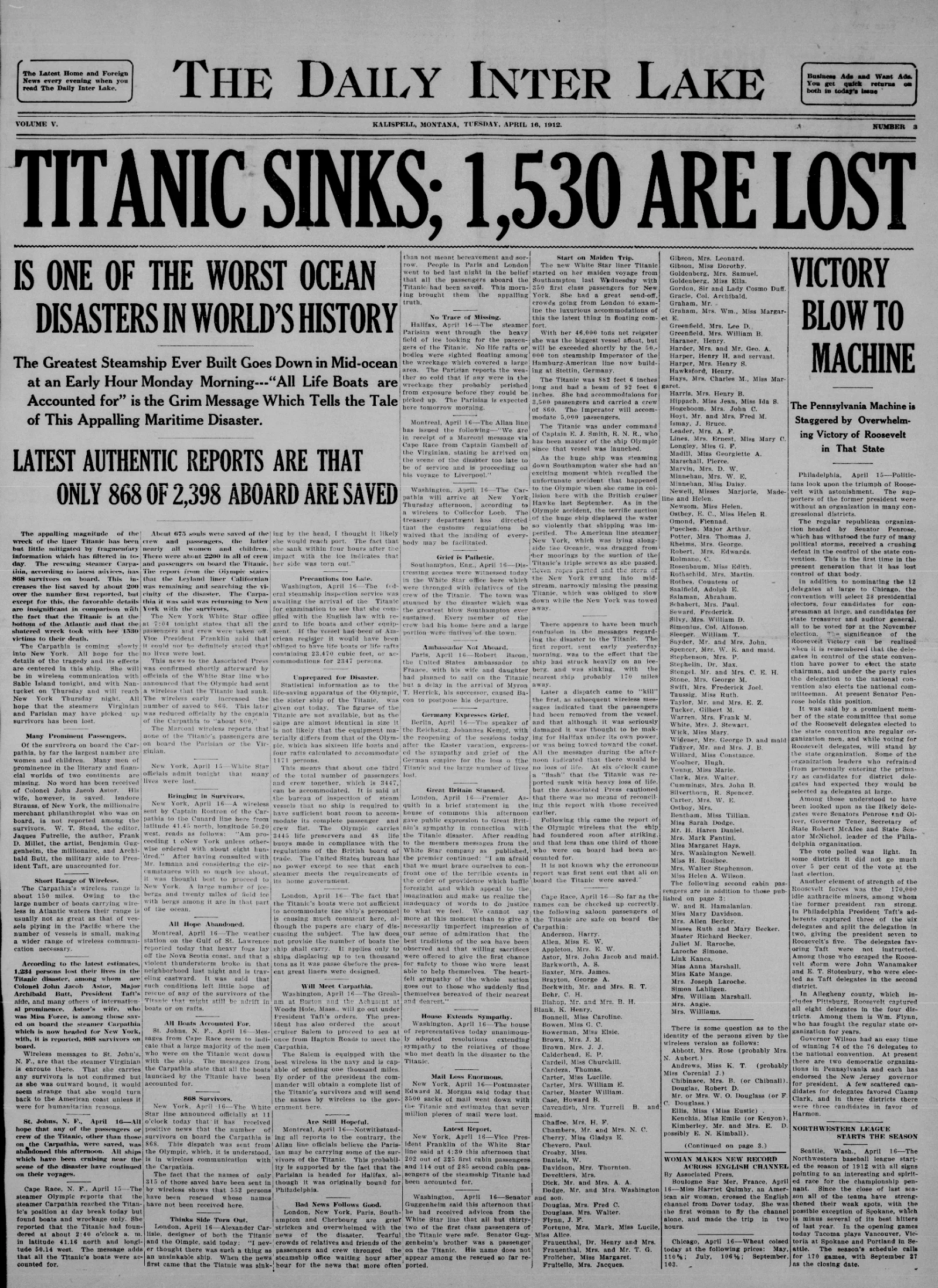
Waiting for Answers: The Arrival of the Carpathia
Across the Atlantic, anticipation built as the RMS Carpathia made its way to New York carrying survivors.
Newspapers like The Anaconda Standard captured the tension of the moment. The world waited for firsthand accounts—stories from those who had witnessed the sinking.
Early reports included:
Partial lists of rescued passengers
Images of the Titanic’s massive boilers
Questions about the number of lifeboats onboard
The tone had shifted. This was no longer about a damaged ship. This was about loss—and accountability.
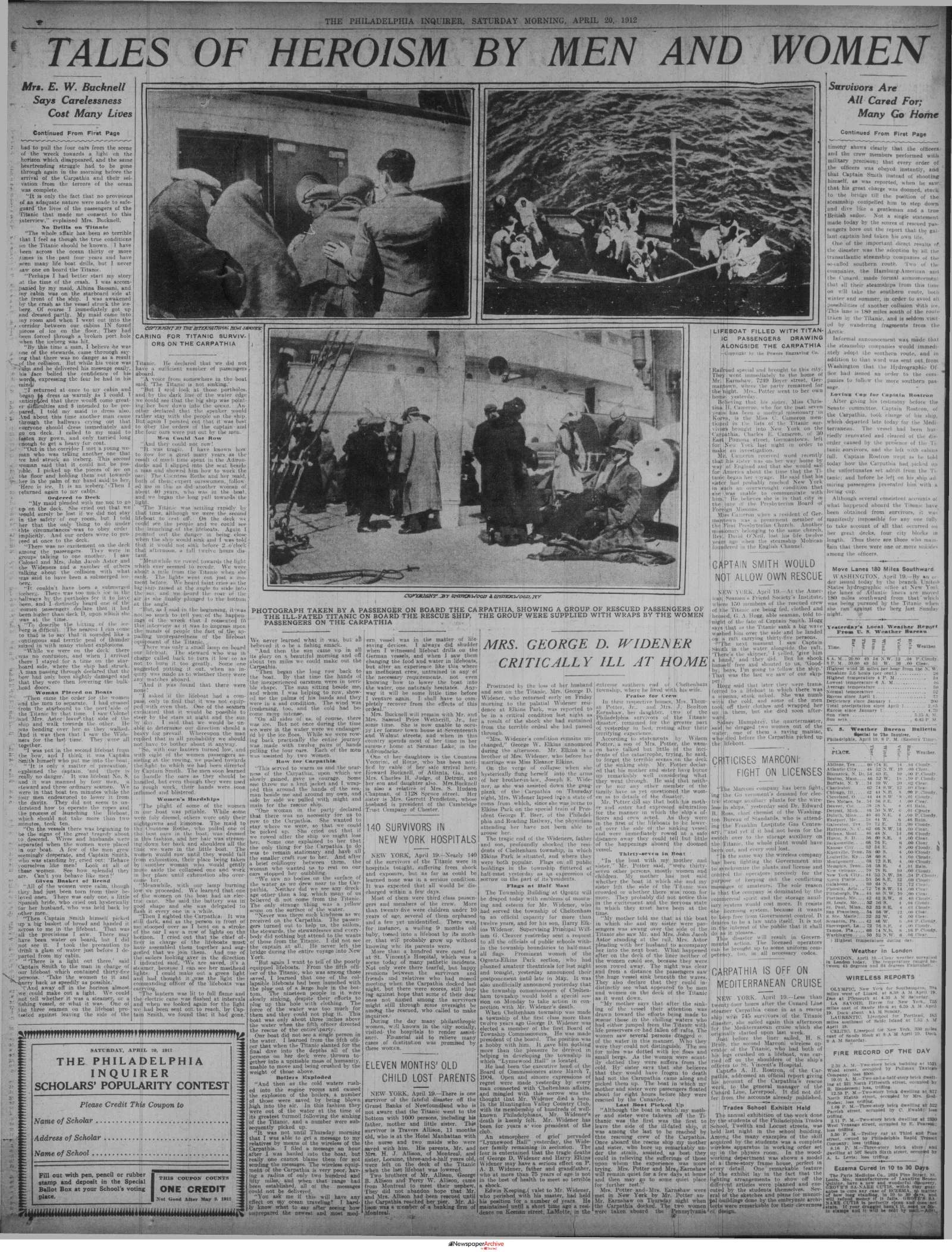
The Aftermath: Relief Funds, Lawsuits, and Grief
In the weeks following the disaster, newspapers began documenting what came next.
According to reports from The New York Times, relief efforts were quickly organized. Funds were established to support widows, survivors, and the families of victims.
At the same time, legal action began.
One widow filed suit against the Oceanic Navigation Steamship Company (the White Star Line), seeking compensation not only for lost belongings but for the loss of her husband.
These stories remind us that the Titanic didn’t end on the night it sank. Its impact rippled outward—into courtrooms, communities, and countless lives.
The Recovery Effort Few People Talk About
Here’s something many people don’t realize:
The recovery of victims became its own chapter in the story.
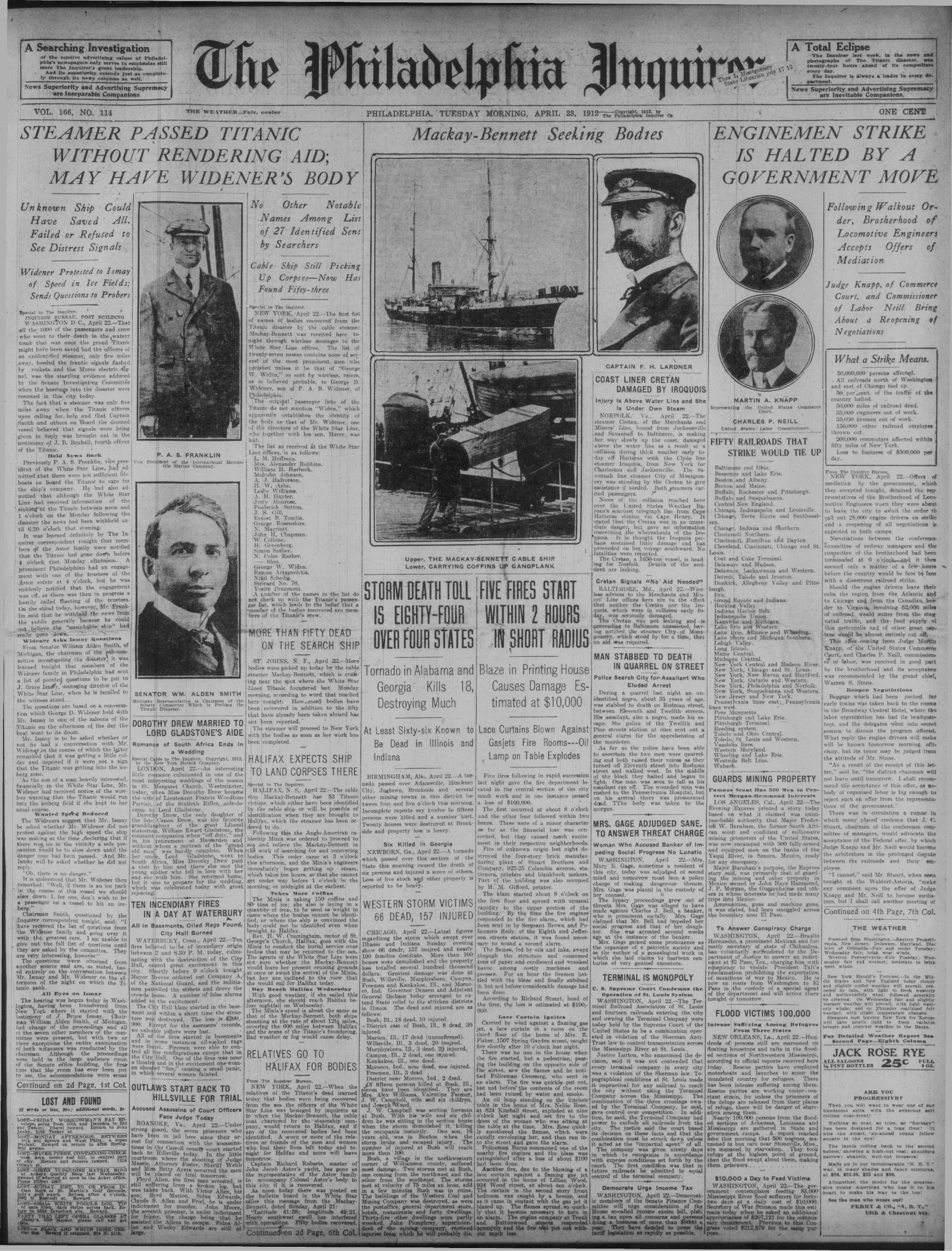
Ships like the CS Mackay-Bennett were sent to retrieve bodies from the icy Atlantic. They transported them to Halifax, where families waited, hoping for identification.
Even then, many were never named.
Newspapers reported that only a small percentage of the unidentified victims could be claimed, leaving families with questions that would never be answered.
How Newspapers Brought the Disaster to Life
Not every story was told through words alone.
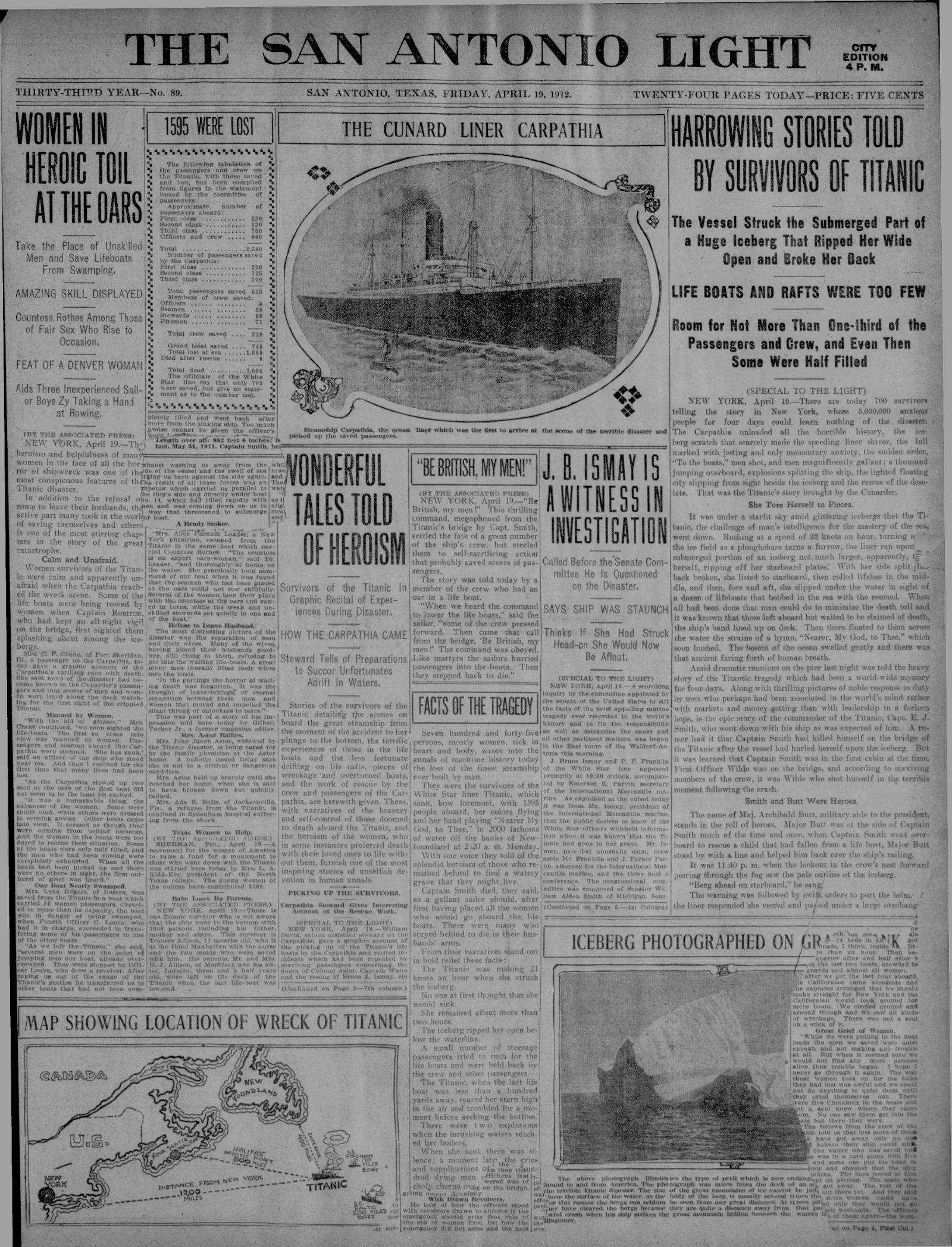
Publications like The San Antonio Light used powerful visuals to help readers understand the scale of the tragedy. These included:
Images of the Carpathia arriving with survivors
Illustrations of icebergs similar to the one struck
Maps showing the location of the sinking
These visual elements transformed the story from distant news into something immediate and real.
Why Small-Town Newspapers Matter in Titanic Research
While major city papers covered the Titanic disaster, some of the most personal and unexpected details appeared in small-town newspapers. These local publications often reported on passengers with ties to their communities, reprinted survivor accounts, and shared updates that mattered to readers waiting for news. In many cases, these smaller papers preserved names, stories, and perspectives that don’t appear in larger publications. With NewspaperArchive’s extensive collection of small-town newspapers, you can uncover these overlooked details—adding depth, context, and sometimes entirely new connections to the story of the Titanic.
Quick Facts About Titanic Newspaper Coverage
The Titanic sank on April 15, 1912
Early newspaper reports were often inaccurate or incomplete
Survivor lists were published over several days
Coverage included personal stories, legal actions, and relief efforts
Newspapers played a critical role in shaping public understanding of the disaster.
How to Find Titanic Newspaper Articles Yourself
If you want to experience this history firsthand, newspapers are one of the most powerful ways to do it.
Try searching for:
“Titanic April 1912”
Names of passengers or crew members
Cities where survivors were expected to arrive
Terms like “Carpathia,” “survivors,” or “relief fund”
You’ll often find more than just headlines—you’ll uncover personal stories, community reactions, and details that don’t appear in modern retellings.
Experience the Titanic Through Original Newspapers
Reading about the Titanic is one thing.
Seeing how it was reported—day by day, headline by headline—is something else entirely.
It puts you in the moment. It lets you follow the uncertainty, the hope, and the heartbreak as people experienced it in real time.
Frequently Asked Questions About Titanic Coverage in Newspapers
How did newspapers report the Titanic sinking?
Newspapers initially reported conflicting information about the Titanic. Some early headlines suggested the ship was damaged but safe, while others hinted at a much larger tragedy. As more details emerged over the following days, coverage shifted to confirmed loss of life, survivor accounts, and official investigations.
Were early Titanic newspaper reports accurate?
Not always. In the first 24–48 hours, many newspapers relied on incomplete or incorrect information. Some reports dramatically underestimated the number of casualties, while others published partial or evolving survivor lists that changed from one edition to the next.
What kinds of Titanic stories appeared in newspapers?
Coverage went far beyond the sinking itself. Newspapers published:
Survivor interviews and firsthand accounts
Lists of passengers rescued or missing
Reports on relief funds and aid efforts
Legal actions taken by families of victims
Editorials questioning safety measures, including lifeboat shortages
Why are Titanic newspaper articles still important today?
These articles capture the disaster as it unfolded in real time. They reveal not only what happened, but how people understood—and misunderstood—the events as they were happening. For researchers, they offer details, names, and perspectives that often don’t appear in modern summaries.