How to Know Venomous Snakes in Ohio and Nearby Regions
The article lists about twenty five snake varieties in Ohio and mentions two venomous rattlesnakes and the copperhead. It describes copperhead coloration hazel brown with coppery red, 15 to 26 V shaped blotches, and a 96 to 49 black spot row. notes lack of rattle and quick striking harm, but that it tends to disappear with land clearing. It references prairie rattler and common rattlesnake as other venomous species with color variation.
MENTIONED IN THIS ARTICLE
Ohio
Middle West
Pennsylvania
Pilot black snake and two large black snakes in meadows
The article contrasts non venomous pilot black snake with the blue racer and discusses their habitats and diets. It notes venomous snakes by vertical pupils and head pits, and explains snakes’ ecological roles including rodent control and occasional predation on birds and eggs. It cites meadow environments and ongoing mowing.
Prairie rattlers and other snakes in local ecology
A historical note discusses various snakes such as the prairie rattler and blue racer, their habits, habitats, and roles in the ecosystem. The piece argues snakes deter pests like meadow mice, describes their anatomy and feeding, and urges respectful coexistence, noting many species are beneficial or harmless.
Medicinal Value of Weeds and Wild Mints Described
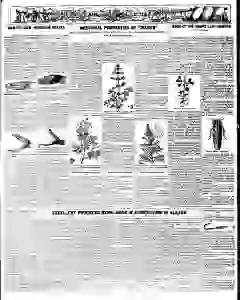
Weeds contribute to soil formation and may become cultivated crops through time. Peppermint and spearmint, among others, yield oils for medicine and industry, with vast cultivation in Michigan and New York. Celandine, horehound, and motherwort are noted for cathartic, expectorant, and stimulant uses, collected at specific growth stages and prices per pound vary by region.
MENTIONED IN THIS ARTICLE
Ito
Ross
Michigan
New York
Northoget
Roadaidea
Maine
Carolinas
Texas
California
Oregon
Nova Scotia
North Carolina
Minnesota
Nebraska
The Care of Pigeons and Loft Management
The article advises keeping window glass clean to let sunlight reach the loft interior and notes pigeon culture can be profitable yet warns against overoptimistic boosters. For increasing breeders, hatch August and September birds, as they will breed next spring, and explains loft design and space efficiency for higher production.
MENTIONED IN THIS ARTICLE
Yingling
Aize
Work of the grape leaf hopper
The grape leaf hopper damages vines by piercing leaf tissue and draining sap, reducing wood growth and fruit quality. Life cycle details show overwintering adults, multiple nymph instars, and a potential second brood. Effective control requires timely nicotine sprays directed at undersides of leaves, with precise concentration, spray coverage, and economic use.
MENTIONED IN THIS ARTICLE
Bana Coe
Watch the Horse s Teeth and Mastication Troubles
If a horse struggles to eat or loses flesh without cause, inspect its teeth. Elongated or ulcerated teeth hinder chewing and yield little nourishment. Broken or sore teeth also irritate mouths. examine two to three times yearly and file minor issues. Severe cases require a veterinary surgeon.
Orchard Suggestions for Timely Pruning and Stocking
Midsummer pruning aids rapid healing and is common among skilled orchardists. Market hint: ship fruit slightly green to avoid deterioration in transport and storage. Top grafting can transform poor seedlings into viable stock and Pesah trees offer strong stock for plums. Stocking fruit packages with farm names adds value if fruit quality remains high.
Crimson clover boosts corn yield and soil health after harvest
Crimson clover sown after last cultivation in corn fields adds nitrogen to the soil, reduces weeds, and improves subsequent crops. It supports grazing, fattens dairy cattle via improved milk yield, and provides early spring forage before turning under, with seed rates of 12 to 18 pounds per acre.
MENTIONED IN THIS ARTICLE
Gregor H. Girake
Kina
Progress in Alaska agriculture promises long term viability
A report by Prof Georgeson of the Alaska Agricultural Experiment Stations outlines expanded feasible farming in Alaska despite high transport costs and limited settlement. It details crossbreeding efforts for hardy strawberries and barley, the role of legumes, grain trials, and station work at Sitka Fairbanks Rampart and Kodiak. It notes climate effects on apples, potatoes and fruit, and describes cattle and sheep programs at Kodiak with Galloway stock aimed at versatile beef and milk production.
MENTIONED IN THIS ARTICLE
C. Georgeson
Alaska
Georgeson
Department of Agriculture
N. E. Hansen
South Dakota
Yaat
Siberia
Rampart
Sitka
Fairbank
Kodiak
Bitka
Pacific Ocean
Fairbanks
Tanana
Fairbanks Station
Yukon Valley
Iatitude
Scotland
Ome Fishing Pointers for Boys
The drawing shows the proper way to bait a hook with the hook held at right angles to the line to prevent tangling and guide young anglers in safe handling.
Tying a Sunfish Line and Farming Debate Snippet
The passage describes tying a line to a hook for sunfish and advises quiet handling after the first catch as fish travel in schools. It notes hog farming vs hop farming, a farmer selling 28 hogs for 600 dollars, and questions the value of selling votes for money amid debates on farming without water and arid conditions.
MENTIONED IN THIS ARTICLE
Harrison Miller
Atic
Also Mentioned on This Page
Jude
Europe
Crimson
Cohn
Ena

 This is just the beginning! Our collection holds over 300 years of history, including rare newspapers, obituaries, marriage records, birth records, and so much more—most of which you won’t find anywhere else!