Music Roll Cover Question
A reader describes a male roll cover that starts fresh at term start but quickly looks worn with daily use and suggests replacing the roll when signs of wear appear.

 This is just the beginning! Our collection holds over 300 years of history, including rare newspapers, obituaries, marriage records, birth records, and so much more—most of which you won’t find anywhere else!
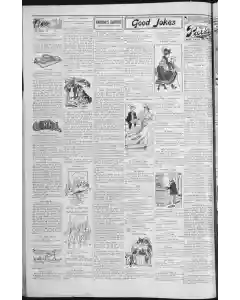
This newspaper page contains 23 articles. Subscribers can read the full text of each article.
Newspaper
The Silver Messenger
Location
Challis, Idaho, United States of America
Date
Dec 03, 1907
Page
6
A reader describes a male roll cover that starts fresh at term start but quickly looks worn with daily use and suggests replacing the roll when signs of wear appear.
The article describes turning a worn cave cover into beauty using embroidered olive cashmere and moss green plush. It suggests cylinder knit or crochet sleeves, cardboard centers, silk cords with plush or tassels, and durable plain linen options with colored embroidery for a practical, decorative cover.
A Newfoundland named Rover saved a child and retrieved a lost boat during a seaside holiday. The brave dog swam out to fetch the stranded Saucy Polly and bring it back to shore, earning cheers and a cherished place as the children’s hero and spoiled pet.
The article argues hedgehogs aid gardens by eating harmful insects and pests. It notes hedgehogs can reduce slugs worms and garden pests in kitchens cellars and homes, urging readers to spare these useful animals. It emphasizes their beneficial role in protecting vegetables and keeping pests under control.
An old anecdotal piece questions stories of coconut harvesting in South America and Africa. It suggests men climb trees to pick coconuts while monkeys disrupt gear, then contrasts with claims that no such work occurs and jokes about the monkey as a mischievous star of the forest.
Fragmented verse sketch describes pea pod boats with brave sailors and childlike guidance to help mother make a small boat from a pod though lines are muddled with stray phrases about oars and old habits. Names and clear events are absent, leaving a whimsical, incomplete scene.
Three boys in a rowboat cause a minor commotion as a playful incident unfolds at school. A teacher called Preddy warns them not to laugh loudly, while one boy named Jelly recalls an accidental mishap during a mailing mix up.
A Baltimore American quip notes how the Bullyons entered social circles by leveraging Wall Street influence. The remark contrasts old Bullyons with their modern plunge into elite society.
Harding alights at a desolate station and intends a romantic surprise at the judge's house. He finds his fiancée is not waiting but asleep inside, mistakes the cook for his partner, and a dramatic mistaken kiss leads to a hasty retreat as townsfolk cry for help. He abandons the plan and contemplates morning arrival.
A mixed set of comic bits and reader gags are presented with snappy lines. A doctor scene turns into a warning about a boy’s fate while other quips joke about persuasion speed and daily costs. The cut of jokes includes a cartoonish doctor, a misfired punishment line, and light social quips from various papers.
A collage of short quips and dialog from various Chicago papers. Snappy lines include poetic misreadings, aging jokes, cemetery buying woes, and social banter. The humor shifts through personalities and local scenes, ending with a cherry jest about women cab drivers.
In a college setting, a student recounts telling the governor about hiring a tutor to advance, who was paid with an extra check for the tutor’s expense. The tutor turns out not to be a traditional private tutor but a chauffeur.
In a conversational item from the Chicago Daily News two speakers discuss Harix and Outcake planning a trip to the city. The tone suggests curiosity about Harix rising to prominence and whether he will act boldly while traveling with a large entourage.
A Yonkers Statesman anecdote highlights a Woman's club member who admits she did not vote because a lengthy debate on women's suffrage on the way to the polls caused her to miss polling hours. The exchange shows civic engagement and the vote’s time constraints.
A Chicago clerk notes a guest in room 23 complains constantly, despite paying for board, as the proprietor letters reveal an ongoing dispute over service and behavior in a humorous chronicler’s voice.
Fragmentary notes capture readers discussing weather moods, political quips, and social anecdotes from Yonkers and Chicago. The piece mentions ministers, wedding fees, and public figures in a vignette of lively civic chatter.
A brief humor exchange centers on Mr Jolt-He unable to breezily joke through his own material. Mrs Jolt suggests the jokes fall flat because they are his. The fragmentary line ends with Yonkers Statea mun.
A garbled exchange hints at seasonal pride and proverbial wisdom. The chatter references well known maxims and a playful back and forth between speakers Gyer and Myer. The fragment suggests a light locals tone and cultural quips from a historic page.
A fragment listing titles and notes on The Best Man by Harold Grath and The Morning, a collection by James Whitcomb Riley. It praises readable fiction, quotes on art and chance, and highlights the Spanish quinine sunflower claim and Riley’s poetry as accessible to everyday readers.
A trout tagged near Aberdeen swam 120 miles in 43 days and nearly doubled in weight, while a Northumberland release shows no length gain. The page also reviews Senator Beveridge’s Bible reading book and notes wooden soldiers found in Egypt. An essay argues dullness versus learned vanity, citing Balfour on education and character.
The Russkoye Zuaila reports on alleged Jew led plots by democrats to inoculate a virus, citing a supposed anarchist Keapothio as source. The piece frames these claims as a dangerous conspiracy within the union press.
The article estimates typhoid fever costs the United States billions yearly. It urges households to adopt preventive measures to reduce the burden and prevent greater expense, stressing widespread participation.
A fragment describes ostrich feathers being taken during an event, mentioning months and the plumes being pulled with a sharp knife. The text is unclear but portrays feather collection methods and timing.
We want people to find what they are looking for at NewspaperArchive. We are confident that we have the newspapers that will increase the value of your family history or other historical research. With our 7-day free trial, you can view the documents you find for free.
People find the most success using advanced search. Try plugging in keywords, names, dates, and locations, and get matched with results from the entire collection of newspapers at NewspaperArchive!
You can also successfully find newspapers by these browse options. Explore our archives on your own!
Browse by location and discover newspapers from all across the world.
Browse by date and find publications for a specific day or era.
Browse old newspaper publications to find specific newspapers.