In-Line Skating Safety Tips and Lessons
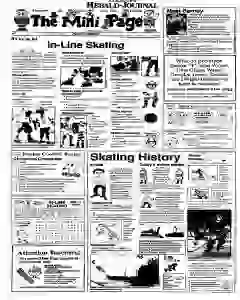
In line skating grows fast and can be dangerous if unprotected. Readers should treat inline skates as transportation, wear helmet and pads, and take lessons from licensed instructors. Lessons cover stopping, stance, balance, bending knees, and basic skating techniques.
MENTIONED IN THIS ARTICLE
Aobskatej Brampp
How to fall Go for the plastic skate safety guide
Instructions advise landing on protective pads, skating alertly, controlling speed, and avoiding hazards. Warns against water oil sand and heavy traffic and to avoid impairing gear. Emphasizes legal skating, traffic rules, yielding to pedestrians and signaling passing loudly.
In-line skating history and roller hockey basics
In-line skating dates to Holland in the early 1700s with boot spools. James Plimpton's 1863 roller skates introduced side by side wheels. Quads got urethane wheels in the 1970s and rubber toe stops. Skateboarding arose on the West Coast in the 1960s. Roller hockey uses a stick and rubber ball or puck, five players per team, a goalie, and courts vary in size.
MENTIONED IN THIS ARTICLE
Holland
Scott
Brennan Olson
Minnesota
James Leonard Plimpton
West Coast
Also Mentioned on This Page
Santa
Skate
Barney
Sheryl Leach
Texas
Connecticut
Baby Bop
Bob Hope
Doctor “J
John Wayne
John Glenn
Wayne Gretzky
Jimmy Durante
Dwight Eisenhower
Herald-Journal
aSmor Mimi
Leslie Powers
J T. Taylor
Allyson Chappell
Brollwre
Jforward Aaugcheg
ECNA
Greg Keim
American In-Line Skating Inc
Eosin Power Rollers Inc
Arlington, Va
Examiner
ISA
United States
Udo
Joanne Britton Dieck
Educational Et A

 This is just the beginning! Our collection holds over 300 years of history, including rare newspapers, obituaries, marriage records, birth records, and so much more—most of which you won’t find anywhere else!