Weather Not Sole Cause Of Poor South Dakota Crops
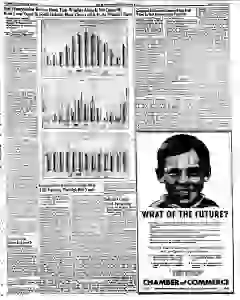
Soil Conservation Service concludes weather alone did not cause repeated crop failures in South Dakota as droughts and erosion struck during the 1930s and 1940s. Wind and rainfall patterns are analyzed, with emphasis on soil management, tillage, residue, and moisture conservation. Demonstration projects show farmers adopting practices to reduce wind erosion and stabilize yields despite limited rainfall.
MENTIONED IN THIS ARTICLE
Soil Conservation Service
South Dakota
S. D
T. Paulson
United States Weather Bureau
Minneapolis
Minn
Huron
Iowa
Murdn
Ilinois
Wolsty-Shue Creek
Enthusiasm Grows for Ziebach Mattress Program
In Ziebach County the mattress program shows strong uptake with 70 Indians and 87 whites applying for 227 mattresses totaling 182 applications. More applicants expected as centers expand, with eight work centers already established and work planned for late March or April.
MENTIONED IN THIS ARTICLE
Wupree
Ziebach
Conrad R. Simonsen
Federal Seed and Feed Loans Aid Tide Farmers in Hard Years
The Emergency Crop and Feed Loan Program explains seed and feed loans started in 1918 and expanded in 1931, aiding farmers unable to obtain credit. Loans up to 400 dollars address seed, feed, subsistence livestock, and fuel needs, with eligibility tied to first liens and local farming practices.
MENTIONED IN THIS ARTICLE
Wilson
Federal Band Bank
Treasury Department
Department of Agriculture
Congress
Secretary of Agriculture
Farm Credit Administration
Emergency
AAA
Nebraska
South Dakota
Iowa
Wyoming
Omaha
Washington
State
Act of Congress
Credit system aids farmers with short term crop finacing
Elmer R. Anderson serves as the South Dakota state supervisor, based in Huron, overseeing a program that rounds out and supplements federal, cooperative, and private credit for farmers by providing short term credit for crop production purposes.
MENTIONED IN THIS ARTICLE
Elmer R. Anderson
South Dakota
Huron
Grandson of Russian Pioneer Champions Soil Conservation
A farmer reflects on soil conservation as a national issue needing government aid and education. He recalls drought damage, past overgrazing, and the need to restore pasture, trees, and wildlife while sharing a Russian nobleman's methods and urging future generations to farm responsibly.
Salt Poisoning From Cornstalk Ground Warned by Betts
Betts warns that feeding cattle on cornstalk ground with salt can trigger cornstalk poisoning. Prussic acid in cyanogenetic glucoside is released by emulsin after frost or chemical action, killing cattle even when salt is given. The process, possible enzye driven, may also affect poorly cured hay or cane.
MENTIONED IN THIS ARTICLE
Betts
DH. C
Also Mentioned on This Page
Chae
Tare
Ourself
Fyenne
Arass
Middle West
Soil Conservation District
Granddad
Russia
Black Sea
Lend Tras
Europe
Duislana
Hheman
Mano
The
Huron Chamber of Commerce
Legislature
Chamber of Commerce
Certrai
Bouth Daxota

 This is just the beginning! Our collection holds over 300 years of history, including rare newspapers, obituaries, marriage records, birth records, and so much more—most of which you won’t find anywhere else!