How We Learn About the Moon
The article outlines why humans know so much about the moon, highlighting long term study and systematic observation of our night sky. It emphasizes the role of ongoing exploration in expanding understanding of lunar features and movements.
Moon Phases Observed by Ancient Cultures
Reading the night sky, ancient peoples used the moon to track its phases, note changing shapes, and follow its eastward motion, revealing a early astronomy practice.
Ranger mission images and details of 1965 moon crash
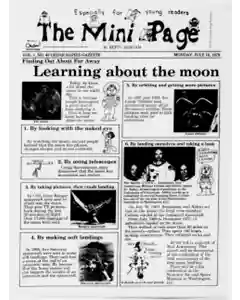
In 1965 three Ranger spacecraft were aimed to crash into the moon. They transmitted television pictures in the final 20 minutes of flight and sent over 17 000 close ups of the lunar surface.
MENTIONED IN THIS ARTICLE
Ranger
Moon
Soft landings by Surveyor craft reveal lunar soil support
In 1968 five Surveyor spacecraft conducted soft landings each equipped with a scoop on an automated arm. The missions showed lunar soil can bear the weight of astronauts and the lander itself.
MENTIONED IN THIS ARTICLE
Surveyor
Photographic Lunar Orbiters Map Moon Surface
In 1967 and 1968 five Lunar Orbiters photographed almost the entire moon. The images helped scientists select landing sites for Apollo astronauts.
MENTIONED IN THIS ARTICLE
Moon
Lunar Landing Anniversary and Apollo 11 Milestones
The Apollo 11 crew Neil Armstrong Michael Collins and Edwin Aldrin Jr. landed on the moon on July 20 1969 with Armstrong and Aldrin walking the surface while Collins orbited. From 1969 to 1972 twelve astronauts walked the moon totaling over 60 miles and 160 hours of experiments.
MENTIONED IN THIS ARTICLE
Neil Armstrong
Michael Collins
Edwin Aldrin Jr
Armstrong
University of Cincinnati
Aldrin
Collins
Smithsonian Institution
Washington, D.C
Moon
Also Mentioned on This Page
Ranger Spacecraft
Happy — &Nniversary
Moon Landing
National Air and Space Museum

 This is just the beginning! Our collection holds over 300 years of history, including rare newspapers, obituaries, marriage records, birth records, and so much more—most of which you won’t find anywhere else!