
 This is just the beginning! Our collection holds over 300 years of history, including rare newspapers, obituaries, marriage records, birth records, and so much more—most of which you won’t find anywhere else!
Regional views split over nuclear plants across New England
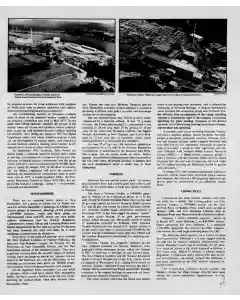
In Maine Vermont New Hampshire and Connecticut debates on nuclear power dominated the spring and summer of 1975. Referendum support favored Searsport’s proposed site while Castine and Islesboro balked. Seabrook Seabrook hearings drew opponents citing water emission risks and evacuation challenges. Vermont Yankee faced lawsuits and a troubled record but remained operational amid ongoing licensing fights. Connecticut hosts Millstone plants with plans for Millstone 3 amid anti nuclear activity.
MENTIONED IN THIS ARTICLE
Searsport
Castine
Islesboro
Maine
Safe Power For Maine
Economic Resources Council of Maine
ERCOM
New Hampshire
Public Service Co
Seabrook
State Public Utilities Commission
Nuclear Regulatory Commission
Atomic Safety and Licensing Board
New England Coalition On
Seacoast Anti-Pollution League
Society For the Protection of New Hampshire Forests
The
Audubon Society
New Hampshire Public Service
Meldrim Thomson
New Hampshire Executive Council
United Illuminating Co
Northeast Utilities
New England
Green Mountain Power Co
Vermont
Vermont Yankee
Vernon
Connecticut River
Central Vermont Public Service Co
U.S
Atomic Energy Commission
ERDA
New England Coalition On Nuclear Pollution
New England Coalition
Natural Resources Defense Council
U.S. Circuit Court of Appeals
Washington, D.C
AEC
Connecticut
Connecticut Yankee
Haddam Neck
Millstone Point
Waterford
Millstone 1
Millstone 2
Millstone 3
NRC
Millstone 1 and 2
Naval Shipyard
Groton
Robert D. Pollard
Connecticut Citizens Action Group
People’s Action For Clean Energy
PACE
OBZ