America Must Set an Example for All the World Says Wilson
The speech argues there is value in being right without force and that America should lead not by fighting but by peaceful influence. Wilson urges a distinct American consciousness that unites mankind through uplifting passions instead of strife.
MENTIONED IN THIS ARTICLE
America
Woodrow Wilson
Spees
U. S
Blankenburg
United States
President Wilson Urges Peace and Humanity at Philadelphia
President Wilson addressed 4,000 naturalized Americans in Philadelphia on May 10, signaling the possible U S course amid the Lusitania disaster. He urged peace as a healing force, warned against fighting for glory, and stressed that America must model humanity while guiding nations away from jealous camps. Applause and patriotic displays accompanied his remarks as he spoke of citizenship and unity beyond birth groups.
MENTIONED IN THIS ARTICLE
Philadelphia
Wilson
United States
Germany
Lusitania
New York
Alton B. Parker
Maine
McKinley
Wilsons Peace Message Sparks World Service Debate
Official Washington weighs President Wilsons plan for a peace more honorable than war as nations question Americas role in global service. Secretary Bryan releases Bernstorffs note of regret over Lusitania casualties while Germany blames Britain for starving civilians. A German reply to Gerard may follow.
MENTIONED IN THIS ARTICLE
Washington
Philadelphia
World Service
Wilson
United States
Lusitania
Count Bernstorff
State Department
Bryan
Hves
Germany Expresses Deepest Sympathy Over Lusitania Loss
Berlin cables its message to Washington asserting Germany’s condolences for American lives lost aboard the Lusitania while blaming Britain for submarine war and ship armedness. It notes England’s warnings and claims the vessel carried contraband and war material. The note laments American trust in English promises over German warnings.
MENTIONED IN THIS ARTICLE
Berlin
Foreign Office
Washington
State Department
Germany
Charles Beresford
England
America
Britain to Arm Merchant Ships as War Lampoons Trade
London May 1 British policy shifts to arm merchant ships and speed up gun provisioning. The sinking of the Tasitania has prompted action. The government will likely seek talks with Washington on regulations for armed merchantmen entering American ports.
MENTIONED IN THIS ARTICLE
Britain
America
London
Tasitania
Tham Sertain
Washington
Chaos in Mexico Deepens as U.S. Policy Faces Change
A Texas envoy reports that Carranza Villa and other Mexican leaders cannot restore order, warning that US watchful waiting risks intervention and war. Secretary Bryan backs a radical policy shift to end the chaos engulfing Mexico.
MENTIONED IN THIS ARTICLE
Mexico
Bryan
West
Carranza
Villa
Zapata
England Unable to Escort Big Liners Declares Inquiries
In the British Commons Winston Churchill said a board of trade inquiry will probe the Lusitania sinking. He refused to reveal naval patrol details citing public safety and the scope of Lord Mersey's forthcoming inquiry. He stated the admiralty could not provide destroyer escorts for mail and passenger ships.
MENTIONED IN THIS ARTICLE
Lusitania
Lord Mersey
London
Admiralty
Winston Spencer Churchill
House of Commons
Board of Trade
America
Mr. Churchill
Churchill
Lord Charles Beresford
THNTH
Americans Leave Germany for Basle Amid Tense Relations
A Basle dispatch reports many American citizens, chiefly business men, are arriving there from Germany to await developments in the United States and Germany relations.
MENTIONED IN THIS ARTICLE
Geneva
Switzerland
Basle
Germany
United , States
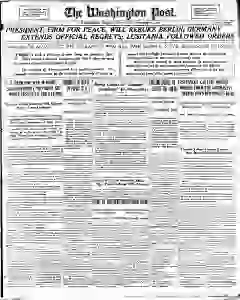
President Firm for Peace in U S Policy to Aid Humanity
Article outlines U S policy aimed at promoting humanity and peace, with Germany showing sympathy and the Lusitania captain testifying. Reports on inability to escort British liners and implications for naval strategy.
MENTIONED IN THIS ARTICLE
U. S
Germany
Lusitania
Riggs
Thames
Roosevelt
Philadelphia
Vanderbilt
U. 3. Securities Best
Washington
Alexandria
Lusitania Captain Obeyed Orders as British Disaster Unfolded
The captain testified that he followed Admiralty orders and wireless warnings about submarines. Queenstown prepared to bury its dead as coroner inquiries reference British officials. A jury accuses Germany of wholescale murder while survivors describe torpedo strikes and the ship's final moments.
MENTIONED IN THIS ARTICLE
Lusitania
Admiralty
Queenstown
Germar Kaiser
Coroner's Jury Blames Kaiser and German Officials for Lusitania Deaths
The coroner's jury in Kinsdale Ireland on May 10 1915 finds the Lusitania victims died from prolonged immersion after the torpedoing miles southwest of Old Head of Kinsale on May 7. It accuses Germany of wholesale murder and holds its officers the car emperor and government responsible, with condolences to relatives Cunard United States citizens.
MENTIONED IN THIS ARTICLE
State Department
Bryan
Kaiser
Bernstorff
United States
Germany
Men
Lusitania
Old Head of Kinsale
Cunard Company
Kinsale
Ireland
Horgan
Lusittania
Inquest verdict blames Kaiser for Lusitania deaths
At Kinsale Ireland coroner Horgan and a jury found the German Kaiser and government responsible for wholesale murder in the Lusitania sinking. They faulted two torpedoes and praised Irish and British steadiness amid disaster. Captain Turner denied armed ship threats as the inquest returns the only possible guilty verdict. CONTINUED ON TENTH PAGE.
MENTIONED IN THIS ARTICLE
Germany
Livermore
Also Mentioned on This Page
Peace
Trip
Humanity
Gerard
Speaker Cox
Boston
Channing H. Cox
House of Representatives
Fort Sumter
Dardanelles
Wilmington
N. C
Alfred G. Vanderbilt
Kinsdale
Carperor
Turner
Queqnatown
Cunard Line
Cunard ‘Company
Arthur Courtland Luck
Worcester
Mars
Yester

 This is just the beginning! Our collection holds over 300 years of history, including rare newspapers, obituaries, marriage records, birth records, and so much more—most of which you won’t find anywhere else!