Cultivation of Corn Shallow Culture Versus Deep Culture
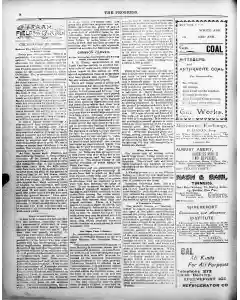
A reader compares shallow and deep corn culture arguing shallow methods yield more in average seasons, resist drought, reduce weed pressure, and improve moisture retention. Cites examples from Missouri Ohio and southern practices, noting labor ease and soil surface benefits.
MENTIONED IN THIS ARTICLE
Columbia
Macon
Ohio
Grain versus Pasture in cattle fattening debate
The American Cultivator notes pasture is not dead but best with grain. Pasture alone yields little beef. supplementing with corn keeps fattening costs down. Kentucky bine grass, or bluegrass, praised as rich but identical to our northern bluegrass.
MENTIONED IN THIS ARTICLE
Kentucky
Corn stalks prove valuable feed for cattle fattening
The text notes that corn, with its grain and especially the cornstalks, provides superior nutritive value. It credits western farmers for recognizing the corn crop as more nutritious than smaller grains and highlights cornstalks as a significant feed source contributing to corn’s dominance over pasture for fattening cattle.
Crimson clover urged for NC farms as soil booster
Agriculturist F. E. Emery reports crimson clover trials started in 1889 at the North Carolina Station. Farmers praise grazing and hay value, seed crops, and soil improvement. Advice favors early sowing with July or August seedings and notes potential for intercropping with corn or cotton while reseeding after dry spells.
MENTIONED IN THIS ARTICLE
North Carolina
F. E. Emery
Biltmore
Jersey
The Sugar Cane Industry in Louisiana Growth
The Louisiana Planter lauds cane farming as a growing success. It notes extensive preparations for cane growing and predicts the Louisiana cane crop may double in five years, with much of the rise coming from small-acreage cane farmers. It cites Professor Hilgard on raw sugar production.
MENTIONED IN THIS ARTICLE
Hilgard
Louisiana
Bermuda Grass Promises Permanent Pasture for Farms
A Louisiana Farmer urges farmers to plant bermuda grass as a perennial pasture that endures heat and cold. He notes it will feed more stock per acre than any known grass and lasts through spring, summer, and fall. Pair with cowpeas for winter hay and oats for winter grazing.
MENTIONED IN THIS ARTICLE
Bermuda
Louisiana
What Others Say On Winter Forage For Cotton Lands
Southern agricultural authorities urge winter forage planting to aid cotton lands. Winter turf oats and dairy vetch at Mississippi Agricultural College show admiral results. Florida growers note camphor seed should be planted directly from the tree for berry production. Southern Cultivator touts rye as profitable from the mountains to Piedmont foothills and valuable for covering land in winter and turning under in spring to add humus.
MENTIONED IN THIS ARTICLE
Mississippi Agricultural College
Florida
Piedmont
A Fineapple Disease and Sanding Prevention
The text explains sanding in plants caused by blowing sand at the apex, hindering growth. In Florida, applying cottonseed meal at planting helps trap sand and later fertilizes as it washes off. If sanding occurs, remove sand or wash into the plant’s heart with a stream of water. other protections include windbreaks and careful replanting.
MENTIONED IN THIS ARTICLE
Florida
Also Mentioned on This Page
Yrama
Ouisiana
Department of Internal Revenue
Pittsburg
Yorks
Mechanics’ Exchange
Linman
Faust
August Aberi
Siro Texas Street
Nash &Bain
TIN
Texas
Shreveport
Institute
J. V. Carlin
Smreveport Ice

 This is just the beginning! Our collection holds over 300 years of history, including rare newspapers, obituaries, marriage records, birth records, and so much more—most of which you won’t find anywhere else!