How to judge preferred stock investments and protections
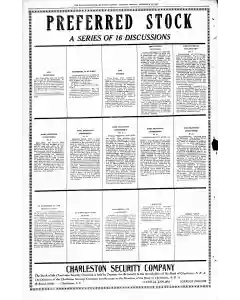
The article explains after tax yields on 8 percent preferred stock, stressing that true preference depends on sinking funds, reserves, and profits allocation. It warns investors about poorly drafted issues and the value of investment bankers following standard principles. It covers cumulative dividends, asset priority, and no mortgage clauses designed to shield preferred holders.
Callability and sinking fund features in preferred stock
Describes call options at 110 per share on dividend dates, with premium ranges, and sinking fund provisions. Explains how calls, tender purchases, and fund investments protect investors and support price stability and market liquidity for preferred stock issues. The text notes premiums, call procedures, and the role of the sinking fund in gradual liquidation.
Investment in Community Success Message
The piece urges public investors to back prosperous local leaders by purchasing senior securities and joining a consortium. It argues such support aligns citizens with aggressive, successful men, boosts their material efforts, and signals belief in ongoing community leadership and progress.
Leaders of Finance: Trust in Elite Business Heads
The article says only outstanding community men become heads of ventures with prestige and safe investment bankers inviting clients to join as partners. It notes contemporaries of the leaders praise their character, intelligence, and efficiency, with childhood peers strongest witnesses to their fitness.
One for all and all for one in community business
A community backing principal industries sustains growth and invites citizen participation. Public confidence and visible managerial diligence ensure securities offerings succeed, while efficiency and reputations of managers influence the outcome and investor trust.
Special Reserve Fund Protects Preferred Stock Investors
The special reserve for linking funds acts as a surplus to safeguard the preferred stock, used when earnings and undivided profits fall short of sinking fund needs. If tapped, common dividends may be cut until restored, signaling a company’s pledge to investor protection and reinvestment in the institution rather than dividend distribution.
MENTIONED IN THIS ARTICLE
ING Fund
Net Quick Assets Rule For Preferred Stock Maintenance
The rule sets a target net quick assets percentage to protect preferred stockholders. The minimum and maximum are 100 percent, with 18 percent deemed very good. Net quick assets reflect cash available if operations halted and debts paid, including real estate investments and fixed assets. Penalties include suspending dividends on common stock until the minimum is restored.
Management and annual audit practices described
The text discusses the role of bankers in company governance noting officers and board structure, with bankers named as potential advisers while not expected to actively manage during prosperity. It also states annual audits by an independent public accountant, to be approved by bankers, a provision often unnecessary but included to ensure audit if not voluntarily provided.
Liberal Yield on Preferred Stock in Business Expansion
The text argues that a liberal tax free yield offered to a preferred stockholder helps a business expand. It notes the preferred stockholder is a partner, not a creditor, and his entry provides new capital and access to greater credit for temporary periods due to larger capital.
Also Mentioned on This Page
ICICI
Ofte
Munity Success
Charleston Security Company
Bank of Charleston
Broad Street
Charleston
S. C

 This is just the beginning! Our collection holds over 300 years of history, including rare newspapers, obituaries, marriage records, birth records, and so much more—most of which you won’t find anywhere else!