Poverty and Pity in a Hard Season Poem
A poem argues that poverty justifies compassionate aid even when need may be exaggerated. It questions the giver's judgment and urges belief in the homely plea that all given will be restored by God, asserting the poor deserve help and the rich should respond. It contemplates theft, sickness, and vice as factors shaping need while emphasizing empathetic duty and charity.
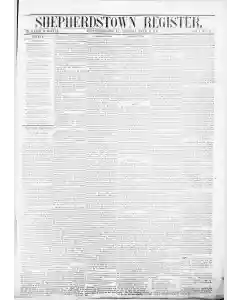
Benevolence and romance cross paths in a widow test
A tale recalls David Wentworth, a generous friend whose kindness aids a poor widow’s family. A wealthy fiancée tests lovers with letters from the distressed, prompting hard choices, secret gifts, and a surprising confession that seals their bond. Also recounted are Cape Horn voyage woes, the deaf Countess Mary, and hints of true friendship.
MENTIONED IN THIS ARTICLE
David Wentworth
David
Wimporte
Iit
Awant
Gozeie
Mic
Mose
Spring and its Duties Inspire Gardenful Efforts
A Southern Presbyterian essay urges embracing spring to cultivate nature and teach industry and care. It extols horticultural practice, garden culture, and education through beauty, urging neighbors to share plants, prune, water, and improve wastelands into Eden while cautioning against sloth and neglect.
MENTIONED IN THIS ARTICLE
William
Imatron
The Truth of Trust and Honest Conscience
A reflection on deceit and Falsehood that corrode trust in trade, life, and love. The piece argues confidence cannot be restored after concealment and urges openness, confession, and vigilance against guile to avoid crushing exposure and lasting harm. It emphasizes honest motives and steadfast accountability.
Guarding youth from indecent language in childhood training
A moral admonition urges strict avoidance of profane words to prevent lifelong harm. It warns that once learned in youth such expressions can involuntarily return when ill or delirious, causing mortification to the speaker and distress to friends, and urges self discipline to preserve dignity.
Silent Influences on Life and Character
A reflection on how unseen effects of words and conduct shape others across time. A parent’s remark may steer a child’s destiny, while public figures unintentionally imprint society. The piece notes the silent, powerful reach of example, gentleness, and integrity beyond memory.
Franklin Fable and Whig Echoes in 18th Century Banter
Lord Spencer and Dr Franklin exchange whimsical fable while discussing education by fables and Bonaparte era analogies. The tale features an eagle and a clever cat as Franklin mocks Asop, to illustrate caution about colonial power. Other items cite Rev Beecher’s sermon against spitting in churches and reflections on home, sorrow, and virtue.
MENTIONED IN THIS ARTICLE
Lord Spencer
Doctor Franklin
England
Lord North
Esop
Phedrus
Fontaine
Gay
Franklin
Sam
Spencer
Cat
Mr. Cat
Dr. Franklin
Britain
America
Whig
Lloming
Mr. Beecher
Orange Street
Brooklyn
James the First
Servnice
N. JV. Herald
Also Mentioned on This Page
Bock
Miss II
Doustine
Cape Horn
California
Paleahuana
Delaware
Merrimac
Long Pond
Mary
Orknew
Murrough
Marquis of
Thomond
Rastellan
Cork
Toreh
Lanthern
Cat and Tag
Martineau
Siberia
Seiad

 This is just the beginning! Our collection holds over 300 years of history, including rare newspapers, obituaries, marriage records, birth records, and so much more—most of which you won’t find anywhere else!