The Porcupine Nation and Preparedness Debate
The piece argues for national defense modeled on a porcupine’s defense, praising nonaggression yet readiness. It portrays a 200,000 strong standing army and a robust navy as deterrents, framing readiness as prudent without advocating aggression. It contrasts this stance with calls for militarism and pacifist appeasement.
MENTIONED IN THIS ARTICLE
United States
Nymph in Woods Near Sparta Sparks Imitation
A tale from Sparta and La Crosse Wisconsin recounts a woods nymph seen near Lake Moabet opposite Chicago. The incident drew imitators and wide newspaper attention with a humorous but cautionary note on overzealous copying by locals and a Chicago mayoral figure.
MENTIONED IN THIS ARTICLE
Tom Sterr
Sparta
Lacrosse
Wisconsin
Avon
Lake Moabet
Chicago
Arge Daily Papers of
Photographer Tricked By Nymph Chorus In Courtroom Ad Scheme
A photographer climbed a tree to snap water nymphs who posed in bathing suits. They revealed a hoax to place their photos in the paper, admitting the stunt and promising prints, warning that the next imitator will be pursued by the police. The tale ends noting the nymph business is dead.
MENTIONED IN THIS ARTICLE
Hel
Sparta
Names in Namesake Rhetoric Across World War Era
A critic recounts shifting language and national labels during wartime. The piece notes German and French dish names and personages, including changes like Berlin venues and Parisian bread, and mocks a London writer who insists on renaming German measles. It satirizes national snobbery and the urge to sever linguistic ties with enemies.
MENTIONED IN THIS ARTICLE
Germany
France
England
Éme
Berlin
Prince of Wales
Kaiserhof
St. Petersburg
Petrograd
Gerard
United States
London
Africa
Vienna
Paris
Evening Publication Change by Columbus Enquirer Sun
The Columbus Enquirer-Sun in Georgia, founded in 1928, shifts from a morning to an evening schedule to reach more readers and better serve advertisers. Editor Ralph R. Buvinger notes the move reflects a nationwide trend and aims to maximize audience and revenue.
MENTIONED IN THIS ARTICLE
South
Columbus Enquirer-Sun
Columbus
Georgia
Ralph KR. Buvinger
Hau
Evening papers gain power and advertising while morning papers decline
A historical observation argues the evening paper reaches more readers, holds greater influence, and attracts more ads. It notes most news arrives in daylight, war coverage favors afternoons, and mornings often reprint evening content. The trend, it claims, shows mornings losing ground nationally.
Neutrality's limit in wartime America
A historical editorial argues Americans cannot be neutral when the United States faces a foreign power. It cites an incident in New York where a man attacked a U S flag amid pro Germany sentiment, urging Loyal American allegiance and warning that choosing sides is inevitable if the nation is involved.
MENTIONED IN THIS ARTICLE
Germany
United States
Amin
Alexander Kaufman
Park Row
New York
Bulleting
Kaufman
Joshua
Ready money backs crop needs despite war worries
The comptroller notes the US can finance the cotton crop and large parts of tobacco and wheat, with banks and reserve banks able to fund at market value. Despite talk of contraband cotton and restricted foreign markets, ample domestic credit remains to support farmers. the summary cites the ration embargo as producing less threat than feared.
MENTIONED IN THIS ARTICLE
United States
Comptroller
Tle
Peaches Sell Cheap at London Market in Teas of Fruit Trade
An excerpt notes peach pricing in London wholesale markets, contrasting low local costs with high perceived values abroad. It cites a Telegraph article claiming Mamid samples fetch two shillings threepence per dozen, while best fruit could reach twelve shillings per dozen, sparking remarks on affordability versus quality.
Fragmentary Note on Open Courses and Anger at Policy
A mangled fragment from the Counjer Journal mentions courses open and two authorities meeting not. it references Mexico and a president, with disjointed politics and claims that nothing can be hoped from the situation. It notes a daily hour and a person named Prost and a protest tone about policy and reasons.
MENTIONED IN THIS ARTICLE
Mexico
ABC Widons
Americdy
Reiny
Prost Font
Mara Aivallive
Routuville
Coutler-Journal
Overheard by a Bus Mystery in a Child’s Hopeful Morning
A fragment from a 19th century newspaper depicts a child and a sister on a bus heading toward a grandfather’s home amid wartime upheaval. The boy Mannie asks where his father is, while Manny longs for his father’s return as the sisters and nurse shield him from the grim uncertainty surrounding the war. The scene blends domestic tenderness with the strain of absence as the family clings to small comforts.
MENTIONED IN THIS ARTICLE
Catherine Suseel
Prichard
Manele
Mannie
Monl jeMidren
Mangia
Rimeel
Moornie
Aly Macher
Manule
Amner
Fork View Square
Guthrie
Emall
Tinu
Thal
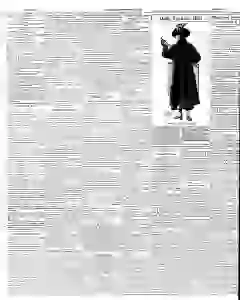
Wavy top coat for daily fashion hints
Read about a practical gray wool long coat with wide sleeves and back shaping. It features a roll collar, two large buttons, a velvet trim, and a lined body. offered in varied colors to brighten plain outfits and provide full coverage and comfort.
Ballot News and Ship Events Move Adults to Focus
Newspapers report on adult reactions to the Ballot news and ship-related developments. The coverage ties voting outcomes to maritime topics, highlighting public interest and policy implications affecting governance and commerce.
Vilna Described as Vital War Objective and Emptied Trade Center
The National Geographic Society outlines Vilna as a key target in the Teutonic push, noting its 170,000 population, strategic location at the crossroads of rail lines from Warsaw to Petrograd and Libau to Rostov, and its role as a major textile, grain, amber, and leather goods hub. The piece emphasizes Vilna’s inland maze of marshes and waterways, its frontier distance from Germany, and its historic medieval town layout with narrow streets and waterfront prosperity.
MENTIONED IN THIS ARTICLE
Vilna
Bussia
Bug
Brent-Tatovole
Vitna
Warsaw
National Geographic Society
Vilna Ie
Tangiew
Yorem
Waresew
Petrograd
Ltbak
Boltla Wort
Rostof
Don
Grodno
Dyinsk
Warsaw-Prtrograd
Vina
Koyno
Weverds
Binck
Baltic
Germany
Holanda
England
Earh
Panuaokma
Amd
Ahloh
Wars and upheaval shape Vilna's long history
The text recalls wars plagues and destruction that nearly ruined the city. It notes Vilna’s 18th century capture by Russia, 1831 uprisings aided by Polish residents, and harsh Tsarist penalties. It mentions a native Russian element, with Jews comprising over 60 percent of the population and Lithuanians and Poles making up most of the rest.
MENTIONED IN THIS ARTICLE
Tutblexty
Jexiotio
Canvarisn
Capilani
Havoo
Russia
Poland
Americans First At San Francisco German American Meet
The San Francisco German American convention urges an embargo on passengers to ships with ammunition and defends arms trade with allies. It defends German Americans against anti German bias and emphasizes loyal American sentiment among Teutonic descendants despite hostile rhetoric.
MENTIONED IN THIS ARTICLE
Xundaw City Journal
Athance
San Francisco
Wilson
Austria-Hungary
United States
Americas
Domagegin
Yay Nye Dinie
Uw Wethorland
Sleepy Time Tales For The Little Folk
A young fawn leaves a safe home and is lured by tempting food in the woods. Chased by dogs and men, she struggles to survive and longs for her mother. She eventually learns to stay near home after a tense escape and a final reminder that the world outside can be dangerous.
MENTIONED IN THIS ARTICLE
Thor
Rick
BUILD WAREHOUSES FOR COTTON MARKET STABILITY
A Texan column argues warehousing cotton is essential to prevent price falls and market flood. It links federal reserve loan access to warehouse stored cotton, enabling farmers to borrow against held bales and sell gradually. Tenison urges balanced sales to avoid sudden drops.
MENTIONED IN THIS ARTICLE
Detlaw Tamer-Herald
Catto
Federal Reserve
Sutton
Federal Reserve Bank
Tenison
Federal Reservegent
The Summer of 1010 Speculations on 1816 Climate
Readers debate a theory linking wartime bombardments to abnormal summers. The piece cites 1816 frost and snow in Ohio and Pennsylvania, with June snowstorms and August flurries, arguing that large explosive use could keep next summer unusually cool.
MENTIONED IN THIS ARTICLE
Ohd Sidte
Barogean
New Bigland
Ohio
Pennsylvania
Fouth
Also Mentioned on This Page
J.oman J. Gage
League of the White Feather
The
Light
Mohxatr
Feam
Balluat

 This is just the beginning! Our collection holds over 300 years of history, including rare newspapers, obituaries, marriage records, birth records, and so much more—most of which you won’t find anywhere else!