Shutting Him Off. Money For Her. Fortune Teller Dialogue
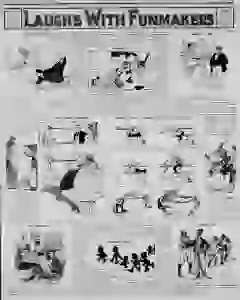
A short dramatic exchange features Mr Gull and a fortune teller discussing money. Mr Gull asks about wealth and the teller confirms that money is coming, requesting one dollar as payment.
MENTIONED IN THIS ARTICLE
Gull
Dyspepsia Cure: Laugh Before and After Meals
A doctor tells Mrs. Binks that her dyspepsia can be treated by laughing heartily before and after meals, but she finds the remedy impossible as she personally handles the dishes and admits the problem.
Goose tale teaches a lesson on self worth
A teacher tells of a goose that wished to be a swan and was mocked. The class laughs, then the moral arrives from the students: a person should be content with being a goose. The scene captures a classroom moment about acceptance.
Reasons For Leaving A Job Were Too Heavy
A humorous exchange recalls why one left a previous position. The reply says the burden was too heavy to bring along, addressed to a mother figure. The remark frames the departure as impractical rather than personal fault.
Advantages of Promises
A dialogue on promise keeping contrasts debt with excuses for nonpayment. The Chinaman admits promising more than he can pay and suggests this may be used as an excuse to avoid payment, highlighting the tension between intent and ability.
Sketchy Auction for Portrait Ends in Odd Banter
A terse dialogue unfolds with a salesman proposing an enlarged photo and a stout man resisting, then quipping about making the image three sizes smaller. The exchange plays as a humorous vignette on portrait requests.
Uncertain poetreflections on grammar and heritage
A man with a stubby mustache muses on how parental reverence for grammar steered him away from poetry. He notes that without such upbringing he might have become a poet, though he finds value in the grammar lesson learned.
MENTIONED IN THIS ARTICLE
Ation
Unclear dialogue on love and war frontier remark
A speaker asserts a fatalistic view that failure in love spares one from the horrors of war, while another in the exchange questions what qualifies as a fact and discusses consequences of love and conflict.
Burglary Trial Revered as Night Watchman Relates Snuff Line
A burglar declares innocence after being challenged by a night watchman at a tobacco shop. He claims no law forbids taking a little snuff, prompting a local humorous but unsettled exchange.
Typewritten Poetry Echoes in The Sanctum
In a quiet scene a weary man at his desk chooses typewritten poetry over spoken verse. A commuter jokes about a five minute train delay, calling it a relief from the long wait. The exchange blends dry humor with gymnastic urban mood and literary wit.
No Room For Disappointment In Matrimony
Quote dialogue about marriage and happiness from Stebbins. Discusses marrying ideas vs people and suggests compatible partners yield happier marriages.
Snobson Claims Strained Relation With Neighbor
Snobson says he never speaks to his next door neighbor though they are often in close proximity and have met in passing. The neighbor counters that he never gets the chance, as he is continually by Snobson’s side in their shared street.
Sponger's Drinking Stopping Habit Noted
A local wit notes that Sponger claims enough sense to know when to stop drinking, but the joke lies in his timing just before his treat. The remark reflects persistent social chatter about temperance and self control in the community.
MENTIONED IN THIS ARTICLE
Sponger
Bargain Counter Crush Sparks Gentle Household Quarrel
Mr. Ferguson scolds himself for losing a pocketbook at a bargain counter while Mrs. Ferguson retorts that a man should be wiser in such crowded moments. The exchange highlights a light domestic clash over a minor shopping mishap.
MENTIONED IN THIS ARTICLE
Mr. Ferguson
Mrs. Ferguson
Distressing Sniffing Habit Hinders Proposal
A terse exchange centers on Mabel Sweet and her sniffing habit as a man recalls proposing last night and the woman sniffed repeatedly, prompting doubt about the engagement. The dialogue highlights social awkwardness and doubts about suitability.
MENTIONED IN THIS ARTICLE
Mabel Sweet
Making It All Right Prima Donna Exchange
A dialogue excerpt shows a dispute over a song performance with one character accusing the other of nerves and poor learning while the other insists the piece be announced as by request on the programme.
Fragmentary Exchange Reflects Shifts in Folk Sayings
A melancholy youth notes life grows bitter while an amiable friend agrees. He adds that the old saying You bet your sweet life is no longer spoken as it was in his boyhood, illustrating changes in everyday speech.
Dream of Burglary Turns Into Romantic Promise
Dora asks Jack what he would do if a burglar threatened to shoot him unless she was kissed. Jack calmly replies he would kiss her without hesitation, turning a tense moment into a tender vow.
MENTIONED IN THIS ARTICLE
Jack
Dora
Two Attractions. A Banter Between Friends Over Wives
A dialogue scene features a congratulatory line to a young man from an old friend, noting his wife as handsome but not talkative. The exchange ends with a playful insistence on more congratulations. Both speakers appear as male confidants addressing domestic matters.
Doctor Cites Dressmaker’s Fault in Wife’s Fit
A doctor explains that his wife struggles with a “bad fit” he cannot fix. The punchline attributes the problem to her dressmaker, implying a humorous or ironic misalignment between clothing and comfort.
Evidence to the Contrary Exchange at Bus Stop
Dialogue captures a humorous exchange where a citizen complains about an umbrella poke while a Madam insists the gesture was to gain attention and express thanks for a seat. The quarrel touches on manners and gender expectations in public transport.
Reckless Spendthrift Prompts Penny Forfeit Tale
A humorous exchange shows Willie receiving his father’s penny and vowing to spend the entire sum. The vignette captures a child’s eager yet imprudent stance on wealth in a domestic moment.
Street Car Errands Slow the Errand Run
Office Boy notes that taking a street car for errands is slower than walking. Sallus walks the street car route and spends time sitting down to eat his purchases with the dime he has.
MENTIONED IN THIS ARTICLE
Sallus
Consolatory Thought Exchanges in a Household Moment
A mother scolds Bridget for breaking a scarce item, while Bridget responds with defiance and relief that the piece was not valuable. The dialogue captures family tension and a wary, uneasy dynamic within the home.
Nonsense About Miss Sweet’s Disposition
Dialogue pits accusation of Miss Sweet’s disposition against mock defense. A sharp exchange questions whether constant smiles reveal character or only good teeth and dimples, tone satirical about social judgments.
MENTIONED IN THIS ARTICLE
Sweet
Not a Hopeless Case Proposal Sparks Surprise
A playful exchange centers on a marriage proposal, with she questioning and he praising the surprise as the catalyst for a hopeful union. The dialogue highlights wit about the unexpected nature of commitment and its positive effect.
Failed to Convince Willie Chickens Wake Early
A dialogue jokily contrasts Willie with chickens. Willie asserts he could wake early if he stood up all night, prompting a humorous exchange about morning routines.
MENTIONED IN THIS ARTICLE
Willie
True Diplomacy in How to Win Popularity
Conversation shows a diplomat stressing listening over lecturing. The diplomat explains that making others feel knowledgeable gains trust and popularity among people.
Man Sentenced to Hard Labor After Pie Remark
A grim exchange centers on a defendant given hard labor for a crime as a kind woman offers pie to a hungry man. The dialogue underscores harsh penalties and the precarious state of the poor, with the pie scene illustrating moral contrasts in a rural setting.
Dressmaker Della Mode Gets Rave For Transformations
A shopper extols Della Mode for her dressmaking skill saying she can make even plain people look nice and asks to try her services. The conversation highlights confidence in Della Mode’s ability to flatter clients.
MENTIONED IN THIS ARTICLE
Della Mode
Pa Pa Says Music Is a Four Flush Art
A humorous quip on whether music is science or art. The child answers “It’s a four flush,” implying a mixed view with a playful reference to card terms. The line reflects dialogue style and cultural contrast.
Discreet Fine Discussed by Darkeytown Captain and Umpire
A Darkeytown captain complains about a law fining a player one hundred dollars for drawing a razor while the umpire explains the association has a fighting chance of getting the sixty. The exchange highlights financial penalties and racial tensions in the game.
MENTIONED IN THIS ARTICLE
Darkeytown
Association
Jefferson
Also Mentioned on This Page
Mr. Gull
Reginald
Weally
Doucher
Virginia
Guess
Sonny
Stebbins
Baby
Young Cheekleigh
Old Gotrox
Bridget
Serres
Faith
Just What
Needed
Brute

 This is just the beginning! Our collection holds over 300 years of history, including rare newspapers, obituaries, marriage records, birth records, and so much more—most of which you won’t find anywhere else!