Timekeeping Through Ages From Sun to Pendulum
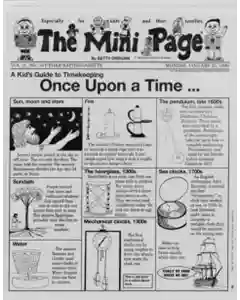
Ancient peoples tracked days and months by celestial bodies. The Babylonians divided the day into 24 hours while Egyptians popularized sundials. In the late 1600s pendulums enhanced clocks, with Christian Huygens developing the first accurate pendulum clocks and Galileo describing their equal swing timing in 1637.
MENTIONED IN THIS ARTICLE
Christian Huygens
Galileo
Water Clocks Used by Romans and Greeks to Measure Time
Ancient Romans and Greeks used water clocks to measure time with water dripping from one bowl to another. This simple device relied on steady flow to track hours and minutes.
Hourglass used from seas to kitchens as timers
An hourglass measures time with sand flowing evenly between bulbs. Historically carried by sailors at sea and later adopted for domestic use. Today many kitchens still rely on hourglasses as egg timers.
First Mechanical Clocks Powered by Weights in 1300s
The earliest mechanical clocks dated to the 1300s used hanging weights to drive gear trains that controlled the movement of hands and timekeeping. The design marked a shift from sundials and water clocks to portable precision timepieces.
English clockmaker Harrison and the sea chronometer
English clockmaker John Harrison developed the marine chronometer in 1735 to determine longitude at sea. He spent eight years crafting a portable clock that kept accurate time on rolling seas, aiding precise navigation.
MENTIONED IN THIS ARTICLE
John Harrison
Harrison

 This is just the beginning! Our collection holds over 300 years of history, including rare newspapers, obituaries, marriage records, birth records, and so much more—most of which you won’t find anywhere else!