An Iowa barn which has proved practical
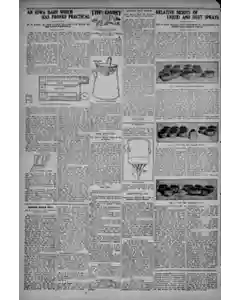
An Iowa farmer describes a cement dairy barn plan 56 by 60 feet designed for 20 cows with box stalls at ends and full extension potential. It features cement floors, rounded corners to reduce dust, a central feed alley, elevated carriers for cleaning, and nine windows per side plus ventilating shafts. The design emphasizes odor control, light, and ease of feeding from a mobile truck linked to the silo and feed room.
MENTIONED IN THIS ARTICLE
Orange Judd
Selecting Laying Hens by W R Graham
The article urges improving Ontario poultry by selecting breeding stock using trap nests to identify high producers. It notes Ontario hens average 80 eggs yearly, Maine flocks reached 134 with trap nests. cautions labor limits for average farmers and highlights indicators like fat, early maturity, crop size, and constitution for hens and cockerels. It also advises a strong, vigorous male line and promotes farm workshops with hands on blacksmithing and tool benches for youth.
MENTIONED IN THIS ARTICLE
Ontario
Maine
Where Shiftlessness Don't Pay in Sheep Raising
Farmers note that careless methods in sheep raising lead to no profit or pleasure and insist on disciplined labor. The article argues steady work yields healthier flocks and better returns.
To Avoid Waste Colts and breeding mares relish hay picked by sheep
The note states that colts and breeding mares eat hay that has been picked over by sheep, a method cited to prevent waste. It presents a practical farming tip without additional context or dates.
Covered milk pail keeps dirt out with new shape
A Montreal Herald report describes a milk pail design that resembles an inverted ordinary pail. A seven inch top opening, a two inch deep insert, and small one sixteenth inch holes allow milk to pass into a dust proof secondary pan. A tight cover and strainer cloth seal out barn dirt.
MENTIONED IN THIS ARTICLE
Montreal Herald
Ideal Barn Floor From an Ohio Farmer
An Ohio farmer describes an ideal cow stable floor using absorbents to stay dry. He endorses fresh horse manure behind cows each morning with road dust to hold ammonia and liquids, and stresses regular cleaning, bedding renewal, and a manure carrier.
MENTIONED IN THIS ARTICLE
Ohio
Dairy Points on Cream, Milk, and Cow Care
The article advises on dairy practices including tempering sour cream issues, using a dairy thermometer, starter buttermilk, and keeping cows in good condition year round. It emphasizes small farms with better per herd efficiency, careful feeding, and avoiding overdrying cows to maintain milk quality.
Calving Advice for Farmers in Cold Weather
Farmers are urged to closely monitor cows near calving and prepare for arrivals. Keep ears and tails warm, and provide a warm bedded box-stall in the barn to ensure a safe delivery.
Water supply warning amid cold weather risk
Guidance urges continued water provision to households before potential shutoffs in cold weather. Officials warn that stock and residents rely on steady supply and neglect could lead to hardship.
Breeding Dairy Cattle Requires Skillful Breeders
The article argues buyers should evaluate a breeder's knowledge and method as heavily as the cattle itself. It stresses thoughtful mating, proper use of multiple bulls, and adapting strategies to improve offspring vigor, comparing breeding to engineering two engines to create a superior third.
MENTIONED IN THIS ARTICLE
Hoard
Milking Stool Designed for Flexible Leg Configurations
An illustration accompanies a milking stool innovation that may use one two or three legs. The device is strapped around the milker’s waist for support and balance, reducing bulk and weight compared with traditional stools.
Separator Maintenance and Dairy Butter Yields
An Iowa farmer argues that clean separators boost butter yield and savings. He notes many dairymen waste 50 to 100 dollars of potential butter by neglecting to wash separators adequately, which could be offset by buying a separator.
MENTIONED IN THIS ARTICLE
Iowa
High Standard in Dairying
Farmers should raise dairy standards to boost profits. Many settle for ordinary cows and feed with average milk fat. Those achieving substantial gains set higher targets and work toward improved feed quality and yields.
Study Your Herd for Better Care and Feeding
Advice urges separating weak or old cows to ensure they receive full feed. It recommends giving them separate yards and extra attention to maintain herd health and productivity.
Relative Merits of Liquid and Dust Sprays in Orchards
Illinois experiments across three orchards in 1908 1904 and 1905 compare liquid Bordeaux arsenite spray with a dry dust mix. Liquid spray yields larger smooth fruit and better foliage retention, while dust spray causes early defoliation and smaller ill formed fruit.
MENTIONED IN THIS ARTICLE
Illinois Experiment Station
Illinois
Illinois Station
Paris
Paris Green
Bordeaux
New Dry Land Alfalfa Improve Dry Belt Farming
Secretary Wilson praised Prof. N. E. Hanson for returning from northern Asia with three alfalfa varieties. One variety tolerates dry soil and cold, another grows in dry conditions with light rain, and a third thrives in woods. Hanson will test seeds in South Dakota before distributing to arid belt farmers to complement wheat and support annual crops.
MENTIONED IN THIS ARTICLE
Wilson
N. E. Hanson
Asia
Hanson
Prof
South Dakota
Arid Belt
Dry Belt
Also Mentioned on This Page
H. E. Colby
STAL
Manser & Water
Feed Alley
Tan
W. R. Graham
The
Ontario Agricultural College
cCka
Illinois Agricultural Station

 This is just the beginning! Our collection holds over 300 years of history, including rare newspapers, obituaries, marriage records, birth records, and so much more—most of which you won’t find anywhere else!