Plan for Soil Erosion Prevention Expands Across Regions
United States Department of Agriculture officials report the nationwide erosion prevention program taking shape with regional stations from Atlantic to Pacific. Dr Henry Knight details field operations in Iowa and Washington, notes terracing interest, and cites cloudbursts in Utah as prompting attention to soil erosion. He also reports rising sugar beet yields from phosphatic fertilizers in Colorado Nebraska and the Dakotas and predicts higher next season crop acreage as displaced workers return to farming.
MENTIONED IN THIS ARTICLE
United States Department of Agriculture
WNU
Atlantic
Pacific
Tenry G. Koight
Ba Teau
Knieht
Washington
Bureau
Middle West
Northwest
Doctor Knight
Bethany
Pullman
Wash
Page County
Iowa
Dotter Knight
Utah
Cuterest
Salt Locke
North Dakota
Substituting Ground Wheat in Dairy Feed Approved
The Texas College Feed Conference at A and M College of Texas approved substitutions using ground wheat in dairy rations. Dairy feeds may replace certain ingredients with ground or rolled whole wheat and Minestone wheat within 20 percent of the mixture and rules on minimum percentages apply.
MENTIONED IN THIS ARTICLE
Texas’ College
Beard
A. and
M. College of Texas
Annuals and Biennials of Weeds Hard to Kill
An immense seed production by annuals and biennials pollutes soil for years. Perennial roots like thistles and dandelions renew after tops are destroyed. Weeds persist when farmers re-seed fields with crop seeds containing weed seeds instead of buying pure seed.
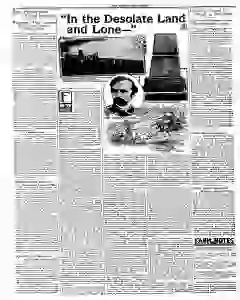
Desolate War Years After Little Big Horn Tragedy
A detailed retrospective recounts the 1876 Little Big Horn clash led by George Armstrong Custer. It covers the three column plan, government missteps, the Fetterman and St. Clair defeats, and the ensuing battles with Crazy Horse, Rosebud, and the doomed fate of Custer and his five companies.
MENTIONED IN THIS ARTICLE
Abraham Lincoln
George Armstrong Custer
Little Big Horn River
Montana
Custer
Sixth Cavalry
Terry and Gibbon
Teels
Republica
Old Northwest
St. Clair
Braddock
Florida
Henry B. Carrinngton
Garfigan
Sloak
W. J. Fetterman
Fort Phil Kearney
Fetterman
Red Cloud
Carrington
Cials
Little Big Horn
General Carrington
Phil Kearney
Congress
Wyoming
Gibbon
Crook
Nebraska
Terry
Fort Abraham Lincoln
North Dakota
Indian Department
Reno
Crock
Berteen
Benteen
Profitable Skim Milk Protein Use Promoted by USDA
The United States Department of Agriculture explains the dairy by products skimmilk contains about 900 million pounds of valuable protein yearly. It promotes cottage cheese made from skim milk, detailing a low-weldrnent type with creamy appearance and good keeping qualities. A circular titled The Manufacture of Low acid Bennet-type Cottage Cheese explains the method and is available free from the Bureau of Dairy Industry in Washington, D.C.
MENTIONED IN THIS ARTICLE
United States Department of Agricuture
WAU Service
Bureau of Dairy Industry
United States Department of Agriculture
O. B. Reed
Bureau
Department of Agriculture
Washington D.C
Cow Eye Clues Health When Buying Cattle
The article notes that eye color and condition reveal health. A full bright eye with normal fluids indicates good health while a watery eye may signal cold or chronic tuberculosis. Pink eye is highly contagious and can spread through the herd. a dull eye suggests anemia or temporary illness.
Spacing Guidelines for Currants Gooseberries and Apples
To ensure moisture access, plant currants and gooseberries away from fences with wide gaps. In dry areas set them in rows on both sides of paths with about 10 feet between plants and other crops if apples are grown nearby. Place rows 30 feet apart and consider mid row fruit plantings between apple rows. older fruit can be removed as trees grow.
Agricultural Notes on Beekeeping and Pasture Practices
A honey bee visits 56 000 clover blossoms for a pound of honey and suggests early control of poison ivy with calcium chlorate. Pasturing farm woodlots harms trees and stock, and damping off of seedlings is preventable with seed or soil treatments. County agents can advise. Fattening cattle with legume hay and beans or corn yields gains for months without extra feeds like cottonseed meal.
MENTIONED IN THIS ARTICLE
Orl
Also Mentioned on This Page
Elmo Scott Watson
Pas
Groves Hil
George A
Cos

 This is just the beginning! Our collection holds over 300 years of history, including rare newspapers, obituaries, marriage records, birth records, and so much more—most of which you won’t find anywhere else!