
 This is just the beginning! Our collection holds over 300 years of history, including rare newspapers, obituaries, marriage records, birth records, and so much more—most of which you won’t find anywhere else!
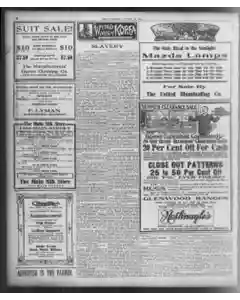
Slavery in Korea a harsh ancient bondage still debated
An 1913 analysis describes Korea's historic servitude system under Keeja and later rulers, detailing four pathways women could become slaves, from poverty and sale to voluntary bondage, dowry transfer, and punitive practices. It notes the freed status after Japanese annexation and recounts folklore about slave fortunes and misdeeds.
MENTIONED IN THIS ARTICLE
Korea
China
Kee-ja
South Korea
Koryan Lee
Hideyoeh
Cne
Purchaer
William Herschel
M. Bertillon
Tismay
Durance