Good Ration for Indian Runner Ducks
The article argues against expensive rations for Indian Runner ducks, urging economy and whole grains. It notes their digestion differs from Peking ducks and that overfeeding whole grain can slow egg production, advising breeders to prioritize cost effective feeds for large scale egg production.
MENTIONED IN THIS ARTICLE
P. E. Woodworth
Value of Silage for Milk Production
An article from the American Agriculturist discusses silage as a superior feed for dairy cows. It notes corn fodder's value but cites New Jersey studies showing silage yields more milk per acre, with cost comparisons between silage and dry fodder. It highlights the Holstein breed as top in milk and butter fat production, claiming she can produce butter cheaper per pound.
MENTIONED IN THIS ARTICLE
New Jersey
Indian Runner Duck Varieties and Egg Color Variations
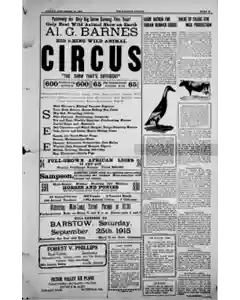
The Indian Runner duck is called the Leghorn of ducks for its high egg production. Eggs vary in color from white to green. Three varieties exist the ciled the fawn and white and the white runners. Runners often differ in white distribution and may breed lighter in shade. The pictured duck is a good specimen of the breed.
Indian Runner ducks boost egg output and thrift
The article urges keeping Indian Runner ducks to maximize egg production and cut costs. It notes mangel beets and unsalable vegetables as feed, mash with bran or meat scraps, and that these ducks lay more eggs than the best hens, making them a valuable addition to any poultry stock.
Profitable Flock Management Says Every Bird Must Pay
The article argues that all birds should contribute to profits, culling nonperformers. It urges farmers to assess each hen’s laying, discarding those not meeting egg output to prevent cross-subsidizing poor layers with good ones.
Poultry Yard Tips for Laying Season and Health
The article discusses lighting a duck shed floor, notes the laying season for heavy duck breeds ends in August, and mentions March hatched pullets should be laying now. It recommends wheat to speed laying and stresses careful hen care to survive molt with health, ensuring later egg supply.
Value of corn silage shown by milk yield experiment
Daily grain rations of wheat bran dry brewers grains cornmeal and linseed meal fed to two cow groups. The corn silage group received 24 pounds daily extra with 23.7 pounds milk per cow versus 21 pounds for the corn fodder group with 14.3 pounds extra. Milk increase of about 13 percent proves corn silage valuable.
Understanding Butter Overrun and Fat Content
The article explains butter overrun as the difference between fat delivered and fat in butter, due to added water and solids. It notes 18 percent overrun with whole milk and 20 percent with cream, with about 83 pounds of fat in 100 pounds of butter and 17 pounds of overrun.
MENTIONED IN THIS ARTICLE
Hoard
Supplementing Pasture With Forage and Grains
Hoard's Dairyman notes cows on good pasture consume substantial hay and prefer some dry forage with succulent feed. Ground corn or barley prove better pasture supplements than cottonseed meal, which is protein rich but carbohydrate poor. Green sugar cane with oats helps, but hay remains advisable.
Calf feeding mixtures and bird vision insights
Calves may receive equal parts corn and oats or bran as a substitute. Young calves can thrive on whole grains, but after four to five months grinding is preferred. Separate note highlights hawk and other birds with extraordinary distance vision, able to spot prey from far beyond human range.
MENTIONED IN THIS ARTICLE
Earth
Also Mentioned on This Page
Al.g. Barnes
Miss Harvey
Tom, Dick
Harry
Big Bill
Tot
Tiny
Bob Chocolate
Black Knight
Tom, Jerry and
Louie
Romeo
Bengal Tigers
Maj. Thornton
Challenge Groupe
LIONS
Sampson
Calliopes
Barstow
Forest
Phillips
Lucerne Valley Auto Stage
Isterville
California
Victor Valley
A. M. Short
Victorville, Cal
Dairy Wisdom
Anon

 This is just the beginning! Our collection holds over 300 years of history, including rare newspapers, obituaries, marriage records, birth records, and so much more—most of which you won’t find anywhere else!