

Washington-DC Newspaper Archives (1800–1953)
61 Publications • 1,636,616 Pages
1800–1953
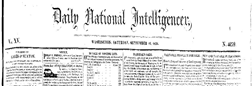
Washington D.C.'s archive on NewspaperArchive is anchored by the Washington National Intelligencer, founded in 1800 as one of the most influential newspapers in the country's early history and the closest thing the new republic had to an official record of government proceedings. The 61 titles and 1,636,616 pages run through 1953, covering presidential administrations, congressional debates, and the Civil War years when Washington was both Union capital and occupied city. The archive is a primary source for anyone researching the federal government before the mid-20th century. Search is free; full page access requires a subscription.
Search United States Newspapers
Top Newspaper Archive Publications in Washington-DC


Narrow Newspaper Archive Records By Region
Discover Washington, D.C. Through Historical Newspapers
Explore the nation’s capital through the pages of Washington, D.C.’s historical newspapers. These publications captured the headlines, debates, culture, and daily life at the heart of American government. Spanning from the early 1800s through the mid-20th century, this collection offers a front-row view of political change, national milestones, and local stories that defined life in the District. Washington, D.C. newspapers provide a unique record of the people, places, and events that shaped both the city and the country.
Unique Finds: What You Can Discover
Washington, D.C. newspaper archives offer a front-row seat to both national events and local life. Mixed among reports of presidential inaugurations and policy debates, you’ll find glimpses of everyday experiences, such as vintage ads for shops along U Street or society pages featuring elegant receptions in Georgetown. Old obituaries often provide touching details about educators, civil servants, and community leaders. Crime stories reveal surprising chapters in the city’s history, while sports sections document neighborhood rivalries and early professional teams. Searches like “old obituaries from Washington, D.C.” or “vintage newspaper ads in Washington, D.C.” can lead to unexpected discoveries that bring the past to life in personal and meaningful ways.
How to Use Washington, D.C. Newspapers in Your Family History Research
Washington, D.C. newspapers can help you learn more about your family’s everyday life. Here are some easy ways to use them:
- Look for mentions of your family in local government news
- Find stories about events in your family’s neighborhood
- Check for school and church news about your relatives
- Search for military or veteran information if your family served
- See if your family’s name appears in business ads or local shops
- Read about community events and local news to understand what life was like when your family lived there
These simple steps can help you discover more about your family’s life in the city.
Washington, D.C. Family Stories Found in Historical Newspapers
Marriage Announcement Clipping
This detailed wedding announcement provides not only the names of the bride and groom but also valuable family connections, including parents and attendants. It offers insight into social status and family networks, making it a rich resource for tracing relationships and understanding social customs. When you find similar announcements, pay attention to locations and participants to expand your family story.
Social Activity Notes Clipping
This social column highlights the comings and goings of residents, including travel, visits, and social events, which can reveal community ties and personal connections. For researchers, these notes help fill in everyday life details—who lived nearby, where they traveled, and how they interacted socially, providing context beyond official records.